What is a Mexican Fireleg Tarantula?
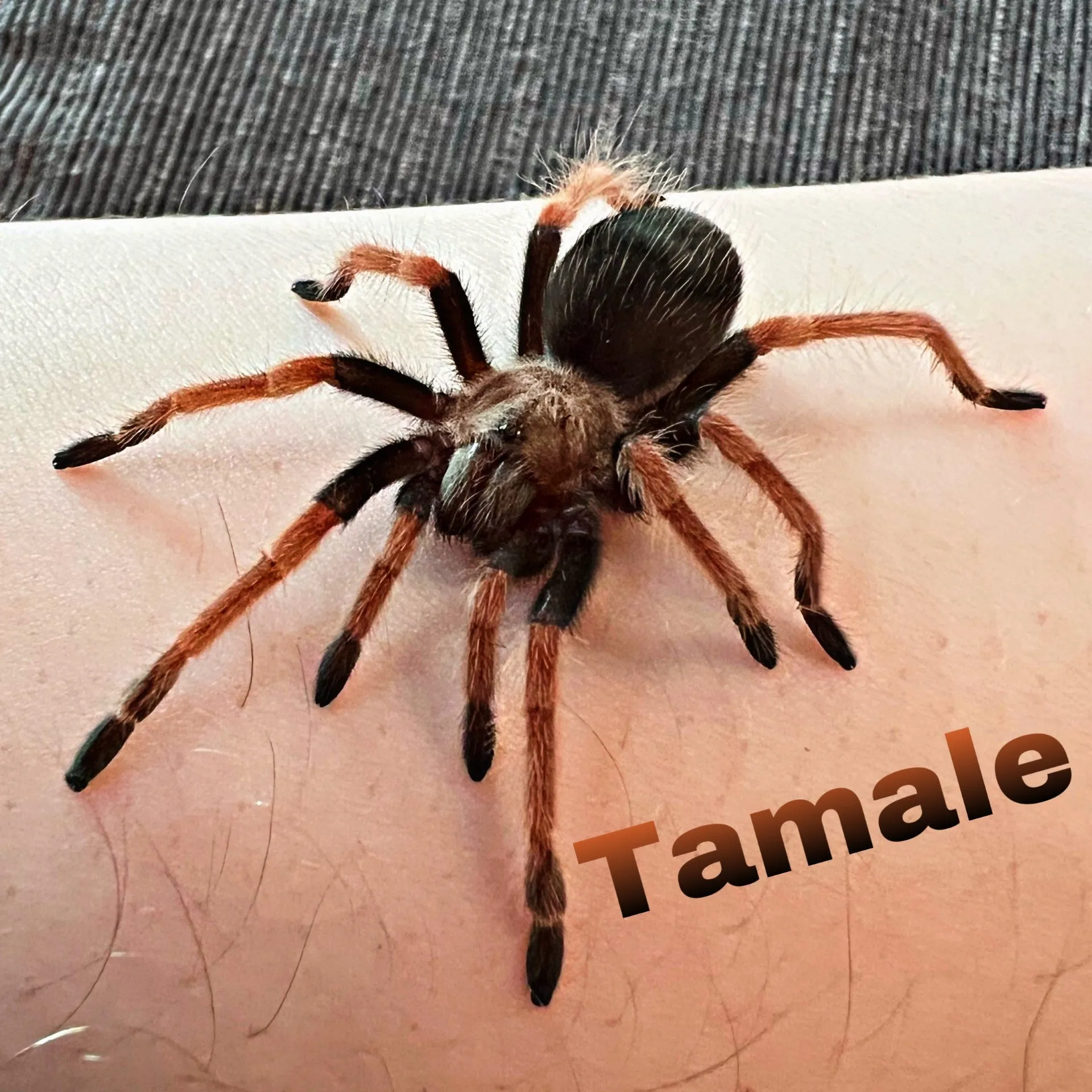
The Mexican Fireleg Tarantula ( Brachypelma boehmei ) is a striking and popular tarantula species, prized by arachnid enthusiasts for its vibrant coloration and relatively docile temperament. Native to the Pacific coast of Mexico, these spiders have gained popularity as pets due to their manageable size and captivating appearance. These spiders are a terrestrial species, meaning they spend the majority of their time on the ground or within burrows. They are known for their beautiful appearance, and are relatively easy to care for, making them a good option for both beginner and experienced tarantula keepers. Understanding their characteristics, habitat, behavior, and care requirements is crucial for ensuring their well-being in captivity.
Appearance and Characteristics
The Mexican Fireleg Tarantula earns its name from the vivid red-orange coloration on its leg joints, which dramatically contrasts with its black body and legs. The carapace, or the top of the cephalothorax, is typically a dark brown or black color, while the abdomen is covered in a dense layer of hairs that can range in color from black to brown. The overall appearance is quite striking, with the bright red ‘knees’ providing a visual highlight. The hairs on the abdomen can also be urticating, meaning that they can be flicked off as a defense mechanism, causing irritation to potential predators or handlers. This species’ appearance is one of the main reasons why it is so sought after, and the brilliant coloration makes it a stunning addition to any collection.
Identifying Features

Key identifying features of the Mexican Fireleg include the vibrant red-orange coloration on its legs, particularly the tibia and metatarsus (the ‘knees’). Also important is the overall size and the dark coloration of the body and carapace. Compared to other Brachypelma species, the B. boehmei has a more defined and brighter red coloration on its legs. The presence of urticating hairs is also a key feature common to many tarantula species, serving as a defense mechanism against predators. These hairs, when disturbed, can cause significant irritation if they come into contact with skin or eyes. The pattern and distribution of hairs on the abdomen can also be a distinguishing factor, although this can vary slightly between individuals.
Size and Lifespan
Mexican Fireleg Tarantulas are relatively large spiders, with females reaching up to 6 inches in leg span, while males are often slightly smaller. The lifespan of these tarantulas varies significantly between sexes; females can live for up to 20 years or more, whereas males typically live for only 5-7 years after reaching maturity. This longevity is one of the appealing aspects of keeping a Mexican Fireleg as a pet, as it provides a long-term commitment. Growth rates depend on feeding frequency and environmental conditions, with younger tarantulas molting more frequently than adults. Regular molting is essential for growth, with the spider shedding its exoskeleton and revealing a new, larger one.
Habitat and Natural Range
Mexican Fireleg Tarantulas are native to the tropical dry forests of the Pacific coast of Mexico, particularly in the states of Guerrero and Michoacán. They inhabit burrows and crevices in the ground, often near the base of trees or under rocks, where they can find shelter from the sun and predators. Understanding the natural habitat of these tarantulas is crucial for replicating their environmental needs in captivity. The native habitat is characterized by a specific temperature and humidity, and the spiders’ behaviors are heavily influenced by the climate they evolved to thrive in. Preserving this natural habitat is also vital for the ongoing survival of these tarantulas in the wild.
Where They Live

In their natural habitat, Mexican Fireleg Tarantulas are ground-dwelling spiders that construct burrows in the soil. These burrows provide shelter from extreme temperatures and protection from predators. The location of these burrows is often selected to provide the necessary level of moisture and temperature, with the spiders often preferring areas near the base of trees or under rocks. The surrounding environment also provides the tarantula with the insects that are their main food source. The burrow itself can vary in depth and complexity, depending on the age of the tarantula and the characteristics of the soil. This natural environment provides all of the basic necessities that are needed to survive.
Ideal Environment
The ideal environment for Mexican Fireleg Tarantulas consists of a warm, dry climate with a moderate level of humidity. The temperature should be maintained between 75-85°F (24-29°C) during the day, with a slight drop at night. Humidity levels should be around 60-70%, which can be achieved by misting the enclosure occasionally. A substrate consisting of a mixture of peat moss, coco fiber, and vermiculite helps retain moisture and provides a natural environment for burrowing. The enclosure should also have a hide or cave for the tarantula to retreat to, offering security and reducing stress. Creating the correct environment is key to their overall wellbeing.
Behavior and Temperament
Mexican Fireleg Tarantulas are generally considered to be a docile species, making them relatively easy to handle compared to other tarantulas. However, it is important to always approach them with caution and respect, as their behavior can vary between individuals. They are primarily nocturnal, being most active during the evening and night. When threatened, they may flick urticating hairs from their abdomen as a defense mechanism, which can cause irritation to the skin and eyes. While they are not known to be aggressive, they can bite if they feel threatened, although their venom is not considered medically significant to humans. Handling them should always be done with care and awareness of their potential defensive behaviors.
Defensive Mechanisms

The primary defensive mechanism of the Mexican Fireleg Tarantula is the flicking of urticating hairs from their abdomen. These hairs, when disturbed, are released and can cause irritation to the skin and eyes of potential predators or handlers. In addition to urticating hairs, the tarantula may also strike a defensive pose, rearing up on its hind legs and displaying its fangs as a warning. They may also bite if they feel extremely threatened, although their venom is not considered dangerous to humans. Being aware of these defense mechanisms helps to handle them safely and with respect, reducing the risk of causing them undue stress or harm.
Handling and Interaction
Handling Mexican Fireleg Tarantulas is generally not recommended unless necessary, as it can stress the spider and potentially lead to defensive behavior. If handling is required, it should be done gently and slowly, avoiding sudden movements. Always approach the spider from the side or front, and never attempt to grab it. Using a soft brush or similar tool to gently encourage the tarantula to move onto your hand can be safer. It is crucial to always wash your hands thoroughly before and after handling, and to be aware of the potential for urticating hairs to cause irritation. Handling should be done over a soft surface in case the tarantula falls.
Diet and Feeding Habits
Mexican Fireleg Tarantulas are carnivorous and feed primarily on insects. In their natural habitat, they consume a variety of insects such as crickets, grasshoppers, and beetles. In captivity, a diet of commercially raised insects is typically provided. The diet must also be supplemented with a variety of insects to provide a balanced nutrition and stimulate natural hunting behaviors. The tarantula will typically ambush its prey, quickly subduing it with its fangs and injecting venom to immobilize it. Offering the correct diet and frequency of feeding is critical for the overall health of the tarantula in captivity.
What They Eat

The diet of a Mexican Fireleg Tarantula in captivity primarily consists of insects. Crickets are a staple food source, but it is important to provide a variety of insects to ensure proper nutrition. Other suitable food items include mealworms, dubia roaches, and grasshoppers. The size of the prey should be appropriate for the size of the tarantula, with the general rule being that the prey should not be larger than the tarantula’s body. The insects should be gut-loaded before feeding, which means they are fed nutritious foods to ensure the tarantula receives the maximum benefits. Access to clean water is also essential.
Feeding Frequency
Feeding frequency depends on the age and size of the tarantula. Spiderlings (young tarantulas) should be fed more frequently, typically 2-3 times per week. Juvenile tarantulas can be fed 1-2 times per week, while adult tarantulas only need to be fed every 1-2 weeks. The amount of food provided should be adjusted based on the tarantula’s appetite and body condition. Overfeeding can lead to obesity, while underfeeding can hinder growth and development. It is important to remove any uneaten food within 24 hours to prevent the growth of mold and bacteria in the enclosure.
Care and Maintenance
Proper care and maintenance are crucial for the health and well-being of a Mexican Fireleg Tarantula in captivity. This includes providing an appropriate enclosure, maintaining optimal temperature and humidity levels, and ensuring a clean environment. Regular maintenance involves removing uneaten food, cleaning the enclosure, and providing fresh water. The substrate should be replaced periodically to prevent the build-up of waste and the growth of bacteria. Providing a stimulating environment with hides and decorations is beneficial for the tarantula’s mental and physical health, allowing it to engage in natural behaviors. Regular observation can help detect any potential health issues early.
Housing Requirements
The housing requirements for a Mexican Fireleg Tarantula involve an enclosure that is appropriate in size and is well-ventilated. A secure enclosure is essential to prevent escape. The size of the enclosure should be appropriate for the size of the tarantula; a larger enclosure will be needed as the spider grows. A good rule of thumb is to provide a floor space that is at least three times the tarantula’s leg span. The enclosure should also have a secure lid to prevent escape, and the enclosure should be made of material that is easy to clean, such as glass or plastic. A hide, such as a piece of cork bark or a hollow log, should be provided for the tarantula to retreat to, and the enclosure should also contain a shallow water dish.
Temperature and Humidity
Maintaining the correct temperature and humidity levels is critical for the health of a Mexican Fireleg Tarantula. The ideal temperature range is between 75-85°F (24-29°C), which can be achieved using a heat lamp or heat mat. The heat source should be placed on one side of the enclosure to create a thermal gradient, allowing the tarantula to regulate its body temperature. Humidity levels should be kept around 60-70%. Humidity can be maintained by misting the enclosure with water, or by using a substrate that retains moisture, such as peat moss or coco fiber. A hygrometer is essential for monitoring humidity levels. Regular monitoring is crucial for the overall well-being of the tarantula.
Health and Common Issues
Like all animals, Mexican Fireleg Tarantulas can be susceptible to certain health issues. These can range from physical ailments to behavioral issues that arise from improper care. Identifying these issues early and providing the appropriate treatment is essential to ensure the well-being of the tarantula. Regular observation of the spider, its behavior, and its enclosure is important for detecting any potential problems. Some issues are easily treatable, while others may require the expertise of a veterinarian who specializes in exotic animals. This is a very small population, and the health of each is crucial for the survival of the species.
Common Health Problems

Some common health problems in Mexican Fireleg Tarantulas include parasitic infections, fungal infections, and injuries. Parasitic infections can result from contaminated food or substrate, and these are generally treated with medication prescribed by a veterinarian. Fungal infections can occur if the humidity levels are too high or if the enclosure is not properly cleaned. Injuries can happen if the tarantula falls or is handled roughly. Identifying and treating these common issues require observing the spider for any abnormal behavior, such as loss of appetite or lethargy. Also, the tarantula may exhibit a change in its appearance, such as discoloration or swelling. Prompt action will greatly improve the chance of recovery.
Preventative Care
Preventative care is the most effective way to ensure the long-term health of a Mexican Fireleg Tarantula. This includes maintaining the proper environmental conditions, providing a balanced diet, and ensuring a clean enclosure. Regularly removing uneaten food and cleaning the enclosure helps to prevent the growth of harmful bacteria and fungi. It is also important to handle the tarantula as little as possible and to avoid sudden movements to prevent injuries. Quarantine new tarantulas before introducing them to existing collections to prevent the spread of disease. Regularly monitor the tarantula for any signs of illness or injury and to seek professional veterinary assistance if necessary. Implementing preventative care helps to ensure the long-term health of the tarantula.
Fun Facts about Mexican Fireleg Tarantulas
Interesting Behaviors
Mexican Fireleg Tarantulas exhibit several interesting behaviors, including their burrowing habits, their defensive postures, and their feeding techniques. They are known for their burrowing behavior, which is a natural instinct for this species. They will dig burrows in their substrate, which they use for shelter and as a place to ambush prey. Their defensive postures, which often include rearing up and displaying their fangs, is a warning to potential predators. When feeding, they use their fangs to inject venom to paralyze their prey before consuming it. These behaviors are natural for the species.
Conservation Status
The conservation status of the Mexican Fireleg Tarantula is of concern due to habitat loss and over-collection for the pet trade. While they are not currently listed as endangered, their wild populations are threatened by the destruction of their natural habitat, especially the dry forests of Mexico. They are also threatened by over-collection for the pet trade. Efforts to conserve the species include habitat preservation, captive breeding programs, and regulating the collection of wild specimens. Support for these efforts is very important for the long-term survival of this beautiful species.