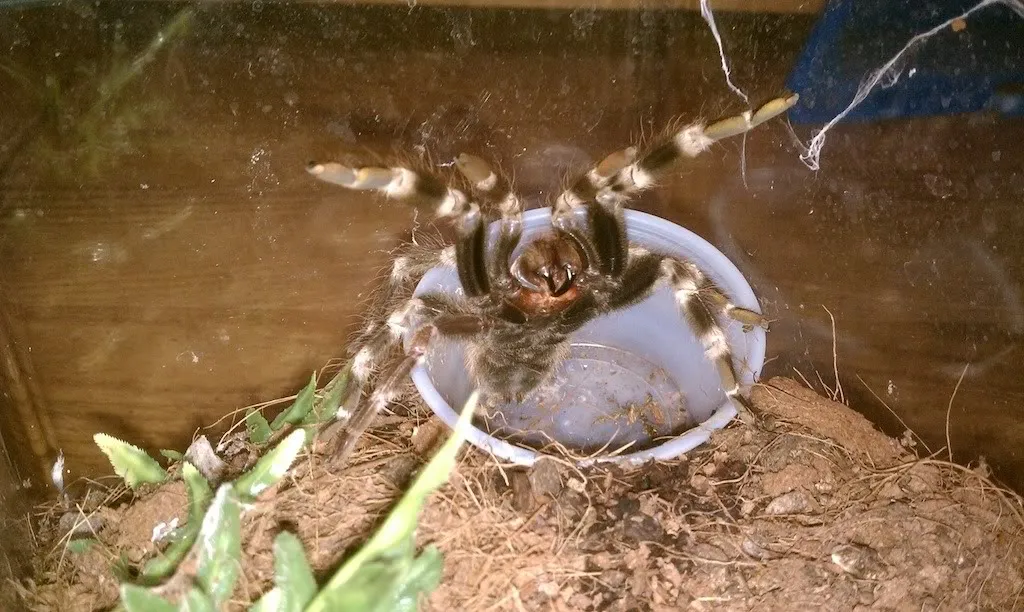
Owning a tarantula can be a rewarding experience, but it’s important to provide proper care to ensure the health and well-being of your eight-legged friend. This comprehensive guide will walk you through the essential steps of tarantula care, from setting up their habitat to addressing potential health issues. By following these guidelines, you can create a thriving environment for your tarantula and enjoy the fascinating world of these arachnids.
Setting Up Your Tarantula’s Habitat
Creating the right habitat is the foundation of tarantula care. A well-designed enclosure will not only provide a comfortable living space for your tarantula but also help regulate its temperature and humidity, which are essential for its health. Let’s delve into the key aspects of setting up a suitable habitat for your tarantula, ensuring it thrives in its new home.
Choosing the Right Enclosure
The size and type of enclosure are crucial. The enclosure should be appropriately sized for the tarantula’s species and size, allowing for comfortable movement and preventing stress. For terrestrial species, a wider, shallower enclosure is ideal, while arboreal species need taller enclosures with vertical climbing space. The enclosure should have a secure, escape-proof lid to prevent your tarantula from wandering, and good ventilation to prevent the buildup of mold and bacteria. Consider clear acrylic or glass enclosures, which provide excellent visibility and durability. (See tarantula-enclosure.webp)
Substrate Selection

The substrate, or bedding, is another critical component of the habitat. The substrate serves several purposes, including absorbing waste, maintaining humidity, and providing a burrowing environment for terrestrial species. Coconut fiber, peat moss, and vermiculite are popular choices, offering good moisture retention and natural burrowing properties. Avoid substrates with sharp edges or chemicals. The depth of the substrate depends on the tarantula’s species and size; generally, a depth of 2-6 inches is sufficient, allowing the tarantula to burrow comfortably. (See tarantula-substrate.webp)
Providing Hiding Places
Tarantulas are naturally shy creatures and need hiding places to feel secure. Provide your tarantula with a hide, such as a cork bark, a half-log, or a commercial hide. The hide should be large enough for your tarantula to comfortably fit inside but not so large that it feels exposed. Place the hide in a location where your tarantula can easily access it, allowing it to retreat and feel safe. This will help reduce stress and promote normal behavior. (See tarantula-species.webp)
Maintaining Temperature and Humidity
Temperature and humidity are vital for tarantula health. Most tarantulas thrive in temperatures between 75-85°F (24-29°C). Use a heat lamp or a heat mat placed on the side of the enclosure (never directly under) to maintain the desired temperature. Humidity requirements vary depending on the species; tropical species need higher humidity (70-80%), while desert species require lower humidity (50-60%). Monitor humidity with a hygrometer, and adjust ventilation and the frequency of misting or water dish size to achieve the appropriate levels. (See tarantula-species.webp)
Feeding Your Tarantula

Feeding your tarantula properly is essential for its growth and well-being. Tarantulas are opportunistic predators and have specific dietary needs. Providing the right food and feeding schedule will keep your tarantula healthy and active. Here’s what you need to know about feeding your tarantula and ensuring a balanced diet for your pet.
What to Feed Your Tarantula
Tarantulas primarily eat insects. Crickets, mealworms, and roaches are popular choices, readily available at pet stores. The size of the food should be appropriate for the tarantula’s size; generally, the prey should be no larger than the tarantula’s body. It’s best to avoid wild-caught insects, which may carry parasites or pesticides. Gut-load the insects with nutritious food (such as vegetables and commercial insect food) before feeding them to your tarantula to provide it with essential nutrients. (See tarantula-feeding.webp)
Feeding Frequency
The frequency of feeding depends on the tarantula’s age and species. Spiderlings and juveniles require more frequent feeding, typically 2-3 times a week. Adult tarantulas can be fed less frequently, usually once a week or every other week. Observe your tarantula’s behavior. If it’s not eating, it may be in premolt (preparing to shed its exoskeleton). Remove uneaten prey within 24 hours to prevent the insects from bothering the tarantula. Ensure that your tarantula has a water source at all times to prevent dehydration. (See tarantula-feeding.webp)
Watering Your Tarantula

Providing fresh water is a fundamental aspect of tarantula care. Tarantulas need access to clean water to stay hydrated and maintain their bodily functions. Let’s explore the best ways to provide water for your tarantula and maintain its quality, ensuring it has access to essential hydration at all times.
Providing Fresh Water
Always provide your tarantula with a shallow water dish. The dish should be small enough that the tarantula can’t easily fall in and drown. Use a shallow dish such as a bottle cap or a commercial water dish designed for reptiles and arachnids. For spiderlings, a moistened cotton ball or a shallow dish with small pebbles can be used to prevent drowning. Ensure the dish is always filled with fresh, clean water. (See tarantula-water.webp)
Maintaining Water Quality
Change the water in the dish regularly, ideally every 1-2 days, to prevent the growth of bacteria and mold. Use dechlorinated water or bottled water, as tap water may contain chlorine or other chemicals harmful to tarantulas. Clean the water dish with warm, soapy water when you change the water, and rinse thoroughly before refilling. This ensures that your tarantula has access to clean and safe drinking water at all times, promoting its health. (See tarantula-water.webp)
Handling Your Tarantula

Handling your tarantula is a matter of personal preference and depends on the species and the temperament of the individual spider. Some tarantulas are more docile and tolerant of handling, while others are more defensive. Understanding when and how to handle your tarantula safely is essential. Here’s what you need to know about handling these fascinating creatures.
When to Handle
Avoid handling your tarantula unless it’s absolutely necessary, such as when moving it for enclosure maintenance or medical reasons. Handle your tarantula when it’s calm and not in premolt or after just molting, as it will be more vulnerable. Never handle a tarantula if you’re unsure of its temperament. If you must handle the tarantula, do so carefully and gently. (See tarantula-handling.webp)
Safe Handling Techniques
If you choose to handle your tarantula, approach it slowly and calmly. Use gentle movements, and avoid sudden gestures that could startle the spider. Always handle the tarantula over a soft surface, such as a bed or a carpet, in case it falls. Never squeeze or restrain the tarantula. Gently coax the spider onto your hand or a soft object, such as a paintbrush, to move it. Be aware that some tarantulas can flick urticating hairs as a defense mechanism. Wash your hands thoroughly after handling your tarantula. (See tarantula-handling.webp)
Recognizing and Addressing Health Issues

Just like any pet, tarantulas can experience health problems. Recognizing the signs of illness and taking appropriate action is crucial for your tarantula’s well-being. Knowing the common problems and how to address them can help ensure your pet lives a long and healthy life. (See tarantula-health.webp)
Identifying Common Problems
Some common health issues include dehydration, mites, fungal infections, and injuries. Signs of dehydration include lethargy, wrinkled appearance, and lack of appetite. Mites can be identified as small, moving spots on the tarantula or its enclosure. Fungal infections can appear as discolored patches on the exoskeleton. Injuries can result from falls or attacks by prey. Regular observation of your tarantula and its enclosure will help you spot problems early. (See tarantula-health.webp)
Seeking Veterinary Assistance
If you suspect your tarantula is ill, consult a veterinarian experienced with exotic pets. Do not attempt to treat your tarantula with medications designed for other animals, as these could be harmful. Provide your vet with as much information as possible about your tarantula’s environment, diet, and behavior. Early diagnosis and treatment by a qualified veterinarian can improve the chances of a full recovery and ensure the health and longevity of your pet. (See tarantula-health.webp)
Understanding Tarantula Molting

Molting is a natural process for tarantulas, as they shed their exoskeleton to grow. It’s a delicate and vulnerable time for your tarantula, so understanding the molting process and how to support your pet is crucial. Here is a step by step guide for the molting process and how to help.
What to Expect During Molting
Before molting, your tarantula will often stop eating, become sluggish, and may develop a darker appearance. It may also spend more time on its back, which is a sign it is preparing to molt. Molting can take anywhere from a few minutes to several hours, depending on the tarantula’s size and species. After molting, the tarantula’s new exoskeleton will be soft and fragile. Avoid disturbing the tarantula during this time. (See tarantula-molting.webp)
Helping Your Tarantula During Molting
During molting, ensure that the enclosure has adequate humidity. Maintain the proper temperature and humidity levels. Do not disturb the tarantula during the molting process. After molting, allow the tarantula time to harden its new exoskeleton. Do not feed the tarantula until the exoskeleton has fully hardened, which can take several days to a week. Remove any uneaten prey to avoid disturbing the vulnerable tarantula, and be patient, as the molting process is essential for your tarantula’s growth. (See tarantula-molting.webp)
Caring for a tarantula can be an enjoyable experience. By following these guidelines, you can provide a healthy and enriching environment for your pet. Remember to always research the specific needs of your tarantula’s species, and consult with an experienced keeper or veterinarian if you have any concerns. Enjoy the fascinating world of tarantulas, and appreciate the beauty and unique characteristics of these amazing arachnids.