Understanding the Curly Hair Tarantula
The Curly Hair Tarantula (Tliltocatl albopilosus), a beloved species among tarantula enthusiasts, is renowned for its docile temperament and striking appearance. Native to the tropical regions of Central America, particularly Costa Rica, these spiders are relatively easy to care for, making them an excellent choice for both novice and experienced keepers. Their distinctive trait is their body covered in brown hairs, often with a ‘curly’ appearance, adding to their unique appeal. Understanding their natural habitat and behaviors is the first step in providing optimal care for your Curly Hair Tarantula. This guide will delve into every aspect of their care, from habitat setup and feeding to handling and health, ensuring you can provide a thriving environment for your fascinating pet.
Habitat Setup for Your Curly Hair Tarantula
Creating the right habitat is crucial for the health and well-being of your Curly Hair Tarantula. The enclosure should mimic their natural environment as closely as possible, providing the necessary conditions for them to thrive. This includes the right size enclosure, appropriate substrate, temperature, humidity, and suitable decorations to encourage natural behaviors. A well-designed habitat will not only keep your tarantula healthy but also provide you with the opportunity to observe its fascinating behaviors. This section will guide you through each element of habitat setup, ensuring you create the perfect home for your Curly Hair Tarantula. The ultimate goal is to replicate the spider’s natural environment to encourage it to thrive.
Choosing the Right Enclosure

Selecting the right enclosure is the first and most critical step in setting up your Curly Hair Tarantula’s habitat. The size of the enclosure should correspond to the size of your tarantula, ensuring it has enough space to move around comfortably. For slings (juvenile tarantulas), a small deli cup or a similarly sized container with adequate ventilation is suitable. As your tarantula grows, it will need a larger enclosure; a 10-gallon tank is a good starting point for adults, though some keepers prefer larger enclosures. The enclosure should have a secure lid to prevent escape. Make sure the lid is well-ventilated to allow for airflow. Transparency of the enclosure is also important so you can watch the tarantula safely.
Substrate Selection and Depth
The substrate is the flooring of your tarantula’s enclosure and plays a vital role in maintaining humidity, providing a burrowing medium, and offering a natural environment. A good substrate should hold moisture without becoming waterlogged and should be safe for your tarantula. A mixture of peat moss, vermiculite, and coconut fiber is an excellent choice. The depth of the substrate is also important, particularly for burrowing species. For Curly Hair Tarantulas, who enjoy burrowing, a depth of 4-6 inches is recommended, allowing them to create their burrows. The substrate should be kept slightly moist but not wet, and spot-cleaned regularly to remove any waste or uneaten food to prevent the growth of mold and mites. This will help keep your tarantula healthy and happy.
Temperature and Humidity Control
Maintaining the correct temperature and humidity levels is crucial for the health of your Curly Hair Tarantula. The ideal temperature range is between 75-85°F (24-29°C). A heat lamp or a heat mat placed on the side of the enclosure can provide the necessary warmth. Avoid placing the heat source directly under the enclosure, as this can cause the substrate to dry out quickly. Humidity levels should be maintained between 65-75%. You can achieve this by misting the enclosure lightly with water once or twice a week. Monitor the humidity using a hygrometer, and adjust your misting schedule as needed. Good ventilation is also important; while you need to maintain humidity, you don’t want the enclosure to become stagnant, which could lead to the growth of mold. Be sure to test the temperature with a thermometer to ensure it stays at the proper level.
Essential Decorations and Hiding Places

Decorations enhance the natural environment of your Curly Hair Tarantula, providing enrichment and a sense of security. Provide a hide, such as a piece of cork bark, a hollow log, or a commercially available tarantula hide. This will give your tarantula a safe place to retreat and feel secure. You can also add other decorations like artificial plants or branches, but make sure they are non-toxic and securely placed to prevent them from falling and potentially harming your tarantula. Decorations not only enhance the aesthetic appeal of the enclosure but also provide opportunities for the tarantula to explore and exhibit natural behaviors. The best decorations will be non-toxic, provide security and allow the tarantula to exhibit their natural behaviors.
Feeding Your Curly Hair Tarantula
Proper feeding is essential for the health and growth of your Curly Hair Tarantula. They are voracious eaters, and a well-balanced diet will ensure they thrive. The frequency and type of food will depend on the age of your tarantula, but generally, they are fed live insects. The goal is to provide a nutritious diet that supports their growth and overall health. Understanding what, how often, and how much to feed is key to keeping your tarantula healthy and happy. This section will cover all you need to know about feeding your Curly Hair Tarantula. Providing your tarantula with the right nutrition is crucial for their overall well-being and longevity.
What to Feed a Curly Hair Tarantula
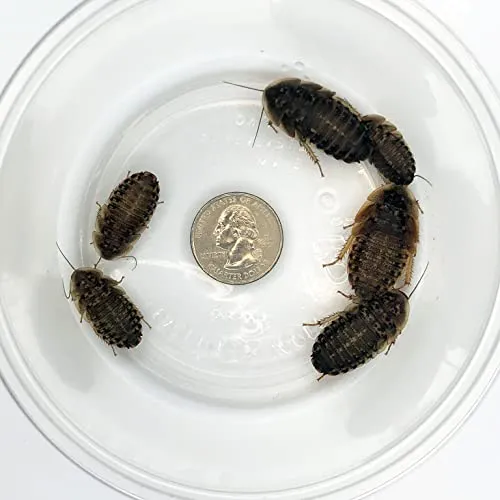
Curly Hair Tarantulas primarily eat insects. Appropriate food items include crickets, mealworms, roaches, and other commercially available feeder insects. The size of the feeder insects should correspond to the size of your tarantula. As a general rule, the prey should be no larger than the tarantula’s body. Avoid feeding your tarantula insects that have been exposed to pesticides, as these can be harmful. It’s also a good idea to gut-load your feeder insects with nutritious food like fruits and vegetables before feeding them to your tarantula, ensuring your tarantula receives a well-rounded diet. Feed your tarantula a variety of insects to ensure they get a full range of nutrients.
Feeding Frequency and Portion Sizes

The feeding frequency and portion sizes depend on the age and size of your tarantula. Slings (juvenile tarantulas) can be fed two to three times a week, while adults can be fed once a week or every other week. Observe your tarantula’s behavior and adjust the feeding schedule accordingly. If it refuses food, it may be in premolt (preparing to shed its exoskeleton). Remove any uneaten food within 24 hours to prevent the buildup of waste and to avoid stressing your tarantula. Overfeeding can lead to a host of health problems, so moderation is crucial. The amount of food should be just enough to satisfy the tarantula without overfeeding it. Adjust the quantity depending on your tarantula’s size and appetite.
Watering and Hydration
Providing fresh water is just as important as providing food. Always ensure your Curly Hair Tarantula has access to clean water. For slings, a small water dish or a bottle cap filled with water can suffice. For larger tarantulas, a shallow water dish is recommended. Make sure the water dish is not too deep, as this can pose a drowning risk. Regularly check and refill the water dish to ensure it is always clean and accessible. Misting the enclosure lightly once or twice a week also helps maintain humidity and provides a source of water for your tarantula. Regular hydration is critical for your tarantula’s health, and they will rely on you to provide them with clean water.
Molting and Growth
Molting is a natural process for tarantulas, where they shed their exoskeleton to grow. During this period, the tarantula is vulnerable and needs special care. Understanding the molting process and knowing how to care for your tarantula during this time is crucial for its survival. This section will cover everything you need to know about molting and how to support your tarantula through it. Molting is a sign that your tarantula is growing and healthy, and it is a fascinating process to observe. Providing the best conditions to help them molt successfully is key.
Recognizing the Molting Process
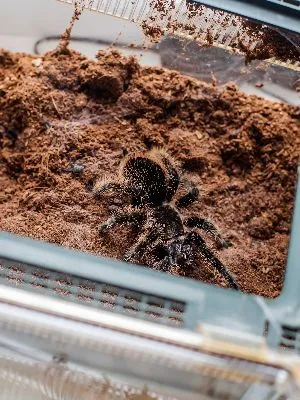
Before molting, your Curly Hair Tarantula may exhibit certain behaviors that indicate it is preparing to shed its exoskeleton. These include a loss of appetite, lethargy, and a change in color. The tarantula may also spend more time on its back. The abdomen may appear darker and swollen. It’s essential to recognize these signs so you can provide appropriate care and avoid disturbing your tarantula during this vulnerable time. The tarantula will also usually create a web mat to molt on. The process can take several hours to complete, and it’s critical to leave the tarantula undisturbed during this time. Knowing the signs of molting allows you to provide the best possible care.
Caring for a Molting Tarantula
During the molting process, it’s critical not to disturb your tarantula. Keep the enclosure at a stable temperature and humidity level. Do not feed your tarantula during this time, as it won’t be able to eat. After molting, the tarantula’s new exoskeleton will be soft and vulnerable. Allow a few days for the exoskeleton to harden before offering food. Once your tarantula has hardened, you can offer it a small meal. Ensure the conditions are right to help the tarantula molt, including temperature, humidity and stability. Don’t be alarmed if your tarantula doesn’t eat immediately after molting. It’s more important to let them recover.
Handling Your Curly Hair Tarantula (If at All)
While Curly Hair Tarantulas are known for their docile nature, handling them is generally not recommended. Tarantulas are delicate creatures, and handling them can cause injury. Handling can also stress the tarantula, potentially leading to defensive behavior. However, if handling is unavoidable, it should be done with extreme caution and proper safety precautions. This section will outline the safety aspects and why handling should be minimized. It is more important to ensure the tarantula’s safety. The best way to appreciate your tarantula is to observe it in its habitat. Handling should be avoided if possible to minimize stress and risk.
Safety Precautions When Handling

If you must handle your Curly Hair Tarantula, here are some safety precautions to take. Handle them close to the ground to minimize the distance they could fall. Avoid sudden movements that could startle the tarantula. Be gentle and support the tarantula’s body to prevent injury. Wash your hands thoroughly before and after handling to remove any potential contaminants. Be aware of the potential for a bite, though these are rare with Curly Hair Tarantulas. If bitten, wash the area thoroughly with soap and water and seek medical attention if necessary. Be careful about any potential allergies. Handling should only be done when absolutely necessary.
Understanding Tarantula Behavior
Understanding the behavior of your Curly Hair Tarantula is essential for its well-being. Observe your tarantula’s habits and preferences to create the best environment for it. This includes how they eat, where they like to hide, and what activities they do in their enclosure. Note if they are spending more time in their hide or if they are more active. Learning about their behavior will allow you to quickly spot changes that could signify a health problem. This allows you to give the best care to the tarantula.
Common Health Issues and Prevention
Like any pet, Curly Hair Tarantulas can be susceptible to certain health issues. However, many of these issues can be prevented with proper care and attention. This section will cover some common health problems and preventative measures you can take to keep your tarantula healthy and thriving. Early detection of any potential health problems is essential. The better care you provide, the longer the tarantula will be with you.
Recognizing Signs of Illness

It’s important to recognize the signs of illness in your Curly Hair Tarantula. Some common signs include a loss of appetite, lethargy, difficulty moving, and unusual changes in behavior. Look for any discoloration of the abdomen or any visible mites. Check for any signs of injury. If you notice any of these signs, it’s important to investigate the cause and take appropriate action. The key is to monitor the spider for changes in its health. Any changes in behavior or appearance can indicate a problem that needs to be addressed. The earlier the problem is caught, the better the chances of resolving it.
Preventative Measures for a Healthy Tarantula
There are several preventative measures you can take to ensure your Curly Hair Tarantula stays healthy. Maintain proper temperature and humidity levels. Provide a clean and appropriate substrate. Offer a varied and nutritious diet. Regularly clean the enclosure to prevent the buildup of waste and the growth of harmful bacteria. Quarantine any new tarantulas before introducing them to your collection. By following these preventative measures, you can significantly reduce the risk of health problems and ensure your tarantula has a long, healthy life. A healthy tarantula is a happy tarantula, so it’s important to do everything you can to care for them. Prevention is far better than treatment.
Conclusion
Caring for a Curly Hair Tarantula can be a rewarding experience. These fascinating creatures are relatively easy to care for, and by following this guide, you can provide your tarantula with everything it needs to thrive. Remember to prioritize the well-being of your tarantula by creating a suitable habitat, providing proper nutrition, and understanding its behavior. Regular observation and attention to detail will help you identify any potential problems early on. With proper care, your Curly Hair Tarantula can live for many years, bringing you joy and providing you with an opportunity to appreciate the beauty of the natural world. By providing the right care, you will develop a lasting bond with your Curly Hair Tarantula.