Understanding Curly Hair Tarantulas
The curly hair tarantula (Tliltocatl albopilosus), a popular pet spider, hails from the tropical dry forests of Central America. Known for their docile temperament and striking appearance, these arachnids have become a favorite among both novice and experienced tarantula keepers. This guide provides a comprehensive overview of how to care for a curly hair tarantula properly, ensuring its health, happiness, and longevity. Understanding the specific needs of this species is paramount to providing the best possible environment and care, allowing you to enjoy the fascinating world of tarantula keeping responsibly.
Origin and Habitat
Curly hair tarantulas originate from the tropical dry forests of Costa Rica and other parts of Central America. In their natural habitat, they are terrestrial spiders, meaning they live primarily on the ground. They burrow in the soil or take shelter under rocks, logs, and leaf litter to escape the sun and predators. The climate in these regions is characterized by high humidity during the rainy season and drier conditions during the dry season. Replicating these conditions in captivity is crucial for the tarantula’s well-being. Understanding their natural environment provides valuable insights into how to create a suitable habitat that caters to their specific needs, promoting a healthy and stress-free life for your pet.
Appearance and Characteristics

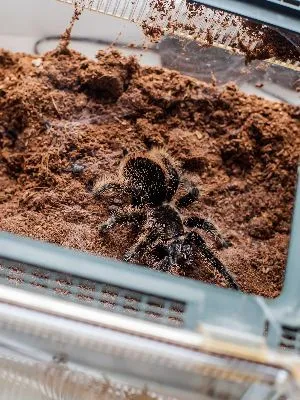
The curly hair tarantula is named for the characteristic curly hairs covering its body. These hairs, also known as setae, give it a fuzzy appearance. Their coloration ranges from a dark brown to a bronze hue, with the namesake curly hairs often being a lighter, golden color. They are a relatively large species, with females reaching a leg span of up to 6 inches, while males are typically slightly smaller. These spiders are known for their docile nature, making them a good choice for beginner tarantula keepers. They also have a relatively long lifespan, with females living up to 15 years or more, offering long-term companionship to their owners.
Creating the Ideal Habitat
Creating the right habitat is vital for the health and happiness of your curly hair tarantula. The enclosure should provide a secure and comfortable environment that mimics their natural habitat. This involves careful consideration of the enclosure type, substrate, decor, temperature, and humidity. By providing these essential elements, you can create a thriving environment where your tarantula can feel safe, explore, and engage in natural behaviors. The enclosure should also be easy to maintain, allowing you to monitor your tarantula’s health and ensure that all its needs are consistently met. Proper housing will significantly contribute to your tarantula’s longevity and overall well-being.
Choosing the Right Enclosure
The size and type of enclosure are crucial factors. A good rule of thumb is to provide an enclosure that is at least twice the tarantula’s leg span in width and length, and the height should be sufficient to prevent injury from falls. Glass or acrylic terrariums are commonly used, with secure lids to prevent escape. Ensure there is proper ventilation to maintain air quality and prevent mold growth, but avoid any openings that are too large. The enclosure should be easy to clean and provide a clear view of your tarantula. A well-chosen enclosure allows you to observe your tarantula’s behavior and ensures its safety while creating an aesthetically pleasing display.
Substrate and Decor

The substrate is the bedding material in the enclosure and serves several important purposes, including providing a surface for the tarantula to burrow, maintaining humidity, and absorbing waste. A suitable substrate for curly hair tarantulas includes a mixture of coco fiber, peat moss, and a small amount of vermiculite. This combination holds moisture well while providing good drainage. The substrate should be deep enough to allow the tarantula to burrow if it chooses to do so. Decorate the enclosure with a hide, such as a cork bark or half-log, for your tarantula to retreat into. Add a shallow water dish and some artificial or real plants for added humidity and visual appeal. Avoid any sharp objects or materials that could harm your tarantula.
Temperature and Humidity
Maintaining the correct temperature and humidity levels is vital for your tarantula’s health. The ideal temperature range for a curly hair tarantula is between 75°F and 85°F (24°C and 29°C). A heat lamp or a heat mat placed on the side of the enclosure can provide gentle warmth. Monitor the temperature with a thermometer to ensure it remains within the ideal range. Humidity should be maintained at around 60-70%. This can be achieved by lightly misting the enclosure with dechlorinated water once or twice a week, and by ensuring the substrate is slightly moist. A hygrometer can be used to measure the humidity levels. Adequate temperature and humidity help in promoting successful molting and overall well-being.
Feeding Your Curly Hair Tarantula
Feeding your curly hair tarantula the correct diet is essential for its growth and health. These tarantulas are opportunistic predators and will eat a variety of insects. Providing a balanced diet and adjusting the feeding frequency based on the tarantula’s size and age is essential to ensure they receive the necessary nutrients. Properly fed tarantulas are more likely to thrive and exhibit the behaviors typical of their species. It’s also important to remove any uneaten food to prevent the growth of mold and mites in the enclosure, maintaining a clean and healthy environment.
What to Feed

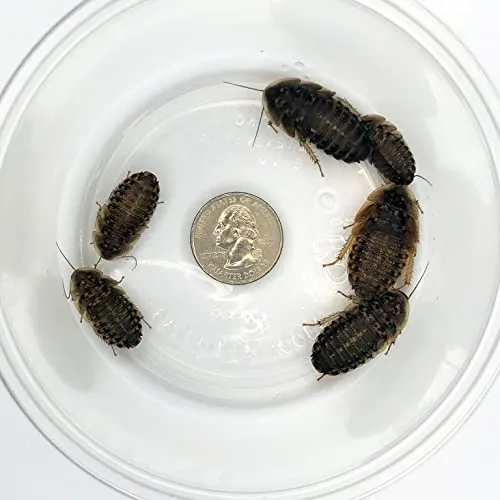
The staple diet for curly hair tarantulas should consist primarily of insects. Suitable options include crickets, mealworms, roaches, and other commercially available insects. The insects should be gut-loaded before being offered to your tarantula. Gut-loading involves feeding the insects a nutritious diet, such as vegetables and commercial insect food, for at least 24 hours before offering them to your tarantula. This ensures that your tarantula receives the maximum nutritional benefit. Avoid feeding wild-caught insects, as they may carry parasites or pesticides. Always ensure the insects are smaller than the tarantula’s body to avoid any potential danger to the spider. Varying the diet can also provide a wider range of nutrients.
Feeding Frequency
The feeding frequency depends on the tarantula’s age and size. Spiderlings (young tarantulas) should be fed 2-3 times a week, while juveniles can be fed once or twice a week. Adult tarantulas can typically be fed once every 1-2 weeks. Observe your tarantula’s abdomen; a well-fed tarantula will have a plump abdomen. If the abdomen appears too small or thin, increase the feeding frequency. Always remove any uneaten insects within 24 hours to prevent stress to the tarantula and to maintain a clean environment. Adjust the feeding schedule based on your tarantula’s specific needs and behavior; some individuals may eat more or less frequently.
Watering Your Tarantula
Providing fresh water is crucial for the health and well-being of your curly hair tarantula. Always have a shallow water dish with fresh, clean water available in the enclosure. The water dish should be shallow enough to prevent the tarantula from drowning. For spiderlings, use a water dish with a sponge or cotton balls to prevent them from falling in. Change the water regularly, at least once a week, and clean the dish to prevent the build-up of bacteria. In addition to the water dish, misting the enclosure with dechlorinated water can help maintain the proper humidity levels, especially during molting. Adequate hydration is critical for the tarantula’s survival.
Handling and Interaction
Handling a curly hair tarantula is generally considered safe due to their docile nature. However, it’s still important to approach handling with caution and respect for the spider’s needs and behaviors. Always ensure the tarantula is calm before attempting to handle it, and avoid sudden movements that could startle the spider. Handling should be kept to a minimum to avoid unnecessary stress. By understanding safe handling practices and tarantula behavior, you can interact with your pet safely and create a positive relationship.
Safe Handling Practices
If you choose to handle your curly hair tarantula, do so with extreme care. Always handle the spider over a soft surface, such as a bed or a carpet, to minimize the risk of injury if it falls. Gently coax the tarantula onto your hand; never grab or force it. Avoid any quick or jerky movements. Keep your hands clean and free of any lotions or perfumes, as these can be harmful to the tarantula. Be mindful of the tarantula’s posture; if it appears defensive or agitated, it’s best to leave it alone. Wash your hands thoroughly after handling your tarantula, and always supervise children when they interact with the spider.
Understanding Tarantula Behavior
Understanding your tarantula’s behavior is key to safe and enjoyable interaction. Curly hair tarantulas are generally docile but can display defensive behaviors if they feel threatened. These behaviors include raising their front legs, showing their fangs, or flicking urticating hairs (small, irritating hairs) from their abdomen. Never try to grab or force a tarantula; instead, allow it to come to you. Observe your tarantula’s behavior, and learn to recognize signs of stress, such as a tense posture or rapid movements. If the tarantula seems uncomfortable, it’s best to leave it in its enclosure. Building a relationship based on respect and understanding will enhance your experience as a tarantula keeper.
Common Health Issues and Prevention

Like all pets, curly hair tarantulas can be susceptible to certain health issues. Providing the proper care, including appropriate habitat conditions, diet, and hygiene, is the best way to prevent health problems. Regularly inspecting your tarantula for signs of illness and promptly addressing any issues will ensure your spider lives a long and healthy life. Understanding the molting process and recognizing common health problems are crucial for successful tarantula care. Preventative measures are essential to maintain the well-being of your pet tarantula.
Moulting Process
Molting is a natural and essential process for tarantulas, during which they shed their exoskeletons to grow. Before molting, your tarantula may stop eating, become lethargic, and hide in its burrow. They will often flip onto their backs. During molting, avoid disturbing your tarantula. The process can take several hours or even days. After molting, the tarantula’s new exoskeleton will be soft and vulnerable, so do not feed it for a week or so until the fangs have hardened. If the molting process seems to be taking an unusually long time or if the tarantula is struggling, you may need to adjust the humidity levels in the enclosure. Observing the molting process and knowing what to expect is a key part of understanding tarantula care.
Identifying and Addressing Health Problems
Regularly inspect your tarantula for any signs of illness. Some common health problems include mites, fungal infections, and injuries. Mites can often be identified as tiny, moving specks on the tarantula or in the enclosure. Fungal infections may appear as discolored patches on the tarantula’s body. If you suspect a health problem, isolate the tarantula and consult with a veterinarian specializing in exotic animals. Ensure that the enclosure is clean and properly maintained to prevent disease. Provide a well-balanced diet and maintain the correct temperature and humidity levels to keep your tarantula healthy and happy. Early detection and appropriate treatment are critical to the well-being of your pet.
Conclusion

Caring for a curly hair tarantula can be a rewarding experience. By understanding their specific needs, creating an appropriate habitat, and providing proper care, you can ensure that your tarantula lives a long, healthy, and fulfilling life. Remember to research and educate yourself continuously, as the more you learn about these fascinating creatures, the better equipped you will be to provide the best possible care. With patience, observation, and a commitment to responsible pet ownership, you can enjoy the unique companionship of a curly hair tarantula for many years to come. Enjoy the journey of caring for your amazing pet!