Understanding the Mexican Red Knee Tarantula
The Mexican Red Knee Tarantula (Brachypelma hamorii) is a popular and relatively docile species, making it a favorite among tarantula enthusiasts. Native to the arid scrublands and tropical deciduous forests of the Pacific coast of Mexico, this spider is known for its striking appearance and manageable care requirements. This guide will provide you with the ultimate knowledge on how to care for a Mexican Red Knee Tarantula, ensuring its health, happiness, and longevity. From setting up its habitat to understanding its behavior, we’ll cover everything you need to know to become a successful tarantula keeper. Proper care not only ensures the spider’s well-being but also provides a rewarding experience for the owner. This majestic creature, with its vibrant coloration and fascinating habits, can be a captivating addition to any home.
Origin and Habitat
Understanding the natural habitat of the Mexican Red Knee Tarantula is crucial for replicating its ideal living conditions in captivity. These tarantulas originate from the western coast of Mexico, specifically in the states of Guerrero and Michoacán. They thrive in dry, scrubby environments and tropical deciduous forests, where they burrow and seek shelter under rocks, logs, and within the roots of trees. The climate in these regions is typically warm and dry, with distinct wet and dry seasons. Knowing this helps in maintaining the appropriate temperature, humidity, and substrate for your pet. Mimicking their natural environment reduces stress and promotes their overall health. By understanding their origin, you can provide the best possible care, mirroring the conditions they’re naturally adapted to.
Appearance and Characteristics

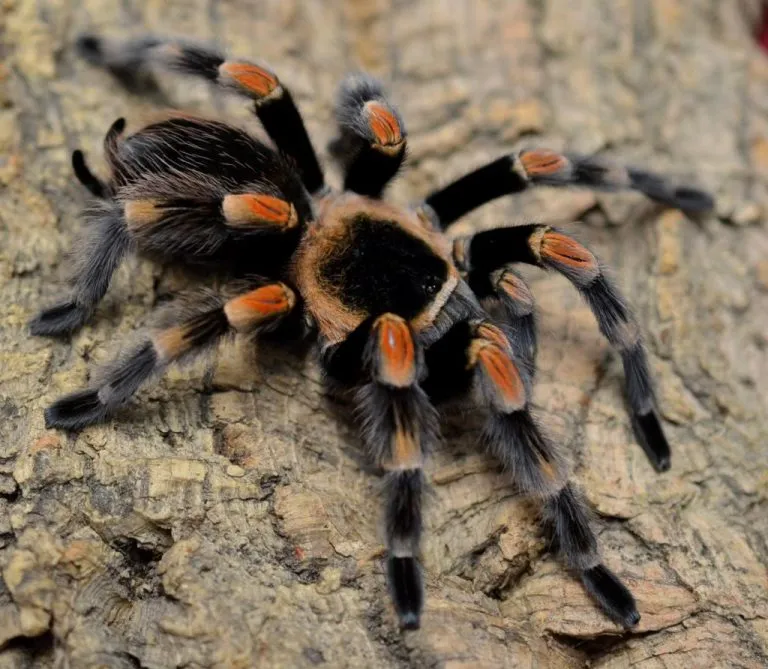
The Mexican Red Knee Tarantula is renowned for its striking appearance. They are primarily black with vibrant red-orange markings on their leg joints (knees), which give them their name. Adults can reach a leg span of up to 6 inches, with females typically being larger than males. They also have a relatively long lifespan; females can live for 20-30 years, while males usually live for 5-10 years. The carapace, the top part of their body, is a dark brown color. Their bodies are covered in small hairs, which can be urticating (irritating) if they are disturbed. Observing these characteristics helps in appreciating the beauty and uniqueness of your tarantula. This majestic coloration is an indication of a healthy tarantula, so understanding their appearance is a good measure of their well being. Regular observation of their appearance will help spot any issues before they become serious problems.
Setting Up the Ideal Enclosure
Creating the right enclosure is essential for the well-being of your Mexican Red Knee Tarantula. The setup should provide a safe, secure, and comfortable environment that mimics their natural habitat. Proper enclosure design influences the tarantula’s behavior, health, and overall longevity. The goal is to create a stress-free environment where the tarantula can thrive. Following these guidelines will ensure you establish an ideal home for your tarantula, helping it feel secure and at peace.
Enclosure Size and Type
The size of the enclosure should be appropriate for the size of the tarantula. A general guideline is to provide an enclosure that is at least three times the tarantula’s leg span in width and length, with enough height to accommodate the substrate and any decorations without allowing the tarantula to fall a significant distance. For a juvenile tarantula, a 5-10 gallon terrarium is sufficient. For adults, a 10-20 gallon terrarium is recommended. Glass or acrylic enclosures are suitable choices. Ensure the enclosure has a secure lid to prevent escape, as these tarantulas are skilled climbers. Ventilation is also important; the enclosure should have sufficient air circulation to prevent the buildup of mold and maintain the right humidity levels. Correctly sizing the enclosure creates a comfortable environment that allows them to feel safe.
Substrate Selection

The substrate is the base of your tarantula’s habitat, providing a place for the tarantula to burrow and feel secure. The ideal substrate should be able to retain some moisture while still allowing for good drainage. A mixture of peat moss, coco fiber, and a small amount of vermiculite works well. This combination provides a naturalistic look, helps maintain humidity, and allows the tarantula to dig and create burrows. Avoid substrates that are too dusty or that can easily mold. The substrate depth should be at least 4-6 inches, allowing the tarantula to burrow comfortably. Regular spot cleaning to remove waste and uneaten food is also important for maintaining a healthy environment. Choosing the right substrate is vital for creating a healthy, naturalistic, and comfortable habitat for your tarantula.
Temperature and Humidity
Maintaining the correct temperature and humidity levels is crucial for the health of your Mexican Red Knee Tarantula. The ideal temperature range is between 75-85°F (24-29°C). A heat mat placed on the side of the enclosure can help maintain this temperature, but it’s important to monitor it with a thermometer to ensure it doesn’t get too hot. Humidity levels should be kept between 60-70%. You can achieve this by misting the enclosure with water once or twice a week, but do not over mist. Avoid direct sunlight, as this can overheat the enclosure. Proper temperature and humidity promote healthy molting and overall well-being. Monitoring and adjusting these environmental factors are essential components of their care and can prevent health problems. Using a hygrometer to monitor the humidity level is also recommended.
Essential Equipment
Several essential items will help you create and maintain the ideal environment for your Mexican Red Knee Tarantula. These include a terrarium of appropriate size, a secure lid, a heat mat or a low-wattage heat lamp (optional, depending on your ambient room temperature), a thermometer and a hygrometer to monitor temperature and humidity, a water dish, a hide or shelter (such as a piece of cork bark or a half-log), and appropriate substrate. You’ll also need feeding tongs for safely feeding your tarantula and a small dish for water. Ensure that all equipment is safe and non-toxic. A properly equipped enclosure will provide your tarantula with everything it needs to feel safe and comfortable in its environment, reducing stress and promoting healthy behavior.
Feeding Your Mexican Red Knee Tarantula

Proper feeding is crucial for maintaining the health and vitality of your Mexican Red Knee Tarantula. A well-fed tarantula is more likely to thrive and exhibit healthy behavior. Understanding their dietary needs and feeding habits is essential to providing the best possible care. Overfeeding and underfeeding can both lead to health problems. The following sections provide a detailed overview of the ideal diet, feeding frequency, and hydration requirements.
Diet and Feeding Frequency
Mexican Red Knee Tarantulas are primarily insectivores, meaning they eat insects. Crickets, mealworms, roaches, and other commercially available insects are good options. The size of the prey should be appropriate for the size of the tarantula; the general rule is to feed insects that are no larger than the tarantula’s abdomen. Juvenile tarantulas should be fed 2-3 times a week, while adults can be fed once a week or even less frequently, depending on their appetite and condition. Remove uneaten prey after 24 hours to prevent them from stressing the tarantula and to prevent mold. Ensure the insects are gut-loaded (fed nutritious food) before feeding them to your tarantula to maximize their nutritional value. Observe your tarantula’s abdomen; it should be round and full after feeding, but not excessively so. This ensures you are providing the right amount of food. Proper feeding habits are the foundation of a healthy tarantula.
Water and Hydration
Providing fresh water is essential for your tarantula’s hydration. A shallow water dish should be placed in the enclosure and refilled regularly. The dish should be shallow enough that the tarantula can easily access the water without the risk of drowning. Some keepers also mist the enclosure lightly once or twice a week to help maintain humidity and provide an additional source of water. It’s important to monitor the water dish and clean it regularly to prevent the growth of bacteria and mold. Always use dechlorinated water, as chlorine can be harmful to tarantulas. Proper hydration supports the tarantula’s health, promotes successful molting, and prevents dehydration. Providing fresh, clean water at all times is a simple yet crucial aspect of tarantula care.
Handling and Safety Precautions

Handling your Mexican Red Knee Tarantula should be done with caution and respect for the animal. While these tarantulas are known for their relatively docile temperament, they can still bite if they feel threatened. It is essential to prioritize safety, both for yourself and for the tarantula. Avoiding unnecessary handling and understanding defensive behaviors can prevent accidents. Handling should only be done when necessary, such as for enclosure maintenance or a health check. Regular handling is generally not needed, as tarantulas do not typically enjoy being handled. If you do decide to handle your tarantula, understanding their defensive behaviors is essential. Always approach handling with caution and a focus on safety.
Safe Handling Techniques
If you need to handle your Mexican Red Knee Tarantula, do so gently and with awareness. The best approach is to gently coax the tarantula onto your hand, allowing it to walk onto your palm. Avoid sudden movements, which can startle the tarantula. Always handle over a soft surface, such as a bed or a low table, to prevent injury if the tarantula falls. Wash your hands thoroughly before and after handling to prevent contamination and to remove any scents that might affect the tarantula. Be patient and avoid forcing the tarantula to move. If the tarantula becomes agitated, gently put it back in its enclosure. Regular handling isn’t necessary and can stress the tarantula. The goal is to minimize stress and prioritize the tarantula’s well-being. If you respect their space, they will be happy.
Understanding Defensive Behaviors
Mexican Red Knee Tarantulas have several defensive behaviors. One of the most common is flicking urticating hairs from their abdomen towards a perceived threat. These hairs cause skin irritation and can be very uncomfortable. They may also rear up in a defensive posture, showing their fangs. While bites are rare, they can be painful. If the tarantula displays defensive behaviors, it’s best to leave it alone. Do not try to force handling or agitate the tarantula. Understanding these behaviors helps you avoid potentially harmful situations. Always observe the tarantula’s body language to gauge its comfort level and to respond appropriately. Being aware of and respecting these behaviors is key to keeping yourself and your tarantula safe.
Molting and Growth

Molting is a natural process for tarantulas, allowing them to shed their exoskeleton and grow. Understanding the molting process and providing appropriate care during this time is crucial for your tarantula’s health. Molting is not only a period of growth, but also a time when the tarantula is most vulnerable. Protecting your tarantula while it molts will ensure a healthy outcome and allow it to grow into its adult size. Knowing the molting process, allows for a better care for the tarantula.
Recognizing the Molting Process
Before molting, a tarantula will often stop eating and become less active. The abdomen may appear dark and swollen, and the tarantula may spend more time on its back. You may also notice the exoskeleton becoming duller in appearance. It’s crucial not to disturb the tarantula during this vulnerable period. The molting process can take anywhere from a few hours to a day or more. Avoid handling the tarantula during this time, as it is particularly vulnerable. It’s important to recognize these signs to provide appropriate support during the molting period. Molting is a delicate process, and a stressful environment can lead to complications. By recognizing the signs, you’re able to protect and support your tarantula through this transformative process.
Post-Molting Care
After molting, the tarantula’s new exoskeleton will be soft and fragile. Do not feed your tarantula for at least a week after molting, allowing the exoskeleton to harden fully. Provide fresh water and maintain the appropriate temperature and humidity levels. The tarantula will be more active and will likely begin eating again once the exoskeleton has hardened. Keep an eye out for any changes in behavior or appearance. If you notice any problems, consult with a veterinarian experienced in exotic animals. Post-molting care involves a waiting period followed by re-establishing food and care. During this time, a soft exoskeleton is developed, which is key to a healthy recovery. By providing a period of rest, you give the tarantula a better opportunity for growth and recovery after its molting process.
Common Health Issues and Prevention

While Mexican Red Knee Tarantulas are generally hardy, they can be susceptible to certain health issues. Recognizing these issues and taking preventative measures is crucial for maintaining your tarantula’s health and longevity. Regular observation and proactive care are key to preventing common problems. Early detection can prevent serious complications and ensure your tarantula lives a long, healthy life. Knowing the common health issues, will help you take the steps to prevent these issues from arising.
Parasites and Diseases
Common health issues include mites, which can infest the tarantula and cause irritation. These are often brought in through food. Another issue is fungal infections, which can develop in overly humid environments. Bacterial infections can also occur if the enclosure is not kept clean. If you suspect your tarantula has a health issue, it is important to seek veterinary care from a professional experienced with exotic pets. Regular cleaning of the enclosure, proper humidity, and quarantine new specimens can help prevent these problems. Keeping the enclosure clean and maintaining proper humidity will prevent several common ailments. Parasites and diseases are generally preventable with good care. Observing the tarantula can help detect early problems.
Preventative Measures
Preventative measures are essential for maintaining the health of your Mexican Red Knee Tarantula. These measures include: maintaining proper temperature and humidity, providing a balanced diet, keeping the enclosure clean, providing fresh water at all times, quarantining new tarantulas, using clean substrate, and inspecting the tarantula regularly for signs of illness or parasites. Avoid handling the tarantula unnecessarily, as this can cause stress. Regular observation and a clean environment are key components of preventative care. Providing proper care minimizes the risk of health problems and ensures a happy tarantula. Prioritizing preventative care creates a healthy environment.
Breeding

Breeding Mexican Red Knee Tarantulas is a rewarding, but complex process. It requires careful planning, preparation, and understanding of the tarantula’s behavior. Breeding is not for the faint of heart; it’s an involved process that requires advanced knowledge and significant time. Breeding these tarantulas involves a commitment to providing the best possible care for both the adults and the spiderlings. Understanding the process is key to successfully breeding these creatures.
Identifying Sex
Sexing a Mexican Red Knee Tarantula is the first step in the breeding process. This can be done by examining the molt. In males, you will find hooks on their front legs and the presence of a pair of modified pedipalps, also known as boxing gloves, used to store sperm. Females do not have these features. Accurate sexing is important for ensuring a successful breeding attempt. It is also possible to sex tarantulas by looking at the underside of their abdomen. The presence of a spermatheca, the female’s sperm storage organ, is another sign of a female. It is helpful to know the sex of the tarantula when breeding. This important initial step in the breeding process enables one to proceed with the mating process.
Mating and Egg Sacs
Mating involves introducing the male tarantula to the female’s enclosure. The male will approach the female cautiously, drumming on the ground to signal his intentions. If the female is receptive, she will allow the male to mate. The mating process can be brief, and the male should be removed promptly after mating to prevent the female from attacking and eating him. If successful, the female will produce an egg sac, which she will guard and care for. The eggs will hatch, and the spiderlings will eventually emerge from the egg sac. Breeding Mexican Red Knee Tarantulas is a rewarding experience, but also requires careful planning and patience. Success in breeding lies in correctly identifying sex and creating the correct conditions for reproduction. Patience and close observation are essential. Breeding is also a commitment to the care of the new offspring.
Conclusion
Caring for a Mexican Red Knee Tarantula can be a fulfilling experience. By following these guidelines on proper habitat, feeding, handling, and health, you can ensure your tarantula thrives and lives a long, healthy life. Remember that consistency and attention to detail are key. Provide the best possible care to ensure your tarantula’s happiness and overall well-being. Enjoy the fascinating world of tarantula keeping and the unique joy that comes from observing these incredible creatures. With dedication and proper care, you can create a thriving environment for your Mexican Red Knee Tarantula, allowing you to enjoy its presence for years to come.