What to Feed Your Tarantula
Understanding the dietary needs of your tarantula is crucial for its health and well-being. Tarantulas are obligate carnivores, meaning their diet consists solely of animal matter. Providing the right food items not only satisfies their nutritional needs but also promotes natural behaviors, such as hunting and feeding. A balanced diet ensures they receive essential nutrients, leading to better growth, molting, and overall vitality. There are a variety of insects available, each with its own nutritional profile and ease of care. Always source feeder insects from reputable suppliers to avoid introducing parasites or pesticides into your tarantula’s enclosure. Additionally, vary the diet to provide a range of nutrients, as relying on a single food source can lead to nutritional deficiencies over time.
Types of Insects
The most commonly used insects for feeding tarantulas include crickets, mealworms, roaches, and other options. Each type offers different nutritional benefits and poses unique challenges. The choice of insect often depends on the tarantula’s size, your location, and the availability of feeder insects. Consider factors such as the insect’s nutritional value, ease of keeping, and cost. A well-rounded diet includes a mix of these options. Furthermore, gut-loading feeder insects (feeding them nutritious food before offering them to the tarantula) can significantly boost their nutritional content, providing even more benefits to your pet. It is crucial to research and understand the nutritional profiles of each insect type to make informed decisions for your tarantula’s diet.
Crickets
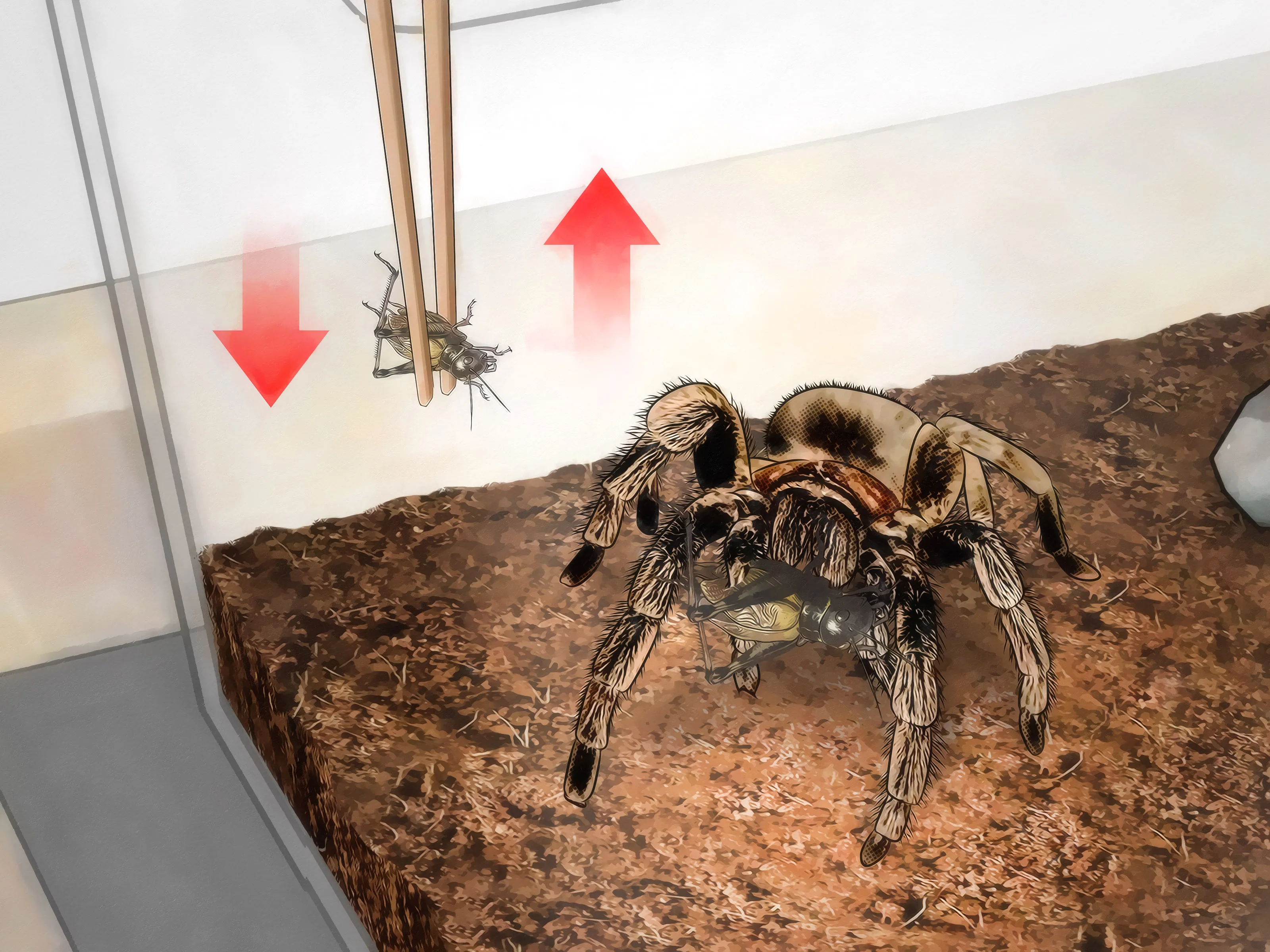
Crickets are a staple food for many tarantula keepers due to their availability and ease of purchase. They are relatively easy to keep, though they require proper housing to prevent escape and ensure they receive proper nutrition. Crickets offer a good source of protein, which is essential for growth and overall health. Before feeding, it’s best to gut-load the crickets with nutritious food such as vegetables and commercial cricket feed. This process enriches the crickets with vitamins and minerals, enhancing their nutritional value for your tarantula. When feeding crickets, be mindful of their size relative to your tarantula. Offering crickets that are too large can stress your tarantula, while smaller crickets may go unnoticed. You can purchase crickets from pet stores or online suppliers. Crickets are shown on the picture above.
Mealworms
Mealworms are another popular feeder insect, especially for smaller tarantulas or juveniles. They are easy to breed and store, requiring minimal space and care. Mealworms are high in protein but also contain a significant amount of chitin, which can be difficult for some tarantulas to digest in large quantities. It is best to feed them in moderation or in conjunction with other feeder insects to balance the diet. Before feeding, it is beneficial to gut-load mealworms with nutritious food. Consider using commercial mealworm feed or offering them vegetables and fruits. The size of the mealworm is crucial. They should be small enough for your tarantula to handle easily. Overfeeding can lead to digestive issues, so it’s best to feed mealworms in controlled amounts and monitor your tarantula’s response. Mealworms are shown on the picture above.
Roaches
Roaches, such as Dubia roaches, are considered by many to be the ideal feeder insect for tarantulas. They are highly nutritious, containing a good balance of protein, fats, and other essential nutrients. Roaches are relatively easy to breed and keep, and they don’t burrow or make noise like crickets, making them a clean option. They are also less likely to escape and breed in your home compared to crickets. Before feeding, gut-loading the roaches enhances their nutritional value, providing your tarantula with essential vitamins and minerals. Roaches come in a variety of sizes, making them suitable for all tarantula sizes, from spiderlings to adults. If you’re serious about tarantula keeping, consider roaches. Roaches are shown on the picture above.
Other Food Options

In addition to the primary feeder insects, other options can be incorporated into your tarantula’s diet for variety. Pinkie mice (baby mice) can be offered to larger tarantulas, but this should be done sparingly due to their high-fat content. Waxworms are another option but are high in fat, and should also be fed sparingly. You may find some tarantulas enjoy other insects like grasshoppers or beetles, depending on their size and preferences. The key is to vary the diet to ensure your tarantula receives a wide range of nutrients. Offering occasional variety can also keep your tarantula stimulated, promoting a healthy appetite. Always ensure the food items are clean, free from parasites, and of appropriate size for your tarantula. This will prevent any possible complications, such as digestive issues.
How Often to Feed Your Tarantula
The frequency of feeding is a crucial aspect of tarantula care, influencing their growth, health, and overall well-being. The proper feeding schedule can help prevent overfeeding or underfeeding, both of which can pose health risks. Feeding frequency is not a fixed rule, and it varies depending on several factors, including the tarantula’s size, age, and species. By considering these factors, you can develop a feeding schedule tailored to your tarantula’s needs. It is important to observe your tarantula’s behavior, appetite, and overall health to adjust the feeding schedule as needed. Regular monitoring and adjustment ensure you maintain optimal conditions for your tarantula’s well-being.
Feeding Frequency by Tarantula Size
The size of your tarantula is a primary determinant of how often you should feed it. Spiderlings (small tarantulas) require more frequent feeding to support their rapid growth. As they mature, the feeding frequency can be gradually reduced. For spiderlings, feeding every 2-3 days is common. Juvenile tarantulas typically do well with feeding once or twice a week. Adult tarantulas often require feeding every 1-2 weeks, but this can vary. The general rule is, as tarantulas grow, their metabolism slows down, so they need less frequent meals. Overfeeding can lead to health problems, so it’s better to err on the side of caution and slightly underfeed. The key is to adjust the feeding schedule according to the tarantula’s needs.
Feeding Frequency by Tarantula Stage

Different life stages of the tarantula require adjustments to their feeding schedule. Spiderlings need more frequent feedings, as their bodies are developing. During the juvenile stage, tarantulas continue to grow rapidly, but their feeding frequency is gradually reduced. As they mature into adults, their metabolism slows down, and their feeding needs decrease. During pre-molt periods, tarantulas may lose their appetite, so you should reduce or stop feeding until they molt. After molting, tarantulas have a soft exoskeleton and should be given time to harden up before feeding. You can resume feeding a week or so after molting. Adjust the feeding schedule based on the tarantula’s current stage of life, considering its growth and molting cycles.
Factors Influencing Feeding
Several factors influence how much to feed your tarantula. These factors include the tarantula’s appetite, the environmental conditions, and its overall health. Understanding these influences will help you fine-tune the feeding schedule and ensure the tarantula’s well-being. Monitoring these factors and adjusting the feeding plan as needed is essential for optimal care. Paying attention to the details will ensure that your tarantula thrives. This approach can prevent both overfeeding and underfeeding. The proper feeding schedule will contribute to the health of your pet.
Tarantula’s Appetite
A tarantula’s appetite is a significant indicator of its health and feeding needs. A healthy tarantula will usually show a strong appetite, readily taking the offered food. If your tarantula stops eating or shows a decreased appetite, it could indicate several things, such as an upcoming molt, stress, or illness. Monitor the tarantula’s behavior closely to determine the cause. If the tarantula seems to be losing interest in food for a while, it’s a good idea to check its enclosure’s temperature, humidity, and overall conditions. A tarantula that consistently refuses food may need a veterinarian check. Understanding your tarantula’s appetite patterns will help you provide proper care.
Temperature and Humidity

Temperature and humidity levels can significantly affect a tarantula’s appetite and feeding behavior. Tarantulas are ectothermic, meaning they rely on external sources to regulate their body temperature. If the temperature is too low, their metabolism slows down, which results in a decreased appetite. Maintaining the correct temperature range for the species is crucial for proper digestion and overall health. Likewise, humidity plays a vital role in the molting process. Low humidity can hinder molting, affecting the tarantula’s appetite and well-being. Ensure the enclosure is at the correct temperature and humidity levels. Regularly check these conditions to maintain the tarantula’s health. Monitoring the enclosure and making adjustments will contribute to their well-being.
Tarantula’s Health
A tarantula’s overall health is a crucial factor influencing its feeding habits. Healthy tarantulas tend to have a good appetite and actively hunt or take food. If your tarantula appears lethargic or shows signs of illness, it might affect its appetite, leading to refusal. Be sure to check for any external signs of illness. Regular observations of the tarantula’s behavior and appearance will indicate its health. In some cases, a vet might be necessary. Addressing any health issues promptly will help restore the tarantula’s appetite and well-being. Proactive care ensures the tarantula has a strong immune system.
Water Availability
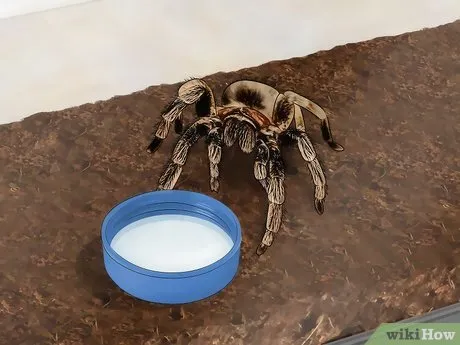
Providing a constant supply of clean water is essential for the health of your tarantula, which affects feeding habits. Tarantulas need water to stay hydrated, and adequate hydration helps in digestion and molting. A dehydrated tarantula might show a loss of appetite or general sluggishness. Always ensure that a shallow water dish is present in the enclosure and that the water is fresh and clean. Regularly check the water dish for cleanliness and refill it as needed. Proper hydration supports the tarantula’s overall health, including its appetite. Water plays a vital role, so be sure to keep the water dish full and clean.
How to Handle Feeding Challenges

Feeding challenges can arise from time to time when caring for tarantulas, such as refusal to eat or overfeeding. Understanding how to address these issues will help you maintain the tarantula’s health and well-being. If a tarantula consistently refuses food, there might be an underlying cause, like an impending molt or environmental stress. Overfeeding can lead to serious health problems, so be aware. By being proactive, you can help the tarantula stay healthy. Proper management will help the tarantula thrive, allowing it to stay healthy and happy.
Refusing Food
If your tarantula refuses food, remain calm and try to determine the cause. An impending molt is a common reason for food refusal; a tarantula may stop eating weeks before molting. Check the enclosure conditions to ensure optimal temperature and humidity. Ensure the enclosure is free from disturbances and stress factors. Consider the food’s suitability; the tarantula might not be interested in that specific food type. If refusal continues for an extended period and there is no sign of molting, consult with an experienced tarantula keeper. Avoid forcing the tarantula to eat, as this can cause unnecessary stress. When a tarantula is not eating, there might be underlying causes, so try to find out what’s happening with your pet.
Overfeeding
Overfeeding is a common mistake that can lead to serious health issues. Overfed tarantulas can become obese, which strains their internal organs. This condition can shorten their lifespan. Adjust the feeding schedule to match the tarantula’s size and age. Regularly assess the tarantula’s body condition, noting its abdomen size and overall activity levels. Reduce the feeding frequency, and only offer food items that are appropriate for the tarantula’s size. If you suspect overfeeding, consult with a veterinarian or experienced tarantula keeper. Prevention is the best strategy for managing the risk of overfeeding. Moderation is the key for your tarantula’s diet.
Signs of a Healthy Tarantula

Recognizing the signs of a healthy tarantula will help you monitor its overall well-being. A healthy tarantula typically has a good appetite and actively hunts. It displays normal activity levels and moves around its enclosure without difficulty. The abdomen should be plump but not excessively large. The tarantula should be alert and responsive to its environment. The exoskeleton should be free from any abnormalities or injuries. A healthy tarantula will molt successfully, revealing a new, vibrant exoskeleton. Observing the tarantula’s behavior and appearance will help in assessing its health. By monitoring your tarantula and taking notice of any unusual signs, you can quickly address any potential health problems. A healthy tarantula is shown on the picture above.