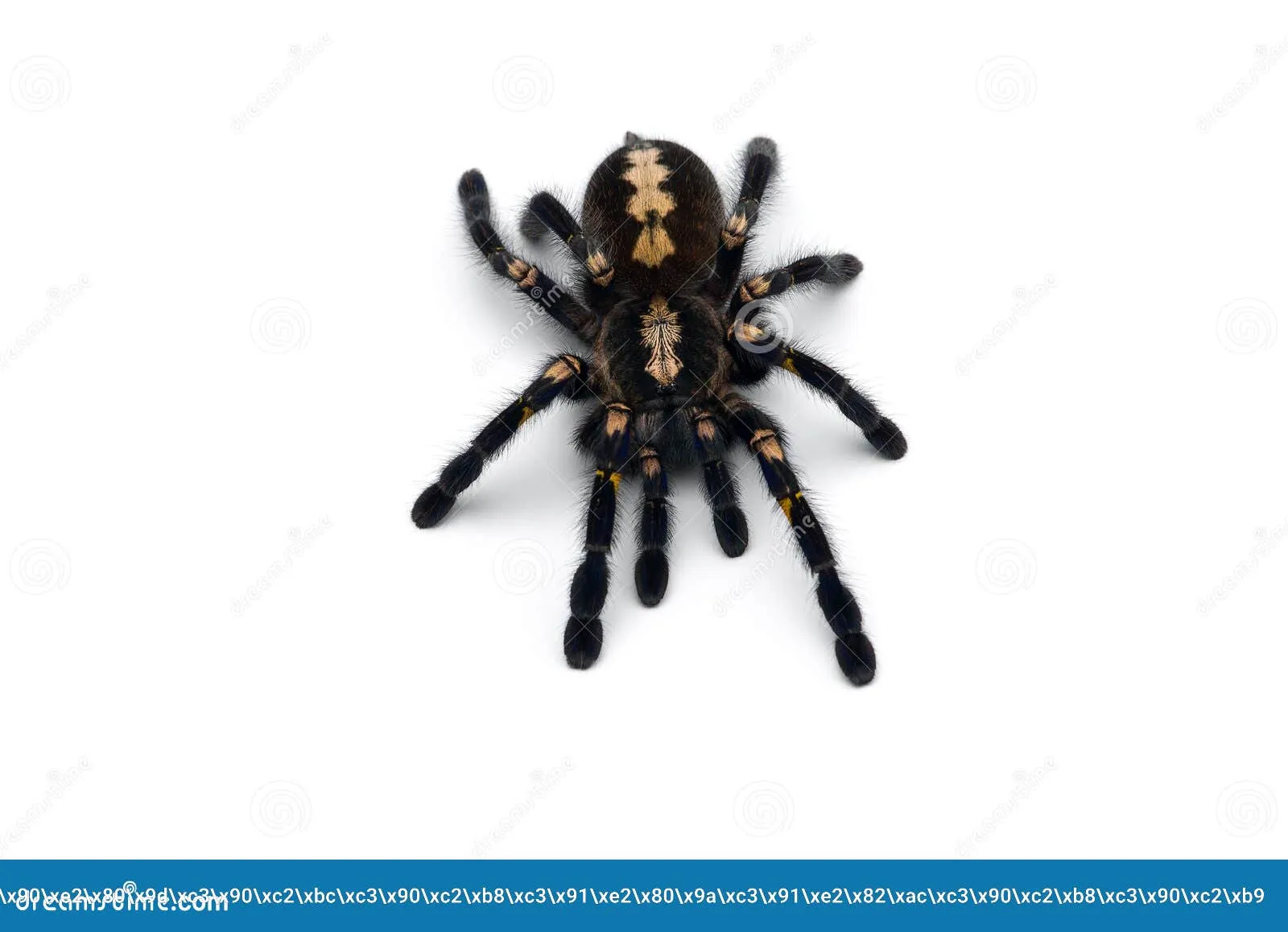
Gooty Sapphire Tarantula Habitat Top 5 Tips!
The Gooty Sapphire Ornamental tarantula (Poecilotheria metallica) is a stunning and sought-after species, prized for its vibrant blue and metallic coloration. However, their care requires specific attention to detail to ensure their well-being. Setting up the ideal habitat is paramount to a thriving Gooty Sapphire Tarantula. This guide offers the top 5 essential tips for creating a perfect environment, covering enclosure size, substrate, humidity, temperature, enrichment, and the important aspects of cleanliness. Providing a comfortable and stimulating habitat will not only ensure the health of your tarantula but also allow you to enjoy watching this magnificent creature thrive.
Choosing the Right Enclosure
Selecting the right enclosure is the first and arguably the most crucial step in setting up a habitat for your Gooty Sapphire Tarantula. Because they are arboreal species, meaning they are adapted to live in trees, the enclosure should be taller than it is wide. A well-ventilated enclosure that allows for proper air circulation is also crucial for the tarantula’s health. The enclosure should also be escape-proof and easy to open and close for routine maintenance and cleaning. Glass or acrylic enclosures are common choices, offering clear views of your tarantula and the interior setup. Consider the adult size of the Gooty Sapphire Tarantula when choosing the enclosure size to provide adequate space for movement, feeding, and molting.
Size Matters

For adult Gooty Sapphire Tarantulas, an enclosure measuring at least 12x12x18 inches (width x depth x height) is recommended, though a larger enclosure is always preferable. The extra height is essential because these tarantulas are arboreal. The height of the enclosure allows for the tarantula to climb and create a web within the space. For slings (juvenile tarantulas), a smaller enclosure is more appropriate to prevent them from feeling overwhelmed. As the tarantula grows, upgrade the enclosure accordingly, ensuring that there is ample room for them to move around and feel secure.
Ventilation is Key
Proper ventilation is crucial to prevent the buildup of stagnant air and humidity within the enclosure, which can lead to mold growth and respiratory issues for your tarantula. Ensure that the enclosure has adequate ventilation, such as mesh tops or strategically placed air vents. Avoid blocking the ventilation, and monitor the humidity levels regularly using a hygrometer to ensure they are within the ideal range. Good ventilation also helps to regulate the temperature within the enclosure, preventing overheating, especially during warmer months.
Substrate Selection Creating the Perfect Base
The substrate serves as the base of your tarantula’s habitat, providing a comfortable surface for the tarantula to walk on, a place to burrow or web, and helps maintain humidity. For Gooty Sapphire Tarantulas, a mix of substrate is recommended. Good choices include a blend of peat moss, coconut fiber (coir), and a small amount of vermiculite or sphagnum moss. The substrate should be deep enough to allow the tarantula to burrow, and the depth should be at least 4-6 inches for adults. Avoid substrates that are dusty or contain harmful chemicals. Replace the substrate every 6-12 months, or sooner if it becomes moldy or overly soiled.
Moisture and Humidity Control

Gooty Sapphire Tarantulas thrive in a moderately humid environment. Maintaining the correct humidity level is crucial for their health and molting process. The ideal humidity range is typically between 65% and 75%. You can achieve this by lightly misting the enclosure once or twice a week, depending on the ventilation and the humidity level in your home. Be careful not to over-mist the enclosure, as this can lead to mold growth. Use a hygrometer to monitor the humidity level regularly. Also, ensuring proper substrate and providing a water dish can help in maintaining the required humidity level.
Proper Temperature Management
Temperature plays a crucial role in the health and activity levels of your Gooty Sapphire Tarantula. The ideal temperature range is typically between 75°F and 85°F (24°C and 29°C). Use a thermometer to monitor the temperature inside the enclosure. In most households, this temperature range can be maintained without additional heating. Avoid placing the enclosure in direct sunlight, as this can cause the temperature to rise to dangerous levels. If the temperature in your home drops below the recommended range, you may need to use a low-wattage heat lamp or a heat mat placed on the side of the enclosure to provide supplemental heat. Be sure to use a thermostat to regulate the temperature and prevent overheating.
Providing Hiding Spots and Enrichment
Providing hiding spots and enrichment is essential for the well-being of your Gooty Sapphire Tarantula. These tarantulas are naturally shy and prefer to have a secure place to retreat to. Include a cork bark, half log, or artificial hide in the enclosure. Arrange the hide so the tarantula can easily access it, which will allow them to feel safe. Adding various elements to the enclosure, such as live or artificial plants, can provide additional enrichment, mimicking their natural environment and allowing them to create webs. The environment should be able to provide the tarantula the ability to express natural behaviors, which will make them less stressed and more active.
Essential Decorations for Habitat

Decorations serve not only to beautify the enclosure but also enrich the tarantula’s environment. Natural decorations such as cork bark or driftwood are excellent choices. Live or artificial plants can also be included, providing additional hiding places and enhancing the aesthetics. Arrange the decorations to provide a variety of climbing surfaces and hiding spots. Avoid using decorations that could pose a risk to the tarantula, such as sharp objects or items that could fall and crush it. Always ensure that the decorations are thoroughly cleaned before introducing them into the enclosure.
Feeding and Watering Considerations
Proper feeding and watering are fundamental aspects of caring for a Gooty Sapphire Tarantula. Feed your tarantula appropriately sized insects, such as crickets, roaches, or mealworms. The frequency of feeding depends on the age and size of the tarantula, with juveniles needing to be fed more frequently than adults. Generally, feed juveniles 2-3 times a week and adults once a week or every other week. Remove any uneaten food within 24 hours to prevent mold growth. Always provide a shallow water dish with fresh water to ensure your tarantula stays hydrated.
Water Source and Frequency
A shallow water dish is essential for providing fresh water to your Gooty Sapphire Tarantula. The dish should be small enough to prevent the tarantula from drowning but large enough for it to easily drink from. Place the water dish in a stable location within the enclosure. Change the water in the dish every 1-2 days to prevent contamination and ensure the tarantula has a fresh water source. Using a small sponge or cotton ball in the water dish can also help prevent the tarantula from drowning while also providing a place to drink.
Maintaining Cleanliness

Maintaining a clean habitat is essential for the health and well-being of your Gooty Sapphire Tarantula. Regular cleaning prevents the buildup of waste, mold, and bacteria, creating a healthy environment. Spot cleaning and complete habitat cleaning are the two important components of enclosure maintenance. A regular cleaning schedule will help ensure the long-term health and happiness of your pet tarantula.
Spot Cleaning and Waste Removal
Spot cleaning should be performed regularly, typically once or twice a week. This involves removing any visible waste, such as uneaten food, dead insects, and feces. Use a pair of tongs or a small scoop to remove the waste, being careful not to disturb the tarantula. Also check the substrate for any signs of mold or excessive moisture, and replace it if necessary. Spot cleaning will help to maintain a clean and hygienic environment, reducing the risk of disease and promoting your tarantula’s overall health.
Complete Habitat Cleaning
Complete habitat cleaning should be done periodically, typically every 6-12 months, or sooner if the enclosure becomes excessively dirty. This involves removing the tarantula from the enclosure (temporarily placing it in a secure container), removing all the substrate and decorations, and thoroughly cleaning the enclosure with warm water and a mild, unscented soap. Rinse the enclosure thoroughly to remove any soap residue. Allow the enclosure to dry completely before returning the clean substrate, decorations, and the tarantula to its habitat. This deep cleaning will reset the habitat, removing any accumulated bacteria and waste and providing a fresh, healthy environment.
By following these top 5 tips, you can create an ideal habitat for your Gooty Sapphire Tarantula, promoting its health, happiness, and overall well-being. Remember, consistency and observation are key. Regularly monitor the enclosure conditions, adjust as needed, and enjoy the fascinating behavior of your stunning Gooty Sapphire Tarantula.