Goliath Birdeater vs Tarantula Hawk Top 5 Showdown
The natural world is filled with incredible creatures, and few are as captivating—or terrifying—as the Goliath birdeater spider and the tarantula hawk wasp. Both are giants in their respective realms, but they occupy very different ecological niches. This article delves into an exciting showdown to compare and contrast these fascinating creatures across several key areas including size, appearance, habitat, diet, and behavior. This is a battle of titans, a clash of the titans of the insect world, a true survival of the fittest, where only the most formidable will prevail. Prepare to be amazed by the incredible adaptations that allow these creatures to thrive in their environments.
Size and Appearance of Goliath Birdeater
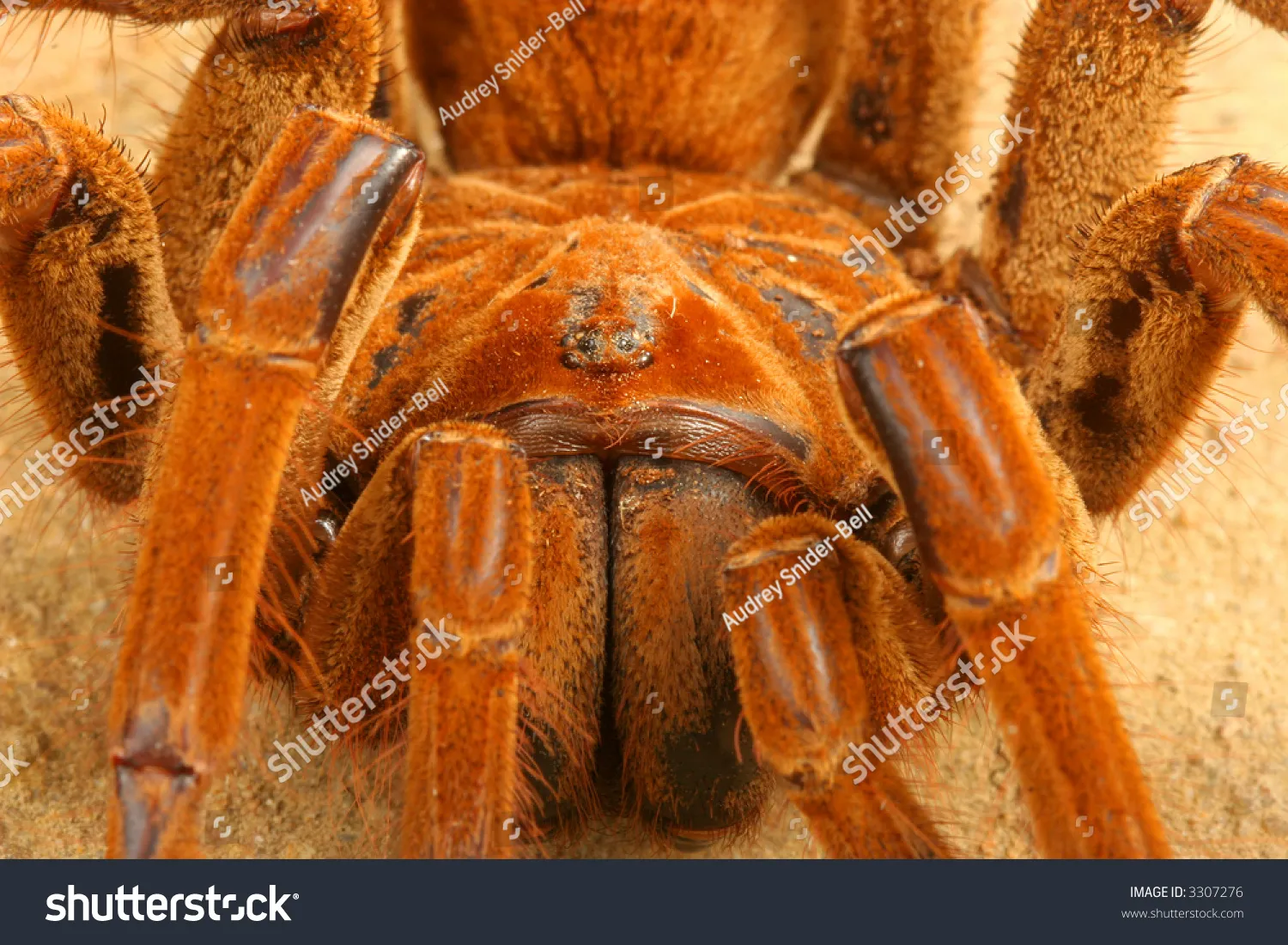
The Goliath birdeater, Theraphosa blondi, holds the title of the world’s largest spider by mass, with a body length that can reach up to 4.8 inches (12 cm) and a leg span that can exceed 12 inches (30 cm). These massive arachnids are covered in bristly hairs that range in color from light brown to dark brown. Their formidable size is matched by their impressive fangs, which can be over an inch long. When threatened, the Goliath birdeater can also rub its legs against its abdomen to release urticating hairs, causing irritation. The goliath birdeater, with its imposing physique, is a true marvel of nature, a testament to the evolutionary adaptations that have allowed it to thrive in its environment. It’s a sight that commands respect and awe.
Goliath Birdeater: Physical Characteristics

Beyond its size, the Goliath birdeater presents a robust build, with thick legs and a large, hairy abdomen. Their chelicerae, or fangs, are noticeably powerful, designed to pierce and inject venom into their prey. The spider’s coloration often helps it blend into its surroundings, providing camouflage in the rainforest floor. Additionally, they have a number of small eyes, which allow them to see movement, but are not great for seeing detailed images. They rely heavily on sensory hairs on their legs to detect vibrations and movement around them, helping them to hunt. Overall, the goliath birdeater is a magnificent creature, a perfect example of natural selection at work.
Size and Appearance of Tarantula Hawk
The tarantula hawk wasp, belonging to the genus Pepsis, is also a formidable contender. While not as massive as the Goliath birdeater, it’s still a large insect, with a body length that can reach up to 2 inches (5 cm) and a wingspan of up to 4 inches (10 cm). They are known for their striking appearance, with a dark blue or black body and vibrant orange or reddish wings. Their powerful legs are designed for digging and carrying their prey. The tarantula hawk’s imposing size and vivid coloration serve as a warning to potential predators, an advertisement of its potent sting. The tarantula hawk is a remarkable insect, possessing a rare combination of beauty and power.
Tarantula Hawk: Physical Characteristics
The tarantula hawk wasp’s appearance is quite distinct, easily recognizable by its coloration and elongated legs. Their stingers, which are used for both defense and to paralyze their prey, are remarkably long and sharp. The iridescent colors of the wings and body also give it a sheen that helps it stand out. Their physical features are perfectly adapted to their lifestyle. The tarantula hawk showcases an impressive combination of speed, strength, and agility, allowing it to hunt effectively and thrive in its environment.
Goliath Birdeater vs Tarantula Hawk Habitat

Both the Goliath birdeater and the tarantula hawk are primarily found in the Americas, but their specific habitats differ significantly. The Goliath birdeater prefers tropical rainforests and swamps in South America, including countries such as Brazil, Venezuela, Guyana, and Suriname. The tarantula hawk has a wider range, found throughout the southwestern United States, Central America, and South America. These habitats offer the necessary conditions for each creature to thrive, from abundant food sources to suitable places for nesting and hunting. The differences highlight their unique ecological roles.
Goliath Birdeater Habitat
The Goliath birdeater is a ground-dwelling spider, constructing burrows in the earth, often near the base of trees or under rocks. These burrows offer protection from predators and the elements. The humid environment of the rainforest provides the ideal conditions for the spider’s survival, allowing it to stay hydrated and hunt effectively. They are primarily nocturnal, coming out at night to hunt. Their habitat must provide the right balance of cover, moisture, and prey availability, all of which are essential for survival.
Tarantula Hawk Habitat
Tarantula hawks are commonly found in arid and semi-arid environments. They build nests in the ground or in pre-existing cavities, often in sandy or loamy soils. These wasps are known to be active during the day. The open areas, with their abundance of sunlight and readily available nesting sites, create an optimal habitat. Their environment is crucial for their survival, providing access to both prey and suitable locations for their lifecycle.
Goliath Birdeater vs Tarantula Hawk Diet

The diets of the Goliath birdeater and the tarantula hawk represent very different feeding strategies. The Goliath birdeater is an opportunistic predator, meaning it will eat whatever it can catch. On the other hand, the tarantula hawk is a specialist, focusing on a single prey item: tarantulas. This dietary specialization shows their unique roles in their ecosystems.
What Does Goliath Birdeater Eat
Despite its name, the Goliath birdeater rarely eats birds, though they may occasionally prey on small ones. More commonly, their diet consists of large insects, earthworms, and other invertebrates. In the wild, they will hunt whatever they can subdue, and in captivity, they’re often fed insects such as crickets and roaches. They wait for prey to come close and ambush them. Their powerful fangs and venom help to quickly subdue their victims.
What Does Tarantula Hawk Eat
The tarantula hawk, as its name suggests, has a diet almost entirely based on tarantulas. The female wasp will actively hunt tarantulas, paralyzing them with a sting before dragging them to a burrow. She will then lay a single egg on the tarantula’s abdomen. The wasp larva then hatches and consumes the still-living tarantula, becoming a gruesome but effective means of ensuring the wasp’s survival. These wasps are masters of their ecosystem, specializing in a single prey species.
Goliath Birdeater vs Tarantula Hawk Behavior

The behavioral patterns of these creatures reveal a significant contrast. The Goliath birdeater is generally a solitary creature, preferring to stay hidden in its burrow. The tarantula hawk, while solitary in its hunting, exhibits a complex life cycle involving the capture and preparation of its prey. Their differing behaviors show their adaptations.
Goliath Birdeater Behavior
The Goliath birdeater is primarily nocturnal, spending its days in burrows. They are ambush predators, waiting patiently for prey to come within striking distance. They’ll retreat if they feel threatened but are also capable of defensive behaviors. They are relatively docile creatures. They primarily use their fangs to inject venom into their prey. They may also release irritating hairs as a defense mechanism, often as a last resort.
Tarantula Hawk Behavior
The tarantula hawk is known for its dramatic hunting behavior. The female wasp will seek out tarantulas, engaging in a fierce battle. When she successfully stings and paralyzes the tarantula, she then drags it back to her burrow. This is where she lays her egg. The larva will then feed on the paralyzed tarantula. The tarantula hawk’s life cycle shows an incredible adaptation to its specific prey. These wasps are active during the day and spend their time searching for tarantulas to parasitize.
Goliath Birdeater vs Tarantula Hawk The Fight

If the two were to engage in a direct fight, it would be a brutal and highly unusual event. The outcome would likely be influenced by many factors, including the size and health of each individual, the environment, and a bit of luck. Here’s what a theoretical fight might look like. In a confrontation, the Goliath birdeater’s sheer size and powerful fangs could be a significant advantage, allowing it to inflict serious damage. The tarantula hawk, on the other hand, possesses a formidable sting, known to be one of the most painful in the insect world. However, given the spider’s size and defense, the wasp would need multiple successful stings to overcome its defenses. The outcome is very uncertain.
Goliath Birdeater Defense Mechanisms
The Goliath birdeater’s primary defense is its size and powerful chelicerae, which can inflict a painful bite. They also have urticating hairs on their abdomen, which they can flick towards a threat, causing intense irritation to the eyes and skin. The spider also relies on its camouflage and burrowing ability to hide from potential predators. The Goliath birdeater is well-equipped with defenses to deter predators and protect itself in the wild.
Tarantula Hawk Defense Mechanisms
The tarantula hawk’s defense centers around its sting, which is incredibly painful and can paralyze its prey. The wasp also has a tough exoskeleton and the ability to fly quickly, allowing it to escape threats. Its coloration, which is a warning signal, also deters attacks from other animals. Their defenses are all designed to ensure their survival. They have a very formidable arsenal against the predators.
Summary & Conclusion

In the showdown of Goliath birdeater vs. tarantula hawk, both creatures showcase remarkable adaptations that allow them to thrive in their environments. The Goliath birdeater, with its sheer size and powerful fangs, is a formidable predator. The tarantula hawk, with its specialization and potent sting, represents a different kind of power. They are different, but both have adapted to thrive in their environment. The Goliath birdeater’s strategy is brute force. The tarantula hawk uses its unique strategy to win. These titans of the insect world demonstrate the incredible diversity and the evolutionary forces that shape our planet. The balance of nature relies on the unique characteristics of each creature. The study of nature is the study of marvels.