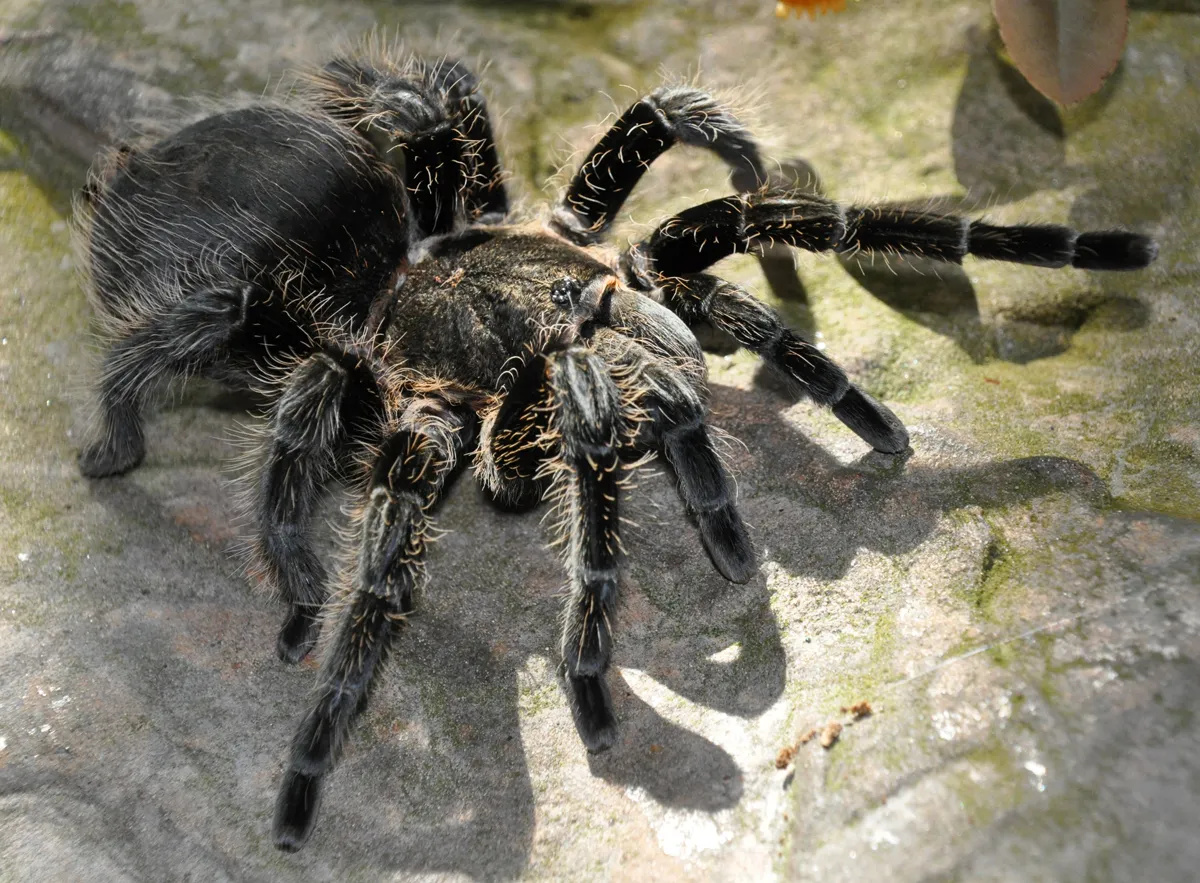
Goliath Birdeater Tarantula An Overview
The Goliath birdeater tarantula (Theraphosa blondi) is the world’s largest spider, a formidable arachnid native to the rainforests of northern South America. Known for its impressive size and intimidating appearance, this spider has captured the fascination of both arachnophobes and enthusiasts alike. Despite its common name, which suggests a diet of birds, the Goliath birdeater primarily feeds on insects, other invertebrates, and occasionally small vertebrates. Its massive size, reaching up to 12 inches in leg span and weighing over 6 ounces, makes it a remarkable creature in the animal kingdom. While the Goliath birdeater presents a fascinating subject of study, it is important to separate fact from fiction about its venom and its potential danger to humans.
Physical Characteristics
The Goliath birdeater is easily recognizable due to its sheer size and robust build. Its body is covered in dense, reddish-brown hairs that provide both camouflage and sensory input. The spider possesses eight eyes arranged in two rows, providing a wide field of vision, crucial for hunting and detecting threats. Powerful chelicerae, or fangs, are used to inject venom and break down prey. The legs are thick and strong, enabling the spider to move quickly and climb effectively. These physical attributes are a testament to its predatory lifestyle and its ability to survive in the challenging rainforest environment. Understanding these characteristics helps appreciate how this incredible spider has evolved and adapted to thrive.
Habitat and Distribution

Goliath birdeaters are found in the rainforests of northern South America, including countries like Brazil, Venezuela, Guyana, Suriname, and French Guiana. They prefer humid environments and are typically found in burrows or under rocks, logs, or leaf litter. The rainforest environment provides an abundance of prey and ample hiding places, which are essential for the spider’s survival. These spiders are nocturnal hunters, emerging from their shelters at night to forage for food. The preservation of their natural habitat is crucial for maintaining the populations of these magnificent creatures and ensuring the biodiversity of the rainforest ecosystem.
Is the Goliath Birdeater Tarantula Poisonous?
The term “poisonous” is often misused when referring to venomous creatures. In biology, “poisonous” refers to organisms that are harmful when ingested or touched, whereas “venomous” refers to creatures that inject toxins through a bite or sting. Therefore, the correct term to use when describing the Goliath birdeater is venomous, not poisonous. Goliath birdeaters possess venom, which they use to subdue prey. However, the venom is not considered highly dangerous to humans, though it can cause some unpleasant symptoms.
The Nature of Tarantula Venom
Tarantula venom is a complex mixture of proteins, enzymes, and other compounds designed to paralyze and digest prey. This complex cocktail varies slightly between different species of tarantulas, but the primary function is to incapacitate the prey. The venom works by affecting the nervous system and causing paralysis, making it easier for the spider to consume its meal. While tarantula venom is effective against insects and small animals, its effects on humans are usually less severe, although individual reactions can vary.
Venom Composition

The venom of the Goliath birdeater, like other tarantulas, is composed of a mixture of enzymes, peptides, and other bioactive compounds. The exact composition is complex and not fully understood, but it is known to include neurotoxins that affect the nervous system of the prey. These neurotoxins disrupt the transmission of nerve signals, leading to paralysis. Additionally, the venom contains enzymes that aid in the breakdown of the prey’s tissues, facilitating digestion. Research into the specific components of tarantula venom is ongoing, aiming to understand their effects and potential medical applications.
Effects of a Goliath Birdeater Bite
While not life-threatening to humans, a bite from a Goliath birdeater can be quite unpleasant. The severity of the reaction can depend on several factors, including the amount of venom injected, the individual’s sensitivity, and the location of the bite. The immediate effects are usually localized to the bite area, and systemic symptoms are rare. It is important to be cautious around these spiders and avoid any unnecessary handling.
Symptoms
Common symptoms of a Goliath birdeater bite include intense pain at the bite site, accompanied by redness, swelling, and itching. Some individuals may experience muscle cramps, and in rare cases, nausea or dizziness. The pain can be significant, but it typically subsides within a few hours to a day. Allergic reactions, although uncommon, can include more severe symptoms. If someone experiences a severe reaction, medical attention should be sought immediately.
Treatment

Treatment for a Goliath birdeater bite focuses on alleviating the symptoms. Cleaning the bite area with soap and water is the first step to prevent infection. Applying a cold compress can help reduce pain and swelling. Over-the-counter pain relievers, such as ibuprofen or acetaminophen, can help manage the discomfort. Antihistamines may be used if there is an allergic reaction. Seeking medical advice is recommended, especially if symptoms are severe or prolonged. In most cases, the symptoms will resolve on their own within a few days.
Goliath Birdeater Tarantula Other Defenses
Besides its venom, the Goliath birdeater employs other defensive mechanisms to protect itself from predators. These defense mechanisms are crucial for its survival in the wild. Being aware of these can help minimize the risk when interacting with these creatures.
Urticating Hairs
Goliath birdeaters, like many New World tarantulas, possess urticating hairs on their abdomen. When threatened, the spider flicks these hairs at perceived threats. These hairs are barbed and cause intense itching and irritation upon contact with skin or eyes. These hairs are a significant deterrent for predators and a key defense mechanism.
Fangs and Bite

The Goliath birdeater’s fangs are large and sharp, capable of delivering a painful bite. While the bite itself is not deadly to humans, the size of the fangs can cause significant trauma. The spider will only bite when provoked or threatened. The fangs are used to inject venom but also to physically subdue prey. The bite is a last resort defense mechanism.
Top 5 Facts About Goliath Birdeater Tarantula Venom
Fact 1 Mild Toxicity
The venom of the Goliath birdeater is considered to have mild toxicity to humans. It is primarily designed to subdue prey rather than to be a potent threat to larger animals like humans. The effects are usually localized and not life-threatening.
Fact 2 Local Effects

The primary effects of a Goliath birdeater bite are usually localized to the area of the bite. This includes pain, swelling, redness, and itching. Systemic symptoms are rare, which means the effects are generally limited to the bite site and don’t spread throughout the body.
Fact 3 Allergic Reactions
While uncommon, allergic reactions to tarantula venom can occur. These reactions may cause more severe symptoms, such as hives, difficulty breathing, or swelling of the face and throat. Anyone experiencing such symptoms should seek immediate medical attention.
Fact 4 Rare Fatalities
There have been extremely rare instances of fatalities attributed to tarantula bites, but these are typically related to severe allergic reactions or secondary infections. For the average healthy adult, the risk of a fatal outcome from a Goliath birdeater bite is very low.
Fact 5 Not Lethal to Humans

The Goliath birdeater’s venom is not lethal to humans in most cases. The primary effects are localized discomfort and pain. This makes it a fascinating creature, not a deadly one. Its bite serves as a warning, more than a weapon of death.
Conclusion
The Goliath birdeater tarantula is a remarkable creature that is both fascinating and intimidating. Understanding its venom and other defense mechanisms helps to appreciate this incredible spider and to interact with it safely. While the venom is not highly dangerous to humans, caution is always recommended when dealing with these amazing creatures.