What is the Goliath Birdeater Tarantula?
The Goliath birdeater tarantula, Theraphosa blondi, is a giant spider native to the rainforests of northern South America. As its name suggests, it is one of the largest spider species in the world, renowned for its impressive size and intimidating appearance. Despite its common name, the Goliath birdeater’s diet typically consists of insects and other invertebrates, although it has been known to occasionally consume small vertebrates, including birds. These massive arachnids are a fascinating subject of study and a unique creature in the animal kingdom. Their existence sparks both curiosity and caution, as they are a testament to the incredible diversity and sometimes intimidating beauty of the natural world. The Goliath birdeater’s size and power make it a captivating subject for both scientific exploration and the wonder of nature enthusiasts.
Physical Characteristics
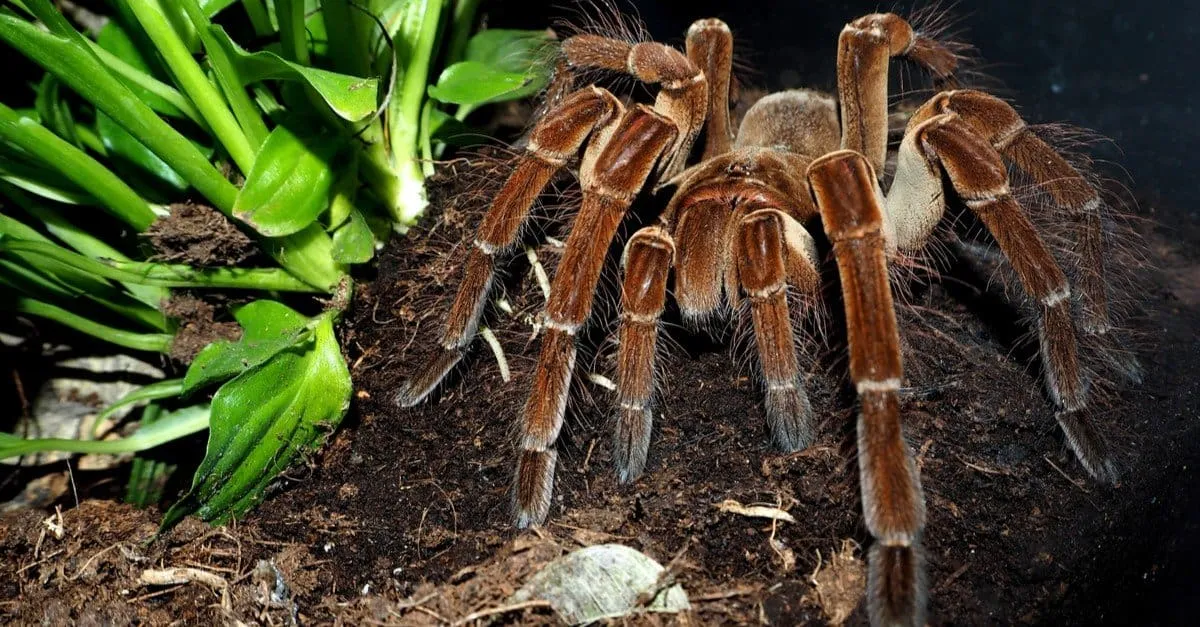
The Goliath birdeater is a truly remarkable creature. Its size alone sets it apart, making it a spectacle in the world of spiders. Their bodies are covered in dense hairs, providing both sensory input and a means of defense. The coloring typically ranges from dark brown to a lighter tan, often blending seamlessly with their forest surroundings. The chelicerae, or fangs, are substantial and designed for capturing and subduing prey. Examining the physical characteristics of this creature provides insight into its survival strategies. The Goliath birdeater’s adaptations are a testament to its evolutionary success, making it a fascinating subject of study. The sheer scale of the spider commands attention, highlighting its dominant presence within its habitat.
Size and Weight

One of the most striking features of the Goliath birdeater is its sheer size. With a leg span that can reach up to 12 inches or more, it’s one of the largest spiders on the planet. The body length alone can be several inches. The weight can be equally impressive, with some specimens tipping the scales at over 6 ounces. This bulk gives the Goliath birdeater a commanding presence. The spider’s size is a key factor in its hunting success and its ability to deter potential predators. The Goliath birdeater’s size and weight is a clear demonstration of the adaptability of the arachnid. It’s a prime example of nature’s impressive feats of engineering, and a testament to the evolutionary path.
Appearance and Coloration
The Goliath birdeater’s appearance is as captivating as its size. Their bodies are typically a deep brown hue, sometimes with reddish or tan highlights. This coloration provides excellent camouflage within their forest habitats, helping them to ambush prey and evade predators. The bodies are covered with a dense layer of hairs, which also help them with sensing movement and vibrations in their surroundings. They also have a characteristic set of large fangs, used to inject venom and subdue their prey. Looking at images of the Goliath birdeater emphasizes the striking appearance. It’s a wonderful example of the beauty that can be found in the natural world. The coloring and other features of the Goliath birdeater have evolved over time, reflecting the survival strategies the spider uses.
Habitat and Distribution
The Goliath birdeater’s presence is tied to the rainforests of northern South America. The spider thrives in specific environmental conditions, dictating where it can survive and flourish. Its natural habitat is essential for its survival, as it provides everything the Goliath birdeater needs for survival. The distribution of the Goliath birdeater is therefore restricted to regions that provide this ideal environment, which also makes them more vulnerable to habitat loss. Therefore understanding their habitat is crucial. It is a critical aspect of their conservation, demonstrating their importance in the ecosystem and their role in the natural world.
Natural Habitat

The Goliath birdeater’s natural habitat is characterized by a warm and humid environment. They primarily inhabit rainforests, where they create burrows in the ground or utilize pre-existing holes, under logs, or amongst the roots of trees. This provides shelter from the elements and protection from predators. The forest floor provides them with ideal conditions to hunt and ambush their prey. The habitat requirements are specific to the spider’s needs for survival. The spider’s existence showcases the delicate balance within rainforest ecosystems. The Goliath birdeater’s habitat is a testament to its ability to adapt and thrive in a specific environment.
Geographic Range
The Goliath birdeater’s geographic range is concentrated in northern South America, specifically in countries like Brazil, Venezuela, Guyana, Suriname, and French Guiana. Within this region, they are found in areas with the proper habitat conditions, which includes humid rainforests. This restricted range highlights the importance of conservation efforts, to protect these habitats. Understanding their geographic range is important for studying the population and the spider’s conservation status. The Goliath birdeater’s distribution is influenced by factors. These factors include climate, food availability, and the presence of other species.
Diet and Feeding Habits
Despite its name, the Goliath birdeater’s diet primarily consists of insects, other invertebrates, and occasionally small vertebrates. This varied diet reflects the spider’s adaptability and its role as a predator. They are ambush hunters. They patiently wait for prey to come within striking distance. These feeding habits play a significant role in maintaining balance within their ecosystem. Learning about the Goliath birdeater’s diet offers insight into its behavior and the spider’s role in the food chain. Goliath birdeaters show how important it is for a species to find a diverse food source. It is an important factor for survival, demonstrating the intricate interactions within nature.
What They Eat

The Goliath birdeater’s diet is diverse. They primarily feed on insects, which include crickets, beetles, and other spiders. In some cases, they consume small vertebrates like frogs, lizards, and even small birds. Their powerful fangs and venom are used to subdue and paralyze prey. They then use digestive enzymes to break down the food. The Goliath birdeater’s menu depends on the size of the spider. It also depends on the prey that’s available in their habitat. The spider’s diverse eating habits showcase its adaptability in their environments. These eating habits are crucial to the survival of the Goliath birdeater. They also demonstrate its significance within the local food web.
Hunting Techniques
The Goliath birdeater’s hunting techniques are a combination of patience and precision. They are ambush predators, meaning they wait for prey to come close. They have sensory hairs on their legs, which detect vibrations in the ground. This helps them identify the presence of potential prey. When a target is within range, the spider swiftly attacks, using its large fangs to inject venom and paralyze the victim. They then use digestive enzymes to break down the prey for easier consumption. The Goliath birdeater’s techniques are designed for efficiency, reflecting its role as an apex predator. This ability to hunt in this fashion helps the Goliath birdeater survive. It ensures they can catch prey in their natural environment.
Venom and Defense
The Goliath birdeater relies on both venom and defensive behaviors to protect itself. While their venom is not lethal to humans, it can still be painful. The defensive strategies show their ability to avoid harm. These are a part of the spider’s survival methods. The Goliath birdeater has evolved effective defense mechanisms to survive in its natural habitat. This is a testament to the power of natural selection.
Venom Potency

The Goliath birdeater’s venom is primarily designed to subdue prey. The effects are similar to a wasp sting, with localized pain, redness, and swelling at the bite site. While it’s not deadly to humans, the venom can be quite unpleasant. The venom’s composition is a key factor in its effectiveness. Its potency helps the spider to incapacitate insects and small vertebrates quickly. The Goliath birdeater’s venom is an important factor of its hunting success and its ability to defend itself. The venom is made to serve the Goliath birdeater’s needs and survival.
Defensive Behaviors
The Goliath birdeater has a range of defensive behaviors. When threatened, they will raise their front legs, exposing their fangs and appearing more intimidating. They can also rub their hind legs against their abdomen, releasing urticating hairs that irritate the skin and eyes of potential predators. If they feel more threatened, they will move into a striking posture. The Goliath birdeater’s defensive strategies are crucial for its survival. These behaviors demonstrate its adaptability, showcasing the spider’s success. The behaviors are a great display of its defensive measures. This is a testament to its survival and adaptation in its environment.
Captivity and Care
Keeping a Goliath birdeater is a serious undertaking. These spiders are impressive, but they require specialized care to ensure their well-being. The commitment involves providing the proper environment, which includes a suitable enclosure, appropriate temperature and humidity levels, and a steady supply of food. These are crucial for their overall health. The details involved are also important to consider, like ethical factors. If one is thinking about caring for a Goliath birdeater, understanding how to care for them is crucial. It ensures that the spider can live in the right conditions.
Keeping Goliath Birdeaters

Keeping a Goliath birdeater demands a specific environment, which includes a large, secure enclosure. It must have a substrate, a hiding place, and a shallow water dish. Temperature and humidity levels must be maintained within a specific range, replicating their natural habitat. Their diet consists of insects, such as crickets and mealworms, and occasional small vertebrates, depending on the spider’s size. The keeper’s attention and care are essential, ensuring these spiders can thrive. These specific care requirements are critical to their well-being and longevity. The proper care will help the Goliath birdeater thrive.
Ethical Considerations
Ethical considerations are important when it comes to keeping exotic animals. It’s essential to ensure that the spider’s needs are met, and that the environment is enriched, supporting the natural behaviors of the Goliath birdeater. Responsible ownership includes getting spiders from reputable sources. This means avoiding capturing them from the wild, as this can negatively affect wild populations. Owners must also understand the safety aspects, like the potential dangers of keeping this species. If people keep these animals, it is their responsibility to do their best. This is important for the spider’s survival, and it highlights their importance in the environment.
Conclusion
The Goliath birdeater tarantula is a remarkable species, showcasing the incredible diversity of the natural world. From its impressive size and appearance to its fascinating hunting techniques and defensive behaviors, this giant spider is a captivating subject of study. By understanding its habitat, diet, and care requirements, we gain a deeper appreciation for this extraordinary creature. Conservation efforts are crucial to protect its future, and we must approach their care. This helps to ensure that future generations can appreciate the marvel of the Goliath birdeater tarantula and the wonders of our planet. This is a testament to the incredible complexity of life on Earth.