What Do Mexican Red Knee Tarantulas Eat
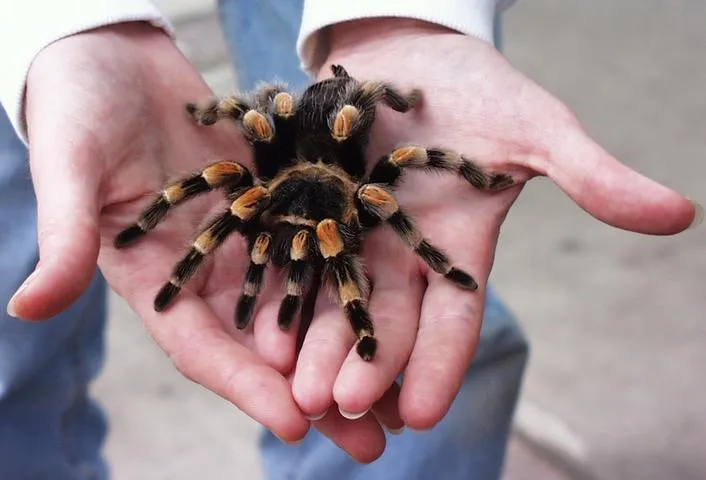
The Mexican Red Knee Tarantula (Brachypelma hamorii), with its striking red and black markings, is a captivating pet for many. Understanding their dietary needs is crucial for their health and longevity. In their natural habitat, these tarantulas are opportunistic predators, consuming whatever prey they can capture. Providing a balanced diet that mimics their natural eating habits is essential for keeping your Red Knee thriving. This guide dives deep into the specifics of a healthy Mexican Red Knee Tarantula diet, ensuring you can provide the best care possible for your eight-legged friend. Ensuring your tarantula has the correct food and hydration is the first step in owning one.
The Natural Diet of Mexican Red Knee Tarantulas
In the wild, Mexican Red Knee Tarantulas are ambush predators. They sit and wait for prey to wander within striking distance. Their diet is primarily composed of insects and other small invertebrates they find in the arid environments they inhabit. Replicating this natural diet in captivity is the key to keeping your tarantula happy and healthy. Understanding what they eat naturally helps in making the best choices for their captive diet, avoiding the pitfalls that come with feeding inappropriate foods, and ensuring they get the nutrients they need to live a long and healthy life. The diet should replicate their natural diet as closely as possible.
Insects

Insects form the cornerstone of a Mexican Red Knee Tarantula’s diet in the wild. Crickets, grasshoppers, and other readily available insects are their primary food source. These insects provide essential protein and nutrients that are vital for growth, molting, and overall health. In captivity, providing a variety of insects helps ensure a balanced diet. Using commercially available insects such as crickets and mealworms can be convenient and safe. Make sure the insects are gut-loaded (fed nutritious food before being fed to the tarantula) to provide optimal nutrition. Always ensure the insects are free of pesticides or other harmful substances.
Other Small Creatures
While insects are the main staple, Mexican Red Knee Tarantulas may occasionally consume other small creatures. This could include small lizards, baby mice (pinkies), or other invertebrates they can overpower. These additions to their diet can provide extra variety and nutrients. Feeding pinkies should be done sparingly, as they are high in fat and can lead to health issues if overfed. Always ensure any prey items are appropriately sized to prevent injury to the tarantula. Monitor your tarantula to ensure the prey is fully consumed, as uneaten food can attract mites or other pests to the enclosure. Variety is key, but moderation and appropriate sizing are vital.
How to Feed Your Tarantula
Feeding your Mexican Red Knee Tarantula is a straightforward process, but certain considerations are essential to ensure its health and well-being. The frequency and type of food you offer play significant roles in your tarantula’s overall health. Creating a consistent feeding schedule and providing a varied diet can contribute to your tarantula’s longevity. The size of the prey items, the nutritional value of the food, and the overall safety of the process are all crucial aspects to consider when feeding. Make sure you’re providing the right environment and food. Understanding these factors can help you avoid common pitfalls and keep your pet thriving.
Choosing the Right Insects

The insects you select for your tarantula’s diet should be healthy and nutritious. Crickets and mealworms are readily available and commonly used. Before feeding, it’s beneficial to gut-load the insects with nutritious food like fresh vegetables, fruits, and commercial insect food. This enriches the insects, passing on essential nutrients to your tarantula. Avoid feeding wild-caught insects, as they might contain pesticides or parasites. Always ensure the insects are alive and active when you feed them, as this stimulates your tarantula’s hunting instinct. Regularly assess the quality of the insects you are feeding, as their nutritional value significantly impacts the tarantula’s health.
Size Matters
Selecting the appropriate prey size is critical to prevent injury to your tarantula. As a general rule, the insects should be no larger than the tarantula’s abdomen. Offering prey that is too large can stress the tarantula and even lead to injury during the hunting and feeding process. Juvenile tarantulas require smaller prey items, such as pinhead crickets or small mealworms. As the tarantula grows, you can gradually increase the size of the prey. It’s crucial to monitor your tarantula while it’s eating and remove any uneaten prey after 24 hours to prevent stress and potential harm. Ensure you have correctly sized prey to the correct size of tarantula.
Nutritional Value
The nutritional value of the insects you feed your tarantula directly affects its health. Crickets, mealworms, and other insects have varying nutritional profiles. Supplementing their diet with calcium and vitamins is often recommended, especially for juvenile tarantulas and those that are molting. Gut-loading the insects before feeding them to your tarantula is an excellent way to boost their nutritional value. This ensures that your tarantula receives a balanced intake of essential nutrients, promoting healthy growth, strong exoskeletons, and overall vitality. Research the specific nutritional needs of tarantulas to provide the best possible diet.
Feeding Frequency

The frequency of feeding depends on the age and size of your Mexican Red Knee Tarantula. Juvenile tarantulas require more frequent feedings than adults. Young tarantulas may be fed every other day or every few days. As they mature, you can reduce the frequency to once a week or even less. It’s essential to observe your tarantula’s feeding behavior. If it consistently refuses food, it may be a sign that it’s about to molt or that the feeding frequency is too high. Adjust the feeding schedule accordingly. Providing the correct frequency is vital in keeping your tarantula healthy and happy.
How Often to Feed
Determining how often to feed your Mexican Red Knee Tarantula is vital. For juveniles, feeding every two to three days is generally suitable. This allows them to grow and develop properly. For sub-adults and adults, feeding once a week or every other week is typically sufficient. Monitor your tarantula’s abdomen, which should appear rounded but not excessively large. Overfeeding can lead to health problems, while underfeeding can hinder growth. If your tarantula refuses food, it could be a sign that it is about to molt. Always remove uneaten food after 24 hours to prevent mold or mites.
Water and Supplements
Providing fresh water and considering appropriate supplements is essential for your Mexican Red Knee Tarantula’s well-being. Water is as important as food, and ensures proper hydration and contributes to the molting process. Certain supplements can provide additional nutrients and promote healthy growth. It is important to keep these in mind when caring for your tarantula. It is vital to ensure their long and healthy life. This aspect of their care contributes significantly to the overall health and longevity of your pet.
Importance of Water

Water is essential for all living creatures, and Mexican Red Knee Tarantulas are no exception. They require a constant supply of fresh, clean water. Providing a shallow water dish with fresh water is a must. Ensure the water dish is shallow enough to prevent drowning, especially for juveniles. Regularly clean and refill the water dish to prevent the buildup of bacteria and other contaminants. A consistent water source is critical for maintaining hydration, aiding in the molting process, and supporting overall health. Fresh water helps the tarantula to maintain good health and longevity.
Supplements
While a varied insect diet can provide many of the necessary nutrients, some supplements can benefit your Mexican Red Knee Tarantula. Calcium and vitamin supplements are especially beneficial for juvenile tarantulas and those that are molting. These can help support exoskeleton development and overall health. You can dust the insects with a calcium/vitamin D3 supplement before feeding them to your tarantula. Always follow the recommended dosage instructions to avoid over-supplementation, which can be harmful. Consult with an experienced tarantula keeper or veterinarian for specific advice on supplements. A varied diet and the correct supplements will provide the best care.
Handling and Safety
Handling your Mexican Red Knee Tarantula should be done with care and caution. While they are generally docile, they can bite if they feel threatened. Understanding their behavior and respecting their needs is crucial for both your safety and the tarantula’s well-being. It is crucial to prioritize safety, and being mindful of the tarantula’s well-being. Before handling, make sure you know the risks involved and that you’re comfortable with them. Knowing the tarantula’s behavior will help you avoid any issues. Always be mindful of the tarantula and yourself.
Handling Precautions

If you decide to handle your Mexican Red Knee Tarantula, be sure to do it with caution and preparation. Avoid handling your tarantula when it is about to molt, as it will be more vulnerable and stressed. Wash your hands thoroughly before and after handling to avoid transferring any harmful substances. Always handle the tarantula close to the ground or a soft surface to prevent injury if it falls. Be aware of the tarantula’s defensive behaviors, like flicking hairs or raising its front legs. Respect these warning signs and avoid any actions that might stress it. Never force your tarantula to be handled. Always ensure safety precautions are taken.
Tarantula Feeding Guide Summary
Providing the right diet is essential for a healthy and happy Mexican Red Knee Tarantula. By understanding their natural diet, choosing the right prey, and ensuring proper feeding practices, you can create an ideal environment for your pet. Remember to offer a variety of insects, gut-load them for added nutrition, provide fresh water, and consider supplements. Always prioritize the tarantula’s safety and avoid overhandling. With this guide, you can provide your Mexican Red Knee Tarantula with everything it needs to thrive. Creating a consistent and safe environment will help your tarantula thrive. Following these guidelines will help you be a great tarantula owner.