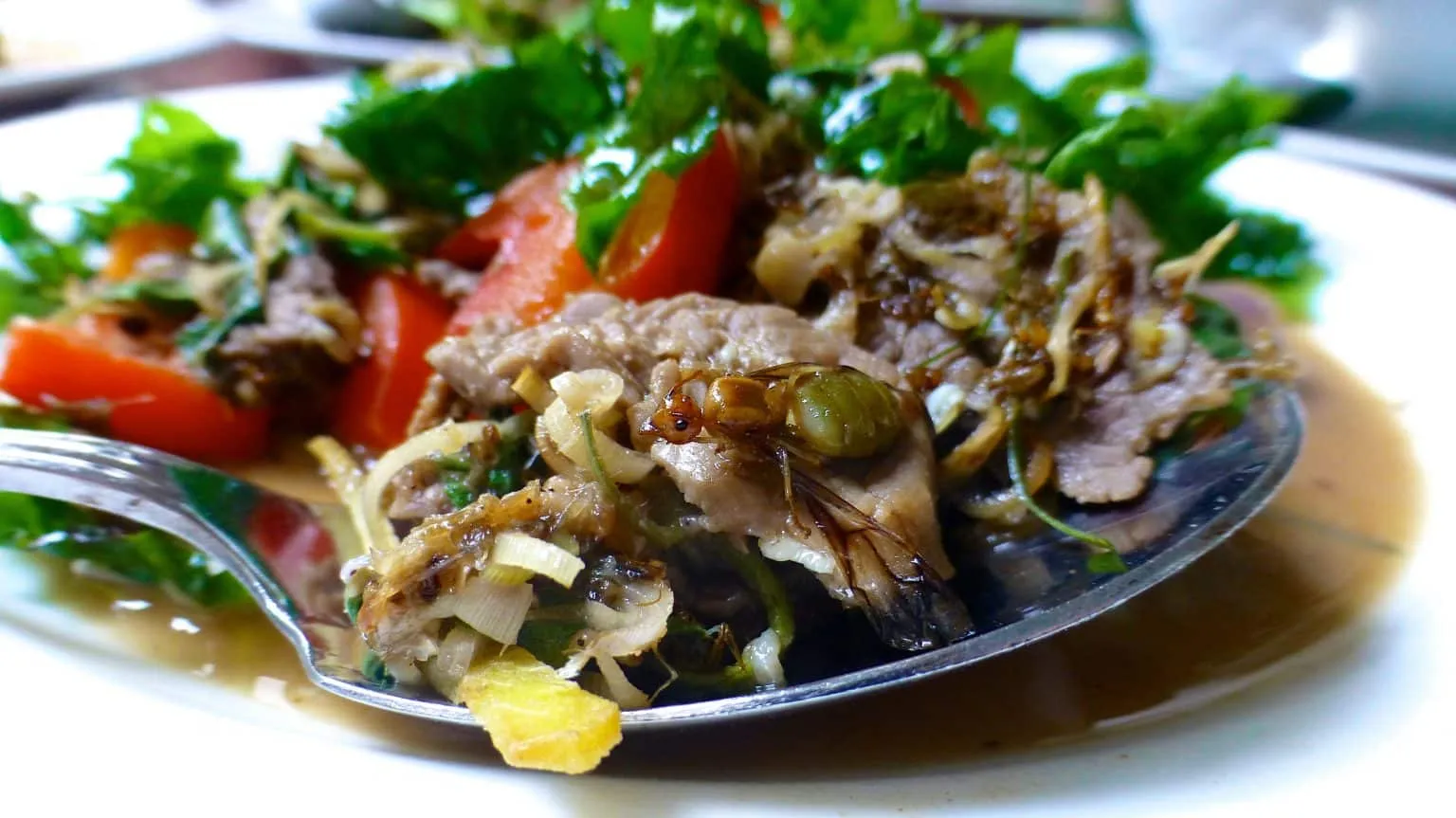
What is Deep Fried Tarantula?
Deep fried tarantula is an exotic dish that involves cooking tarantulas in hot oil until they are crispy and edible. This unique food item is gaining popularity among adventurous eaters and culinary enthusiasts around the globe. While the idea of eating a spider might seem unusual to some, deep fried tarantulas offer a unique combination of taste, texture, and cultural significance. This guide explores everything you need to know about this fascinating dish, from its origins and preparation to its cultural impact and potential health considerations. Get ready to embark on a culinary journey into the world of deep fried tarantulas and discover what makes this dish so intriguing.
Origin and History
The practice of eating tarantulas, particularly deep fried tarantulas, has deep roots in certain cultures. The origins of this dish can be traced back to countries with abundant tarantula populations and a necessity-based reliance on readily available food sources. Over time, what began as a survival strategy evolved into a cultural delicacy, with each region developing its unique recipes and preparation methods. These dishes not only provided sustenance but also became integral parts of local traditions and celebrations, passed down through generations. Understanding the history helps to appreciate the cultural significance of this unusual food.
Cultural Significance

Deep fried tarantulas hold significant cultural value in several regions, particularly in Cambodia. In this Southeast Asian country, they are more than just food; they are a symbol of resilience and cultural identity. The dish gained prominence during times of scarcity, showcasing the resourcefulness of local communities. Today, deep fried tarantulas are a popular street food and a source of local pride, often served during festivals and special occasions. They represent a connection to the past and a celebration of cultural heritage. The dish’s continued presence reflects a deep-seated respect for tradition and a willingness to embrace unique culinary experiences.
Why Eat Tarantulas?
There are several compelling reasons why people choose to eat tarantulas. For some, it’s the thrill of trying something new and adventurous. For others, it’s a cultural experience, a way to connect with different traditions and cuisines. Deep fried tarantulas also offer a unique taste and texture that many find appealing. The legs are often crispy, while the body can be surprisingly soft and flavorful. Additionally, tarantulas are a sustainable food source in regions where they are readily available. They require minimal resources to raise and can be a source of protein and nutrients, making them an attractive option for those looking to diversify their diet.
Nutritional Benefits
Tarantulas, like many insects, can be a source of valuable nutrients. They are relatively high in protein, which is essential for muscle building and repair. They also contain fats, which provide energy and help absorb vitamins. Additionally, tarantulas may offer certain micronutrients, such as iron, zinc, and magnesium, that are vital for various bodily functions. Of course, the nutritional content can vary depending on the tarantula species and the preparation method. However, when consumed as part of a balanced diet, deep fried tarantulas can contribute to overall health and well-being, especially in regions where they are a dietary staple.
Where to Find Deep Fried Tarantulas?

Popular Regions
The most famous region for deep fried tarantulas is Cambodia, specifically the town of Skuon. Here, they are a common street food and a significant part of the local economy. Other regions where tarantulas are consumed include parts of South America and Southeast Asia, where tarantulas are more common and cultural acceptance is higher. In these areas, tarantulas are often harvested or farmed and prepared using traditional recipes passed down through generations. Visiting these regions gives you the opportunity to taste the authentic deep fried tarantulas.
Restaurants and Street Food
In regions where deep fried tarantulas are popular, they can be found in various settings. Street food vendors often sell them, offering a quick and affordable taste of this unique delicacy. Restaurants, both local eateries and those catering to tourists, also feature deep fried tarantulas on their menus. These establishments often prepare the tarantulas using traditional methods, sometimes adding their own special seasoning or flavors to enhance the experience. Finding deep fried tarantulas is often an easy and enjoyable experience. Always ensure the vendor or restaurant is reputable to ensure food safety and quality.
How to Prepare Deep Fried Tarantula

Ingredients Needed
The ingredients for deep fried tarantulas are quite simple. The primary ingredient, of course, is the tarantula itself. Other common ingredients include oil for frying, garlic, salt, sugar, and sometimes chili peppers or other spices for flavoring. Some recipes may also include ingredients like MSG for added umami. The best tarantulas are those that have been properly cleaned and prepared before cooking. Always make sure that the tarantulas have been sourced safely to avoid any health risks. Preparing and using fresh ingredients is key to ensuring a safe and enjoyable culinary experience.
Step-by-Step Cooking Instructions
- Prepare the tarantulas: Rinse the tarantulas and remove the fangs. Some people remove the abdomen for a cleaner taste, but it’s a matter of preference.
- Seasoning: Marinate the tarantulas in a mixture of garlic, salt, sugar, and other spices for at least 30 minutes to enhance the flavor.
- Frying: Heat the oil in a deep fryer or a large pan to a temperature of around 350°F (175°C).
- Frying: Carefully place the tarantulas in the hot oil and fry until they turn golden brown and crispy. This usually takes about 5-7 minutes, depending on the size.
- Serving: Remove the tarantulas from the oil and let them drain on paper towels. Serve hot, often with a dipping sauce or a side of rice. Make sure you’re careful when eating them and enjoy the crispiness.
Frying Techniques

Frying techniques for deep fried tarantulas are key to achieving the perfect texture. Deep frying in hot oil ensures that the tarantulas cook evenly and become crispy on the outside. Ensure the oil temperature is constant, so the tarantulas cook without burning. Don’t overcrowd the fryer, as this can lower the oil temperature and result in soggy spiders. Using a deep fryer ensures the tarantulas are fully submerged, leading to a more consistent texture. Also, using a thermometer will help to keep the oil at the right temperature. This will result in a satisfyingly crunchy and delicious dish.
Seasoning and Flavoring
Seasoning is critical for enhancing the flavor of deep fried tarantulas. Marinating the tarantulas in a blend of garlic, salt, sugar, and spices before frying adds layers of flavor. Some recipes use chili peppers for a spicy kick or herbs for an aromatic touch. Experimenting with different seasonings can also change the taste of the dish. A good marinade can penetrate the tarantula, ensuring that every bite is flavorful. Using fresh herbs and spices intensifies the flavor profile, offering a truly memorable culinary experience.
Taste and Texture
What Does It Taste Like?

The taste of deep fried tarantula is often described as a unique blend of flavors. Some people compare it to a cross between chicken and fish, with a slightly nutty taste. The legs are typically the crunchiest part, while the body can be softer and more flavorful. The flavor also depends on the preparation method and the seasonings used. The overall experience is a blend of savory and slightly earthy notes, often enhanced by the spices and sauces served with it. It’s a culinary adventure with a complex taste profile that keeps people coming back for more.
Texture Profile
The texture of deep fried tarantulas is as intriguing as the taste. The legs are usually crispy and crunchy, providing a satisfying bite. The body’s texture can range from soft to slightly creamy, depending on how it’s prepared. The overall textural experience is a mix of contrasts – the crispiness of the legs against the softer, richer body. This interplay of textures adds to the enjoyment, making each bite an adventure. Properly fried tarantulas achieve a balance that enhances the eating experience and provides a memorable sensation.
Potential Health Risks and Safety
Allergies and Sensitivities

Eating deep fried tarantulas carries potential health risks. People with shellfish allergies may be allergic to tarantulas, as they are both arthropods and share similar proteins. Symptoms of an allergic reaction can range from mild skin irritation to severe anaphylaxis. If you have any known allergies, it’s crucial to exercise caution before consuming tarantulas. If you experience any adverse symptoms, seek medical attention immediately. Prior to trying deep fried tarantulas, it’s advisable to consult with a healthcare professional, especially if you have a history of allergies.
Safe Consumption Guidelines
To ensure safe consumption of deep fried tarantulas, several guidelines should be followed. First, ensure the tarantulas come from a reliable source and have been properly cleaned and prepared. Avoid consuming tarantulas that appear undercooked or improperly handled. Start with a small portion to assess your tolerance and watch for any allergic reactions. It’s wise to consume deep fried tarantulas as part of a balanced diet. Children and pregnant women should exercise extra caution. Always consult with a healthcare professional if you have concerns about food safety.
Deep Fried Tarantula in Popular Culture
Movies and TV Shows
Deep fried tarantulas have made appearances in movies and TV shows, often as a symbol of exotic cuisines or adventurous eating. These appearances can range from documentaries exploring unusual foods to fictional narratives where characters encounter and consume the dish. These depictions contribute to the dish’s popularity and contribute to the perception of tarantulas as a unique and somewhat daring food. The visual representations can spark interest and curiosity, prompting more people to learn about or even try the dish themselves. These representations often reflect and shape public perceptions, making them more accessible.
Books and Articles
Books and articles about deep fried tarantulas can be found in various publications. These publications cover its origin, preparation, and the cultural significance of the dish. Food blogs, travel guides, and culinary magazines often feature articles and recipes, providing detailed information for those interested. Academic studies also offer insights into the nutritional value, culinary practices, and cultural importance. These materials play a crucial role in educating readers. By sharing information, these publications help to demystify the dish and provide a more informed understanding of the cultural, culinary, and nutritional aspects of deep fried tarantulas.
Conclusion
Deep fried tarantula is more than just a food item; it is a testament to cultural resilience, culinary innovation, and the adventurous spirit. This guide has taken you through its origins, preparation, taste, and its cultural significance. While it may not be everyone’s cup of tea, it represents an intriguing intersection of food, culture, and adventure. Whether you’re a seasoned foodie or simply curious, deep fried tarantula offers a unique experience that expands your culinary horizons. If you ever get the opportunity, embrace the experience, and consider trying this unusual dish.