Identifying the Most Dangerous Tarantulas to Keep
Keeping a tarantula can be a fascinating hobby, but it’s crucial to understand that not all species are created equal in terms of temperament and potential risk. While most tarantulas are not inherently aggressive, some possess potent venom, defensive behaviors, or a combination of both, making them less suitable for beginners or those inexperienced with handling. This guide will highlight five tarantula species known for their potential danger, offering insights into their characteristics, venom, and the precautions necessary for responsible ownership. It’s essential to remember that responsible tarantula keeping prioritizes the well-being of both the keeper and the spider. Proper research, careful handling, and a deep respect for these creatures are paramount. Understanding the risks associated with each species is the first step toward ensuring a safe and enjoyable experience for all involved. This is not to scare potential keepers, but to inform them so they can make the most educated decision.
The Goliath Birdeater (Theraphosa blondi)
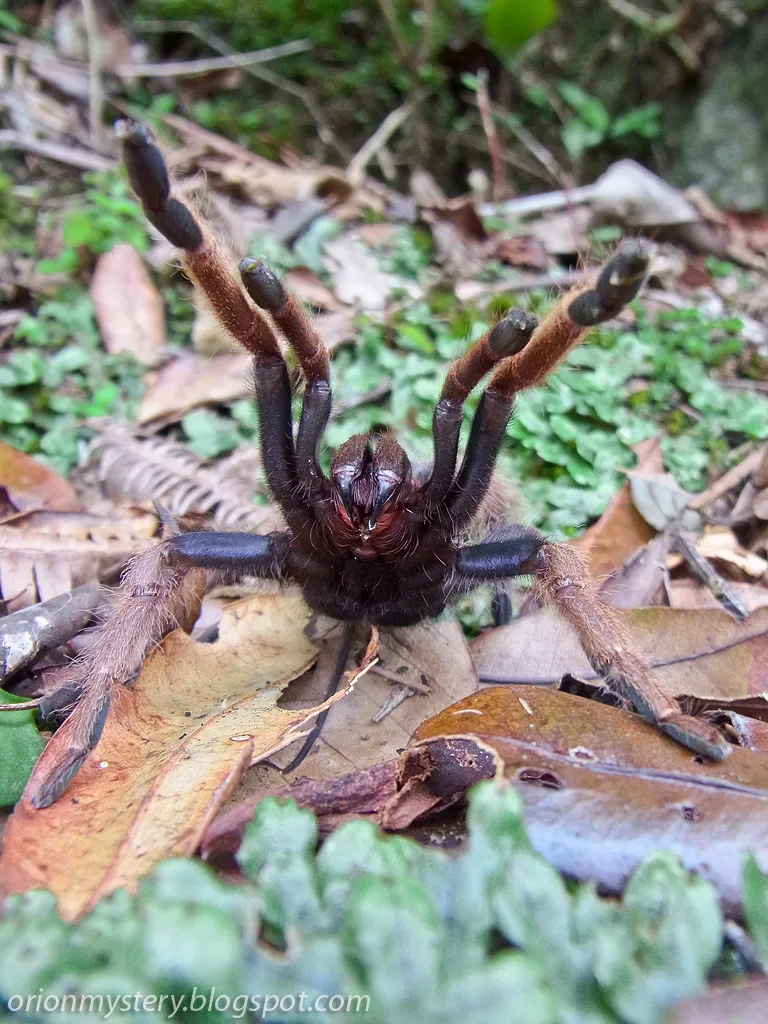
The Goliath Birdeater, native to the rainforests of South America, is the world’s largest spider by mass and is a formidable creature in terms of its size and defensive capabilities. This species is known for its impressive size, often reaching a leg span of up to 12 inches. They are typically a brown color and covered in urticating hairs, which they can flick at perceived threats. Their size alone makes them intimidating, and their defensive postures, which include raising their front legs and displaying their fangs, can be quite alarming.
Appearance and Characteristics

The Goliath Birdeater is easily identified by its massive size and brownish coloration. The males and females can be distinguished by their size difference, as the males are typically smaller. These spiders are covered in hairs, including urticating hairs on their abdomen, which they can use as a defense mechanism. Their large fangs are capable of delivering a painful bite, and they are known to be one of the most defensive tarantulas. They often come out to eat at night, which is important to know so that you can make sure you are feeding them appropriately.
Venom Potency and Effects
While the Goliath Birdeater’s venom is not considered lethal to humans, its bite can be extremely painful. The effects of a bite can include intense pain, muscle cramps, and localized swelling. The urticating hairs, which can be released into the air if disturbed, can also cause severe irritation to the skin and eyes. The severity of the reaction can vary depending on the individual and the amount of venom injected. It is important to take precautions and be prepared for any potential reactions. Medical attention should be sought if there is any extreme pain, swelling, or signs of allergic reaction.
Handling Precautions and Risks
Handling a Goliath Birdeater is generally not recommended, especially for inexperienced keepers. Their large size and defensive nature make them prone to biting, and the urticating hairs can cause significant discomfort. If handling is necessary, it should be done with extreme caution, using long tongs and avoiding sudden movements. Always handle them near the floor or a surface where a fall would not be harmful. Always keep in mind that even experienced keepers can be bitten. It is highly advised that you do not handle this species, as bites are very painful and can sometimes cause muscle cramps and other discomforts.
The Pinkfoot Goliath (Theraphosa apophysis)

Similar in size and temperament to the Goliath Birdeater, the Pinkfoot Goliath presents similar risks. This species is also from South America and is recognized for its large size and reddish-pink coloration on its feet. Its overall appearance is similar to the Goliath Birdeater, but the Pinkfoot Goliath has distinct pink coloration on the tarsi (feet). They have the same defensive capabilities and can be quite aggressive. The Pinkfoot Goliath is less commonly kept in the pet trade than the Goliath Birdeater, but its potential for a defensive bite and the irritation from urticating hairs is the same.
Appearance and Characteristics
The Pinkfoot Goliath is known for its massive size and distinctive pink coloration on its feet, distinguishing it from other similar species. They are typically a dark brown color with a large, robust build. Their size is similar to the Goliath Birdeater, with a leg span that can reach up to 10 inches or more. Like other Theraphosa species, they possess urticating hairs on their abdomen, which they flick as a defense mechanism. Their overall appearance is intimidating, and their defensive postures can be quite alarming.
Venom Potency and Effects
The venom of the Pinkfoot Goliath is not considered deadly to humans, but a bite can be extremely painful. The effects of a bite can include localized pain, swelling, and muscle cramps. The urticating hairs can also cause intense skin irritation. The severity of the reaction can vary depending on the individual and the amount of venom injected. It’s important to seek medical attention if there is any sign of a serious reaction or if symptoms worsen. Proper precautions are advised if handling this species, due to its size and temperament.
Handling Precautions and Risks

Due to their size, defensive nature, and the potential for painful bites and urticating hair irritation, handling the Pinkfoot Goliath is generally discouraged. Experienced keepers might handle this species, but it must be done with extreme caution, using tools like long tongs and minimizing any direct contact. Ensure handling occurs near the floor to minimize the risk of injury from a fall. It’s best to admire this species from a distance to ensure a safe experience for both the keeper and the tarantula. This species is not recommended for beginner keepers.
The Tiger Rump Tarantula (Psalmopoeus irminia)
The Tiger Rump Tarantula, native to Guyana and Venezuela, is a beautiful species known for its striking pattern of black and yellow stripes on its legs. Despite its attractive appearance, it is a fast and defensive tarantula, prone to biting and flicking urticating hairs. These tarantulas are known for their speed and agility, and they will readily defend themselves if they feel threatened. It’s important to understand the risks associated with handling this species.
Appearance and Characteristics
The Tiger Rump Tarantula is characterized by its distinctive black and yellow striped legs and a dark-colored carapace. The abdomen is typically dark as well. They are a medium-sized tarantula, with a leg span that can reach up to 6 inches. The contrast of the yellow stripes against the black legs makes this species visually striking. They are also arboreal, meaning they live in trees and are agile climbers.
Venom Potency and Effects

The venom of the Tiger Rump Tarantula is not considered highly potent, but a bite can still be painful. The bite can cause localized pain, swelling, and muscle cramps. The effects can vary depending on the individual and the amount of venom injected. They are also known to flick urticating hairs, which can cause significant skin irritation and itching. Medical attention is not usually required, but it is important to monitor for any signs of an allergic reaction or worsening symptoms. Avoiding any contact with the urticating hairs is recommended.
Handling Precautions and Risks
Due to their speed, defensive behavior, and the potential for bites and urticating hairs, handling Tiger Rump Tarantulas is generally not recommended. They are quick to bite if they feel threatened, and their urticating hairs can cause significant skin irritation. If handling is necessary, it should be done with extreme caution, using tools like long tongs. Handling this species should be done only by experienced keepers and in controlled environments. It is best to observe and appreciate this species from a safe distance.
The Brazilian Black Tarantula (Grammostola pulchra)
The Brazilian Black Tarantula is a popular species due to its docile temperament, but they can still pose a risk. While they are generally considered more docile than the other species listed, any tarantula can bite if provoked. This species is native to Brazil and is known for its solid black coloration. The Brazilian Black Tarantula is an example of how even well-tempered tarantulas require caution. They are generally considered docile and are often recommended for beginners, but caution is still required.
Appearance and Characteristics

The Brazilian Black Tarantula is a striking species, characterized by its uniformly black coloration. Their size is moderate, with a leg span reaching up to 7 inches. They are known for their calm temperament and relatively slow movements. The solid black color makes them a favorite among tarantula enthusiasts. While generally docile, it’s still important to respect their space and avoid handling them unnecessarily.
Venom Potency and Effects
The venom of the Brazilian Black Tarantula is considered mild, and a bite is unlikely to cause any serious medical issues. The bite may result in localized pain and swelling. The risk of complications is low, but any bite should be monitored and cleaned to prevent infection. While they are less likely to bite than some other species, it is best to avoid being bitten at all costs. This species is considered one of the least dangerous of all tarantulas.
Handling Precautions and Risks
While the Brazilian Black Tarantula is known for its docile nature, it is always wise to take precautions when handling. Avoid sudden movements and handle them gently. It is important to supervise children when they are near the enclosure. Be aware of their size and potential to startle, and avoid any actions that might provoke them. If handling is necessary, do so slowly and carefully to minimize the risk of a bite. Proper research is essential for safety.
The Cobalt Blue Tarantula (Cyaneopubescens)

The Cobalt Blue Tarantula, native to the forests of Southeast Asia, is known for its striking iridescent blue coloration, but it is also known for its defensive nature and potent venom. This tarantula is a very striking species and a great pet to look at. Their vibrant blue coloration and fast, defensive nature can make them a challenge for many keepers. Their speed and potent venom require a careful approach.
Appearance and Characteristics
The Cobalt Blue Tarantula is easily identified by its stunning metallic blue coloration, which is particularly vibrant on its legs and carapace. They are a medium-sized tarantula, with a leg span that can reach up to 5 inches. They are known for their fast movements and quick defensive reflexes. The iridescent blue color is very striking. They are an attractive pet but require a lot of attention.
Venom Potency and Effects
The venom of the Cobalt Blue Tarantula is considered more potent than that of many other tarantula species. A bite can cause intense pain, muscle cramps, and potentially more severe symptoms. While not deadly, the bite can cause significant discomfort. Due to the potency of their venom, bites from this species can be quite unpleasant. It’s important to be very careful if you decide to purchase one of these spiders.
Handling Precautions and Risks

Due to their speed, defensive nature, and potent venom, handling Cobalt Blue Tarantulas is generally not recommended. They are fast, and they will readily bite if they feel threatened. Their bites can be very painful, and the effects can be more severe than those of some other species. If handling is absolutely necessary, it must be done with extreme caution, using tools like long tongs. This species is best observed and admired from a safe distance. They should only be handled by experienced keepers.
General Safety Tips for Tarantula Keepers
Regardless of the tarantula species, responsible ownership involves several key safety measures. These tips are crucial for anyone considering keeping a tarantula and are especially important when dealing with potentially dangerous species. These general safety measures are vital to ensure both the keeper’s safety and the well-being of the tarantula. They are essential in order to make sure you can handle the tarantula correctly and maintain a safe environment.
Researching Before You Buy
Before acquiring a tarantula, thorough research is essential. Learn about the species’ specific needs, temperament, and potential risks. Understand their natural habitat, feeding habits, and any specific health concerns. This knowledge will help you create the appropriate environment and anticipate potential issues. Knowing the specific needs of the species you choose is fundamental to responsible tarantula keeping. Research is essential before getting any pet.
Creating a Safe Enclosure
The enclosure should be secure and escape-proof, with appropriate ventilation and substrate. The size should accommodate the tarantula’s adult size, allowing space for movement and enrichment. Avoid using materials that the tarantula can easily damage or ingest. It is important that the enclosure is secure so that the tarantula does not escape. It should be kept clean to ensure the tarantula’s health.
Proper Handling Techniques
Minimize handling, especially with potentially dangerous species. If handling is necessary, do so slowly and carefully, avoiding sudden movements. Use tools like long tongs or a container to move the tarantula, and always handle near the floor or a surface where a fall would not be harmful. Be aware of their temperament and potential for defensive behavior. If you have to handle the spider, it is important to do it correctly to avoid being bitten.
Recognizing Warning Signs
Learn to recognize the tarantula’s body language and defensive postures. Hissing, raising its front legs, or displaying its fangs are clear warning signs to back off. Never force interaction if the tarantula appears stressed or defensive. Being able to recognize these signs is the best defense against being bitten. If you notice these signs, it is best to leave the tarantula alone.
What to Do If Bitten
If bitten, remain calm and assess the symptoms. Clean the bite area with soap and water. Monitor for any signs of an allergic reaction or worsening symptoms. Seek medical attention if pain is severe, or if you experience difficulty breathing, swelling, or other serious symptoms. If possible, try to identify the species of the tarantula. Knowing what kind of tarantula bit you can help the doctor determine the best treatment.