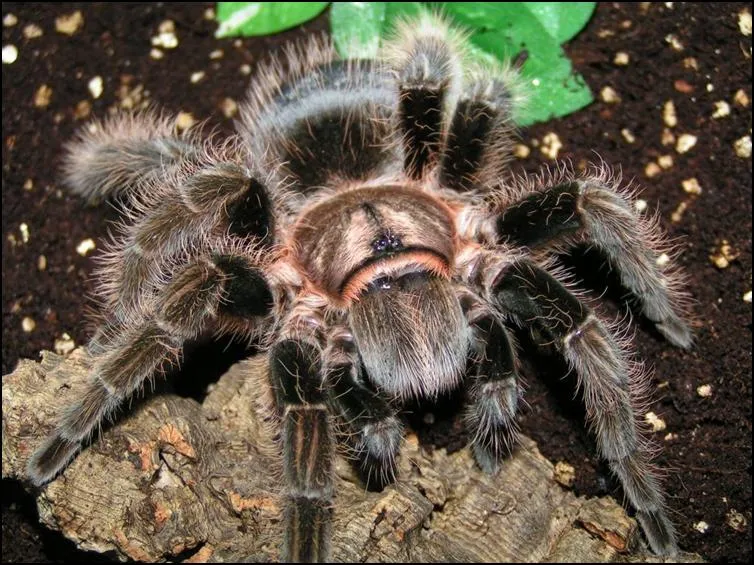
What is a Curly Haired Tarantula
The Curly Haired Tarantula (Tliltocatl albopilosus), is a species of tarantula native to Central America. Known for its docile nature and distinctive appearance, this tarantula has become a popular pet choice for both novice and experienced arachnid enthusiasts. Their endearing nickname comes from the abundance of brown and golden hairs that cover their bodies, giving them a charming, fluffy look. These spiders are relatively easy to care for, making them an excellent option for those new to the world of tarantula ownership, but also captivating for seasoned keepers. Their relatively long lifespans and fascinating behaviors add to their appeal, offering a unique and rewarding experience for those who choose to keep them.
Appearance and Features
The Curly Haired Tarantula showcases a striking appearance that sets it apart from other tarantula species. Their bodies are primarily covered in dark brown to black hairs, which are contrasted by the namesake curly, golden hairs that give the spider its distinctive look. These lighter hairs often appear on the legs and carapace, creating a visually appealing contrast. The legs are robust, and the overall body shape is quite stout, with a somewhat rounded abdomen. The size of the tarantula can vary, with females typically growing larger than males. Mature females can reach a leg span of up to 6 inches, while males are often slightly smaller. This species presents a visually appealing and unique appearance that makes it a favorite among pet owners.
Distinctive Curly Hairs

The most distinguishing feature of the Curly Haired Tarantula is, without a doubt, its curly hairs. These hairs, which are actually modified setae, are typically a golden or light brown color and cover the spider’s body. They are most prominent on the legs and carapace, offering a fluffy appearance that gives this species its endearing charm. Aside from their aesthetic appeal, these hairs serve a crucial defense mechanism. When threatened, the tarantula can flick these hairs towards potential predators, causing skin irritation and discomfort. This unique characteristic adds to the fascination of the Curly Haired Tarantula, making it a popular pet choice. Their fluffy appearance makes them exceptionally cute.
Temperament and Behavior
Curly Haired Tarantulas are known for their generally docile and calm temperament, making them relatively easy to handle and observe. Compared to other tarantula species, they are less prone to biting, though it’s still important to exercise caution and handle them with care. They are typically nocturnal creatures, meaning they are most active during the night. During the day, they often remain hidden in their burrows or shelters. They are not particularly fast movers, but they can display sudden bursts of speed when startled. In general, they are not aggressive. Their behavior is typically quite predictable. They can make for a fascinating pet due to their gentle and predictable nature.
Origin and Habitat
Where They Come From

The Curly Haired Tarantula originates from the tropical dry forests of Central America, including countries like Costa Rica and Honduras. In their natural habitat, these tarantulas are ground-dwelling creatures that live in burrows or under rocks and logs. They are well-adapted to the warm and humid conditions of these environments. These spiders have evolved to thrive in their native habitats, which are characterized by a distinct rainy season and a drier period. Understanding their origin helps owners replicate their natural environment, which is crucial for ensuring their well-being and promoting natural behaviors. They are a fascinating species that hails from an interesting part of the world.
Ideal Habitat Conditions
To replicate the natural habitat of a Curly Haired Tarantula, pet owners should focus on creating a warm, humid environment. A well-ventilated enclosure is crucial, and the substrate should be deep enough for burrowing, typically a mix of coconut fiber, peat moss, and a small amount of vermiculite. Maintaining the correct temperature is essential, with an ideal range of 75-85°F (24-29°C). Humidity levels should be kept between 60-70%, which can be achieved by regularly misting the enclosure. Provide a water dish for drinking and a hide for shelter. These conditions provide the tarantula with security and allows them to display their natural behaviors.
Diet and Feeding
What Do They Eat

Curly Haired Tarantulas are primarily insectivores, feeding on a variety of insects in their natural habitat and in captivity. Their diet mainly consists of crickets, mealworms, roaches, and other readily available insects. Young tarantulas require smaller prey items, while adults can consume larger insects. They are opportunistic eaters, meaning they will eat whatever is available to them. It’s important to provide a varied diet to ensure they receive all necessary nutrients. Gut-loading the insects before feeding them to the tarantula is an excellent way to increase the nutritional value of the prey, thus promoting the health and well-being of the spider.
Feeding Schedule
The feeding schedule for a Curly Haired Tarantula varies based on its age and size. Spiderlings typically need to be fed more frequently, around two to three times per week, while adults can be fed once or twice a week. Always remove any uneaten prey within 24 hours to prevent stress on the tarantula or the potential for mites. Observe the tarantula’s abdomen; a plump abdomen indicates a well-fed spider, while a thin one may suggest the need for more frequent feedings. Providing fresh water is very important to help them digest their food.
Tips for a Healthy Diet
To maintain a healthy diet for your Curly Haired Tarantula, focus on providing a variety of insects, ensuring they are properly gut-loaded before feeding. Avoid overfeeding, as this can lead to stress and health issues. Always ensure fresh water is available in a shallow dish and remove any uneaten food promptly. Supplementing their diet with occasional treats, like a small piece of pre-killed pinky mouse (for adults), can offer additional nutritional benefits. Monitoring the tarantula’s feeding habits and overall condition will help in adjusting the diet to ensure optimal health.
Cute Curly Haired Tarantula: Top 5 Facts

Fact 1 Their Gentle Nature
Curly Haired Tarantulas are celebrated for their generally docile disposition. While all tarantulas possess a level of venom, this species is typically not aggressive, making them a great option for beginners. They tend to be less defensive than other species, and bites are rare, mostly occurring when the spider feels threatened. Handling should always be approached with care and respect for the animal, but the inherent gentleness of these tarantulas makes them less intimidating to handle. This contributes to their popularity as pets.
Fact 2 Their Unique Hairs
The most distinctive feature of this tarantula is the curly hairs that cover their body. These hairs are not only aesthetically pleasing but also serve a defensive purpose. When threatened, Curly Haired Tarantulas can flick these hairs off their abdomen toward a perceived threat. These hairs cause irritation to the skin, serving as a deterrent. This unique defense mechanism, combined with their adorable appearance, makes them easily recognizable and highly sought after. This makes them very unique and interesting to observe.
Fact 3 Their Size and Growth

Curly Haired Tarantulas exhibit considerable variation in size, especially between males and females. Females, which have a longer lifespan, typically reach a leg span of up to 6 inches, making them quite impressive to observe. Males are usually smaller and have shorter lifespans, often reaching a leg span of around 4-5 inches. These tarantulas grow throughout their lives, molting to shed their old exoskeleton and reveal a new, larger one. The growth rate depends on factors like feeding and temperature. Proper care ensures that these beautiful creatures can achieve their full size and live a long and healthy life.
Fact 4 Their Lifespan
One of the appealing aspects of owning a Curly Haired Tarantula is their relatively long lifespan. Females can live for 10-20 years, making them a long-term companion for any owner who can provide the required care. Males, however, have a significantly shorter lifespan, typically living for only 5-8 years. This difference is due to the biological aspects of reproduction. The longevity of these tarantulas means that owners have ample opportunity to bond with and enjoy observing their pet spiders, understanding their behaviours over the years. This longevity is a significant draw for tarantula enthusiasts.
Fact 5 Their Popularity as Pets
Curly Haired Tarantulas are a very popular choice for pet owners. Their gentle temperament, unique appearance, and relatively low maintenance requirements contribute to their appeal. They are considered a good beginner tarantula. These spiders are readily available in the pet trade, which makes them accessible for those looking to own them. Their fascinating behaviours and overall charm add to the enjoyment of keeping them as pets. They’ve become a favorite among beginners to those experienced in caring for arachnids.
Caring for Your Curly Haired Tarantula

Choosing a Suitable Enclosure
Selecting the right enclosure is essential for the well-being of a Curly Haired Tarantula. A glass or plastic terrarium is ideal, with adequate ventilation to prevent humidity buildup. The size of the enclosure should correspond to the size of the tarantula, ensuring it has enough space to move around. A good rule of thumb is to provide an enclosure that is at least twice the tarantula’s leg span in width and length, and the height should be sufficient to accommodate substrate depth and decorations. Provide a secure lid to prevent escape. The enclosure setup forms the basis of the ideal habitat.
Maintaining Humidity and Temperature
Maintaining the correct environmental conditions is very important for the health and happiness of your Curly Haired Tarantula. These tarantulas thrive in a warm and humid environment. The temperature should be kept between 75-85°F (24-29°C), which can be achieved using a heat pad placed on the side of the enclosure. Humidity levels should be around 60-70%, which you can maintain by misting the enclosure with water a couple of times a week. Regular monitoring with a hygrometer and thermometer is vital to ensure these conditions are stable. Consistent attention to these factors is essential.
Handling Your Tarantula Safely
While Curly Haired Tarantulas are generally docile, safe handling practices are important. Always handle your tarantula close to the ground to prevent injury if it falls. Never make sudden movements, and allow the spider to walk onto your hand rather than picking it up. Avoid any unnecessary handling, as it can stress the tarantula. Wash your hands before and after handling, and always be aware of the spider’s behaviour. Observe the spider’s body language, looking for signs of stress. With careful and respectful handling, you can enjoy interacting with your Curly Haired Tarantula while ensuring its well-being.