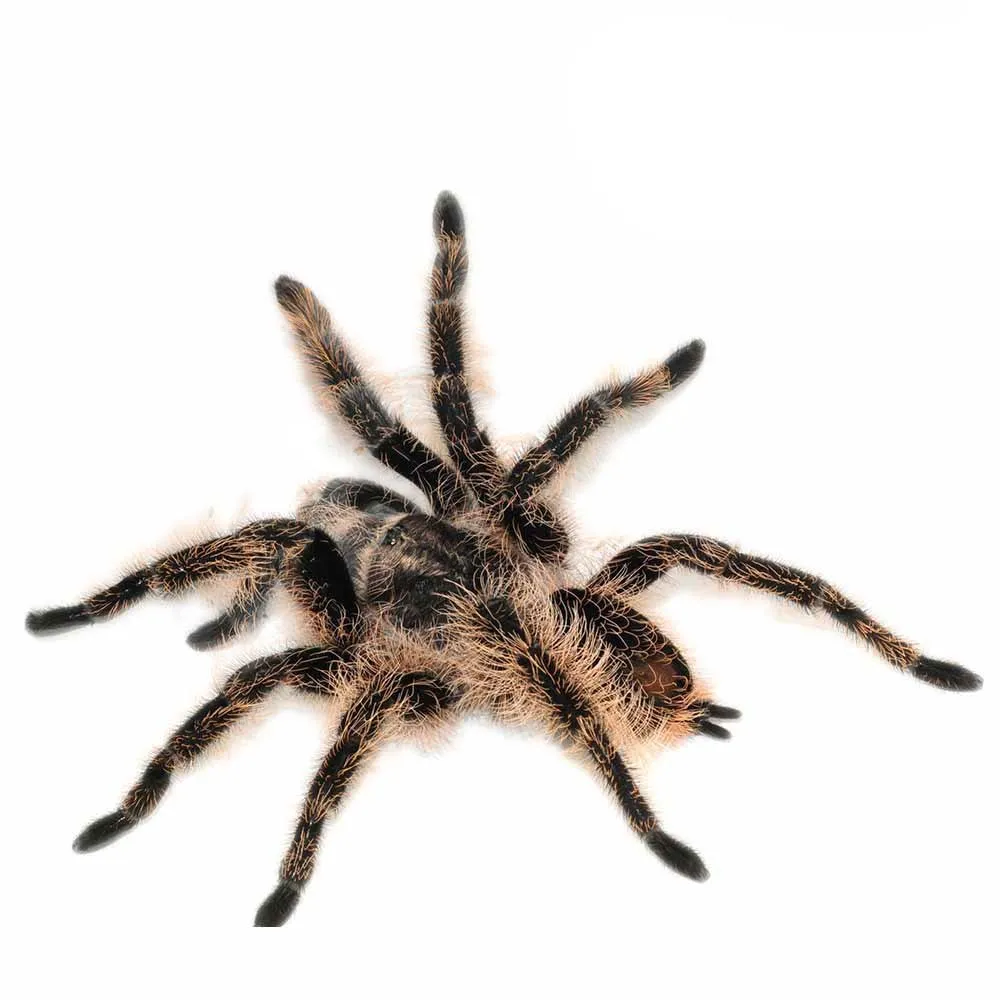
What is a Curly Hair Tarantula
The Curly Hair Tarantula (Tliltocatl albopilosus), a captivating arachnid, has become a popular pet choice for many enthusiasts. Native to the tropical regions of Central America, specifically Costa Rica, this species boasts a gentle disposition and relatively straightforward care requirements. Their endearing appearance, coupled with their docile nature, makes them a fascinating subject of interest for both beginners and seasoned arachnid keepers. These spiders are known for their manageable size and striking coloration, which adds to their appeal as a pet. Understanding the basics of this species, from their physical attributes to their behavioral patterns, sets the stage for appreciating what makes them unique.
Appearance and Characteristics
The Curly Hair Tarantula is named for the characteristic hairs that cover its body, which often appear to curl, giving it a fluffy appearance. Their base color ranges from a dark brown to a rich black, with the distinctive golden-brown or tan hairs covering their carapace, legs, and abdomen. These hairs are not only a visual treat but also serve a sensory function, helping the spider detect vibrations and air currents. Adult females can reach a leg span of up to 6 inches, while males are typically smaller. Their overall appearance contributes significantly to their charm, making them an eye-catching addition to any arachnid collection. The combination of their size, coloration, and unique hair texture makes them easily distinguishable from other tarantula species.
Origin and Habitat

Native to the tropical dry forests of Costa Rica, Curly Hair Tarantulas are well-adapted to warm and humid environments. In the wild, they live in burrows or under rocks and fallen logs, seeking shelter from the intense tropical sun. Their natural habitat influences their behavior and care requirements, emphasizing the importance of replicating these conditions in captivity. The climate of their native region is relatively consistent, with temperatures averaging between 75°F and 85°F (24°C and 29°C), and humidity levels that range from moderate to high. Understanding their origins provides a crucial perspective on their needs, guiding keepers to provide appropriate living conditions that closely mimic their natural environment. This knowledge enhances the well-being and longevity of the spider.
Behavior and Temperament
The Curly Hair Tarantula is known for its generally docile temperament, making it a popular choice for beginners. They are not typically aggressive, and although they can bite if provoked, they are more likely to flick urticating hairs (irritating hairs) as a defense mechanism. These spiders are relatively slow-moving, adding to their appeal for those new to tarantula keeping. They are primarily nocturnal, which means they are most active during the evening and nighttime hours, spending much of the day in their burrows or hiding spots. Their calm nature allows for easier handling and observation, and their behavior is generally predictable, contributing to a more manageable pet-keeping experience. They are also known to burrow, so providing them with adequate substrate to dig in is important.
What Do They Eat
Feeding Guide

Feeding a Curly Hair Tarantula is a straightforward process, aligning with its adaptable nature. They are primarily insectivores, with crickets, mealworms, and roaches serving as staple food items. The size of the prey should be appropriate for the size of the spider; a good rule of thumb is to offer insects that are no larger than the tarantula’s abdomen. Overfeeding should be avoided, as this can lead to health issues and a shorter lifespan. Many keepers choose to pre-kill the insects before feeding to ensure the safety of the tarantula, preventing any potential harm from live prey. Additionally, providing a shallow water dish ensures they have access to hydration, crucial for their well-being. Regular feeding is vital for the tarantula’s health, and a balanced diet helps them grow and thrive in captivity.
Frequency
The feeding frequency for a Curly Hair Tarantula varies based on its age and size. Spiderlings, or young tarantulas, may need to be fed more frequently, perhaps two to three times a week, as they are in their growth phase. Sub-adults and adults, however, can be fed less often, typically once or twice a week. It is important to monitor your tarantula’s abdomen size; a well-fed tarantula will have a plump abdomen, whereas an underfed one will have a smaller abdomen. During molting periods, it is best to stop feeding, as the spider will be vulnerable. Adjusting the feeding schedule according to these variables supports the overall health and well-being of your pet.
Best Food
The ideal diet for a Curly Hair Tarantula consists of a variety of insects to ensure adequate nutrition. Crickets and roaches are excellent choices, providing a good source of protein. Mealworms can be offered, but should be given in moderation due to their higher fat content. It is always wise to gut-load insects before feeding them to your tarantula. Gut-loading involves feeding the insects nutritious foods, such as fruits and vegetables, prior to feeding. This enhances the nutritional value of the prey, providing your tarantula with a wider range of vitamins and minerals. Variety in the diet is essential, as it helps to prevent nutritional deficiencies. Furthermore, fresh water should always be accessible to maintain its hydration.
Caring for a Curly Hair Tarantula

Enclosure Setup
Setting up the right enclosure is paramount to the health and happiness of your Curly Hair Tarantula. A secure enclosure is crucial, as these spiders can be surprisingly adept at escaping. The size of the enclosure should be appropriate for the tarantula’s size; a general guideline is to provide a space that is at least three times the tarantula’s leg span in width. A good substrate, such as a mixture of coconut fiber and peat moss, is essential for burrowing and maintaining humidity. It should be deep enough for the tarantula to burrow comfortably. Ventilation is also critical to prevent the build-up of excessive humidity and mold, so ensure that the enclosure has adequate airflow. A properly set up enclosure can significantly improve the quality of life for your tarantula.
Temperature and Humidity
Maintaining the right temperature and humidity levels is essential for your Curly Hair Tarantula’s well-being. The ideal temperature range is typically between 75°F and 85°F (24°C and 29°C). Use a heat mat or a low-wattage heat lamp if necessary to maintain a stable temperature. It is important to avoid direct heat sources, as these can be dangerous. Humidity levels should be kept between 60% and 70%. This can be achieved by lightly misting the enclosure with water every few days or by providing a water dish. Using a hygrometer to monitor humidity levels ensures that the environment remains appropriate. Accurate temperature and humidity control contribute to the tarantula’s health and also promote successful molting.
Substrate and Decor

The right substrate and decor can make the enclosure of your Curly Hair Tarantula a comfortable and enriching habitat. As mentioned, a substrate that retains moisture well, such as a mixture of coconut fiber and peat moss, is recommended. The substrate should be deep enough, allowing the tarantula to burrow and create its own hide. Providing decor, such as a cork bark hide or artificial plants, offers the tarantula security and a place to retreat. These additions not only enhance the enclosure’s aesthetic appeal, but also mimic the natural environment of the tarantula, enriching their lives. Regular maintenance, including removing any leftover food or debris, helps maintain a healthy and hygienic environment.
Lifespan and Health
Common Health Issues
While Curly Hair Tarantulas are generally hardy, they can still be susceptible to certain health issues. Dehydration is a common problem, so ensuring access to fresh water is crucial. Parasites, though rare, can be a threat; quarantine new additions to your collection. Another potential issue is a loss of limbs during a molt, this may be fixed in the next molt. Always consult with a vet specializing in exotic pets if you notice any unusual symptoms or changes in your tarantula’s behavior. Regularly monitoring your pet and taking preventive measures can help maintain its health and longevity.
Signs of a Healthy Tarantula

Recognizing the signs of a healthy Curly Hair Tarantula is crucial for providing optimal care. A healthy tarantula will have a plump abdomen, indicating that it is well-fed. It should also be active, though they are primarily nocturnal. A good appetite is a sign of a healthy tarantula, and it should readily accept food. The tarantula’s coloration should be vibrant, and the hairs on its body should appear clean and well-maintained. The molting process is a natural part of tarantula growth; a healthy spider will shed its exoskeleton regularly. Regular observation, coupled with understanding these signs, can assist in promptly addressing any potential health issues, ensuring the overall well-being of your pet.
Why Choose a Curly Hair Tarantula
Choosing a Curly Hair Tarantula can be a rewarding experience for both beginners and experienced arachnid keepers. Their gentle temperament and relatively easy care requirements make them an ideal first tarantula. Their striking appearance, with the distinctive curly hairs, adds a visual appeal that can be enjoyed. These spiders are not overly demanding and their manageable size makes them suitable for various living environments. Their fascinating behaviors, such as burrowing and molting, provide an engaging experience. If you are looking for a pet that is low-maintenance yet captivating, the Curly Hair Tarantula is an excellent choice. Taking on the responsibility of caring for a Curly Hair Tarantula provides an opportunity to learn, grow, and appreciate the marvels of the natural world.