Understanding the Curly Hair Tarantula (Chaco Golden Knee)
The Curly Hair Tarantula (Tliltocatl albopilosus), often called the Chaco Golden Knee, is a popular choice for beginner tarantula keepers. Native to Central America, specifically Costa Rica, this species is known for its docile temperament, beautiful appearance, and relatively easy care requirements. Their striking appearance, characterized by dark brown or black bodies with distinctive golden hairs, makes them a captivating addition to any home. Proper care ensures a long and healthy life for your furry friend. Before getting a curly hair tarantula, it is essential to do your research and understand their specific needs to provide the best possible environment for them. This guide provides comprehensive instructions for beginners
Appearance and Characteristics
The Curly Hair Tarantula gets its name from the unique curly hairs that cover its body, particularly on its legs and abdomen. These hairs aren’t just for show; they serve a defensive purpose. When threatened, the tarantula can flick these urticating hairs towards a potential predator, causing irritation. Adult females can reach a leg span of up to 6 inches, while males tend to be slightly smaller. Their coloration is typically a deep brown or black, contrasted by the golden, curly hairs that give them their distinctive look. They are relatively slow-moving, which adds to their appeal as pets. Their calm and manageable nature, combined with their interesting appearance, makes them an appealing option for tarantula enthusiasts of all levels.
Lifespan and Temperament

One of the advantages of owning a Curly Hair Tarantula is its longevity. Females can live for 10 to 15 years, sometimes even longer with optimal care, making them a long-term commitment. Males, on the other hand, have a shorter lifespan, typically 3 to 5 years after reaching maturity. Their temperament is generally docile, making them a good choice for those new to tarantula keeping. However, it’s important to remember that each tarantula has its own personality. While generally calm, they can still exhibit defensive behaviors if they feel threatened. Therefore, handle them with care and respect their boundaries. Regular interactions can help build a bond, but always prioritize the tarantula’s comfort and safety.
Creating the Perfect Curly Hair Tarantula Habitat
Setting up a suitable habitat is crucial for the well-being of your Curly Hair Tarantula. The environment should mimic their natural habitat as closely as possible to ensure they thrive. This includes providing the right enclosure, substrate, temperature, and humidity levels. A well-designed habitat not only caters to the tarantula’s physical needs but also allows you to observe their natural behaviors. By creating a comfortable and stimulating environment, you can enhance your enjoyment of this fascinating creature while ensuring its health and longevity. Let’s explore the details of building the perfect home for your tarantula, covering every essential aspect from enclosure selection to maintaining ideal climate conditions.
Choosing the Right Enclosure
The size of the enclosure is critical, as it should provide ample space for movement without making your tarantula feel overwhelmed. A good starting point is a 5-10 gallon terrarium for juveniles, gradually increasing the size as they grow. Ensure the enclosure has a secure, escape-proof lid with adequate ventilation to allow for airflow while preventing escape. The enclosure should be made of a clear material, such as glass or acrylic, to allow for easy viewing and monitoring of your tarantula. Avoid materials that can be easily chewed or damaged by the tarantula. Also, consider front-opening enclosures for ease of access for feeding and maintenance. The right enclosure will help keep your tarantula happy and safe.
Substrate and Decor

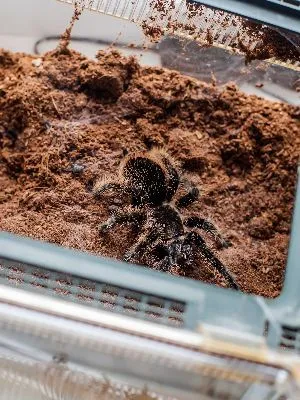
The substrate is the bedding that lines the bottom of the enclosure and serves several important functions, including providing a surface for the tarantula to walk on, helping to regulate humidity, and allowing them to burrow. A good substrate choice for Curly Hair Tarantulas is a mix of coconut fiber (also called coir), peat moss, and a small amount of vermiculite. This combination holds moisture well, allowing for appropriate humidity levels, while also being safe and non-toxic. Provide a depth of substrate that’s at least 4-6 inches to allow for burrowing behavior. Add some natural decor, such as cork bark, artificial plants, or sturdy branches, to give your tarantula places to hide and feel secure. Avoid using sharp or abrasive materials that could potentially harm the tarantula.
Temperature and Humidity
Maintaining the correct temperature and humidity levels is vital for the Curly Hair Tarantula’s health. The ideal temperature range is between 75-85°F (24-29°C). You can use a heat mat or a low-wattage heat lamp to maintain this temperature, but ensure the heat source doesn’t directly touch the enclosure and that it doesn’t overheat. Monitor the temperature with a thermometer placed inside the enclosure. Humidity levels should be kept between 65-75%. Achieve this by misting the enclosure with dechlorinated water every few days, but avoid over-misting. Additionally, make sure there is always a shallow water dish available. Regular monitoring with a hygrometer helps to maintain these conditions.
Feeding Your Curly Hair Tarantula
Providing the right diet and feeding schedule is essential for your Curly Hair Tarantula’s well-being. They are opportunistic eaters and will consume a variety of insects in the wild. In captivity, providing a varied and appropriate diet ensures they receive all the necessary nutrients. The size and frequency of feeding should be adjusted based on the tarantula’s age and growth rate. Overfeeding can be just as harmful as underfeeding, so it’s crucial to monitor your tarantula’s condition and adjust their diet accordingly. This will lead to a healthier and happier tarantula.
Dietary Needs

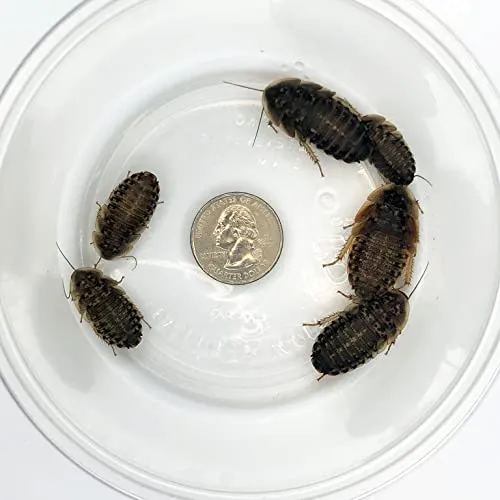
The Curly Hair Tarantula’s diet primarily consists of insects. Crickets, mealworms, and roaches are all excellent choices. Always ensure that the insects are gut-loaded (fed nutritious food) before offering them to your tarantula. This ensures the tarantula gets the necessary nutrients. The size of the prey should be appropriate for the tarantula’s size; the general rule is to offer food items no larger than the tarantula’s body length. Avoid feeding wild-caught insects, as they may carry parasites or pesticides. Always offer a shallow dish of fresh, dechlorinated water, as they require it for hydration. Dietary variety and consistency will contribute to the tarantula’s overall health and development.
Feeding Schedule
The feeding schedule should be adjusted based on the tarantula’s age and appetite. Spiderlings (young tarantulas) should be fed two to three times a week, while juveniles can be fed once or twice a week. Adult tarantulas can typically be fed once every one to two weeks. Observe your tarantula’s feeding habits, and adjust the schedule accordingly. If your tarantula is not eating, it could be preparing to molt or may have other issues. Remove any uneaten prey within 24 hours to prevent it from stressing your tarantula. Providing a consistent feeding schedule contributes to a well-nourished and thriving Curly Hair Tarantula. Always adjust the schedule based on individual needs and behaviors.
Water and Hydration
Providing a constant source of fresh water is critical for the health of your Curly Hair Tarantula. Use a shallow water dish that is easily accessible, and ensure it is always filled with fresh, dechlorinated water. Change the water frequently to prevent the growth of bacteria. Misting the enclosure every few days helps to maintain the appropriate humidity levels, but avoid saturating the substrate. Observe your tarantula’s behavior to ensure it is drinking regularly. Proper hydration is essential for their overall well-being, especially during molting. A clean and accessible water source is one of the easiest things to provide, but one of the most important.
Handling and Interaction
While Curly Hair Tarantulas are known for their docile temperament, it is still important to handle them with care and respect. Understanding their behavior and being aware of potential risks is crucial for the safety of both you and your tarantula. Always approach handling with caution, and recognize that it may not be suitable for all tarantulas. Building a good relationship with your pet means prioritizing their well-being and respecting their boundaries, thus ensuring a stress-free environment for them. This approach will also improve the likelihood of a positive interaction. Always observe the tarantula’s behavior for signs of stress.
Safe Handling Practices
If you choose to handle your Curly Hair Tarantula, do so cautiously. The tarantula’s hairs can cause irritation, and bites, though rare, can occur. Handle them close to the ground, in case they fall. Always wash your hands thoroughly before and after handling to remove any scents that could stress the tarantula. Avoid handling them after a meal or during molting, as they are more vulnerable during these times. Never force the tarantula to do something it doesn’t want to do. Respect their space and always handle them with patience and calmness. Minimize handling to the extent possible, and prioritize the tarantula’s safety and comfort over the desire to interact.
Recognizing Signs of Stress
Understanding the signs of stress in your Curly Hair Tarantula is crucial for their well-being. Defensive behaviors include raising their front legs, showing fangs, or flicking hairs. These are signs that the tarantula feels threatened and should be left alone. Other signs of stress include refusing to eat, pacing, or hiding excessively. If your tarantula shows these signs, review its enclosure setup (temperature, humidity, and hiding places) and handling practices. Addressing stressors quickly will lead to a healthier and happier pet. If you note these signs, you can make immediate adjustments to provide a better environment.
Health and Common Issues

Like all pets, Curly Hair Tarantulas can be prone to certain health issues. Understanding these common problems and how to address them can help you provide the best possible care. Regularly inspecting your tarantula and its enclosure is key to catching potential problems early. By staying informed and proactive, you can ensure a long and healthy life for your Curly Hair Tarantula. The following is not exhaustive, but provides basic information about common concerns and how to address them to ensure the best care for your pet.
Molting Process
Molting is a natural process where the tarantula sheds its exoskeleton to grow. During this time, the tarantula is very vulnerable. Provide a humid environment to help facilitate the molting process. Do not disturb the tarantula while it is molting. After molting, wait a few days before feeding the tarantula, as its fangs will need time to harden. A healthy molting process is a sign of a healthy tarantula. This process happens throughout its life. During this period, handling and stress can cause damage or even death.
Identifying and Treating Common Ailments
Common health issues include parasites, fungal infections, and injuries. If you notice any signs of illness, such as lethargy, loss of appetite, or unusual behaviors, consult with a veterinarian or a tarantula expert. Provide a clean and stress-free environment, and ensure proper temperature and humidity levels to prevent health issues. Parasites can be introduced through live food, and fungal infections can arise from poor enclosure conditions. A proactive approach, combined with proper maintenance, can keep your tarantula healthy. Regular inspection can help to recognize any issues quickly.
Breeding and Reproduction (Optional)

Breeding Curly Hair Tarantulas is a more advanced aspect of tarantula care. If you are interested in breeding, it is very important to fully understand the process and requirements before attempting to breed them. It requires a great deal of knowledge, preparation, and resources. This information is not essential to the routine care of a Curly Hair Tarantula. Successful breeding is a demanding undertaking, but it can also be a very rewarding experience. Thorough research and consultation with experienced breeders are crucial for success. Understanding the complexities is essential before getting started.
Sexing Your Tarantula
Determining the sex of your Curly Hair Tarantula is necessary for breeding purposes. This can be done by examining the underside of the tarantula for the presence of spermathecae in females or by looking for the presence of a hook on the first pair of legs in males. Accurate sexing can be difficult, especially in younger tarantulas. If you plan on breeding, it’s best to consult with an experienced breeder. The process is an important step. Incorrect sexing can impact breeding attempts.
Mating and Egg Sacs
Mating involves introducing a mature male to a mature female. The process can be complex, as the female may be aggressive towards the male. If the mating is successful, the female will lay an egg sac. The egg sac needs to be carefully maintained to ensure the eggs hatch. Hatching eggs is very demanding, and requires great attention to detail. It is critical that you know how to provide the right environment. If you are considering breeding, be prepared for a significant time and resource investment. Consult with experienced breeders or resources for more detailed information.
Conclusion
Caring for a Curly Hair Tarantula can be a rewarding experience. By following the guidelines in this guide, you can provide a healthy, comfortable, and stimulating environment for your tarantula. Remember to research further and consult with experienced keepers to enhance your understanding and care. With proper care, your Curly Hair Tarantula can bring you years of enjoyment. Always prioritize the well-being of your pet and appreciate the fascinating world of arachnids. Enjoy your journey in the care of a Curly Hair Tarantula!