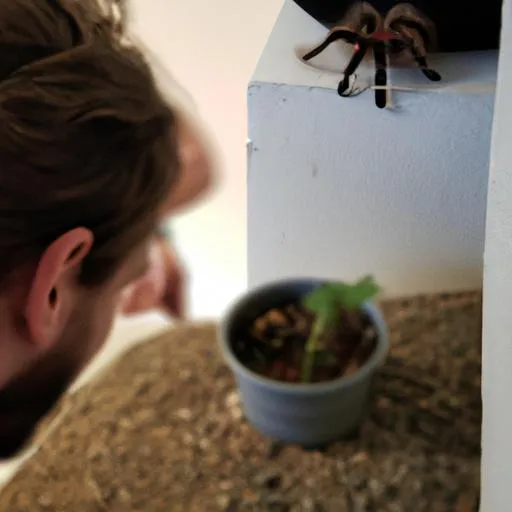
Understanding the Curly Hair Tarantula (Chaco Golden Knee)
The Curly Hair Tarantula, scientifically known as Tliltocatl albopilosus, and often referred to as the Chaco Golden Knee, has become a popular choice for tarantula enthusiasts. Native to the tropical dry forests of Central America, particularly Costa Rica, the Curly Hair Tarantula is known for its docile temperament and striking appearance. Its namesake, the ‘curly hair’, comes from the setae (hairs) on its body, which curl, giving it a distinctive look. This beginner-friendly species offers a fascinating glimpse into the world of arachnids, making it an excellent pet for those new to tarantula keeping. Understanding their needs and behavior is crucial for ensuring their well-being and creating a thriving environment for your new pet.
Appearance and Characteristics
Curly Hair Tarantulas are visually appealing creatures. They typically have a dark brown to black body, with long, reddish-brown hairs covering their carapace, legs, and abdomen. These hairs curl, giving them a fuzzy appearance that’s both unique and charming. Adult females can reach a leg span of up to 6 inches (15 cm), while males are typically smaller. They possess chelicerae (fangs) that they use for feeding and defense. Their overall appearance makes them one of the more aesthetically pleasing tarantula species, adding to their appeal as pets. The females are also known for their longevity, often living for many years, whereas males have a shorter lifespan after reaching maturity.
Habitat and Natural Environment

In their natural habitat, Curly Hair Tarantulas inhabit tropical dry forests, burrowing in the soil or utilizing existing spaces like under logs or rocks. They thrive in a warm, humid environment, with access to shelter and a consistent food supply. Understanding their natural environment is vital for replicating these conditions in captivity. Their burrows provide protection from predators and extreme weather. The humidity in their natural environment also aids in their molting process. Providing a similar environment in your home will help your tarantula thrive and exhibit natural behaviors.
Creating the Perfect Enclosure for Your Tarantula
Setting up the ideal enclosure is crucial for the health and happiness of your Curly Hair Tarantula. The enclosure should mimic their natural habitat as closely as possible, providing a safe and stimulating environment. This includes appropriate size, substrate, decor, and climate control. A well-designed enclosure not only enhances your tarantula’s well-being but also makes it easier for you to observe and care for your pet. A properly set-up enclosure will ensure your tarantula’s overall health.
Choosing the Right Tank Size
The size of the enclosure depends on the tarantula’s size. For juvenile tarantulas, a 5-10 gallon tank is sufficient. As they grow, you’ll need to upgrade to a larger enclosure, ideally a 20-gallon long tank for adult females. The tank should be wider than it is tall, allowing for horizontal movement. A secure, escape-proof lid is essential to prevent escapes. The enclosure should also be well-ventilated to prevent the build-up of harmful gases and maintain proper humidity levels. The proper size will allow the tarantula to move around, burrow, and feel secure.
Substrate Selection

The substrate is the bedding material that covers the bottom of the enclosure. For Curly Hair Tarantulas, a substrate that retains moisture while providing a place for burrowing is ideal. A mixture of coconut fiber, peat moss, and a small amount of vermiculite is an excellent choice. The substrate should be deep enough (4-6 inches) for the tarantula to burrow comfortably. It is crucial to keep the substrate clean and replace it regularly to prevent mold and bacterial growth. Adding leaf litter can also create a more natural environment for your tarantula.
Decorating the Enclosure
Decorating the enclosure enhances the environment and provides the tarantula with places to hide and explore. Include a hide, such as a piece of cork bark or a half-log, to provide security. Artificial plants can also be added to create a more naturalistic environment and help maintain humidity. Avoid sharp objects that could potentially harm your tarantula. The decorations should be arranged in a way that allows your tarantula to move around freely. These additions will enhance your tarantula’s life, creating a stimulating environment.
Maintaining Temperature and Humidity
Curly Hair Tarantulas thrive in a warm and humid environment. The ideal temperature range is between 75-85°F (24-29°C). This can be maintained using a heat mat placed on the side of the enclosure, never underneath, as this could overheat the substrate. Humidity levels should be maintained between 65-75%. This can be achieved by lightly misting the enclosure with water once or twice a week. A hygrometer will help monitor the humidity levels. Proper temperature and humidity are essential for their health and molting process.
Feeding Your Curly Hair Tarantula

Providing a proper diet is essential to keep your Curly Hair Tarantula healthy and thriving. Their diet primarily consists of insects, and the size and frequency of feeding should be adjusted based on the tarantula’s size and age. It is important to offer a varied diet and ensure that the food items are gut-loaded to provide the necessary nutrients. Careful attention to their feeding habits can help keep your pet healthy and growing.
Diet and Nutritional Needs
The primary food source for Curly Hair Tarantulas consists of insects, such as crickets, mealworms, and roaches. It’s crucial to vary their diet to ensure they receive a range of nutrients. The insects should be gut-loaded before feeding them to your tarantula. Gut-loading involves feeding the insects nutritious food, such as vegetables and commercial insect food, before offering them to your tarantula. This provides your tarantula with more vitamins and minerals. Avoid feeding them wild-caught insects, as they could carry parasites or pesticides.
Feeding Frequency and Portion Sizes
Juvenile tarantulas should be fed 2-3 times a week, while adults can be fed once a week or every other week. The portion size depends on the size of the tarantula. A good rule of thumb is to feed them insects that are about the size of their abdomen. Remove any uneaten food within 24 hours to prevent mold and mites from developing. Overfeeding can lead to obesity, which can shorten their lifespan.
Watering and Hydration

Providing fresh water is crucial for your tarantula’s hydration. Always have a shallow water dish available in the enclosure. The dish should be shallow enough to prevent drowning. Regularly clean the water dish and refill it with fresh water. For smaller tarantulas, a damp cotton ball can be used as a water source. During molting, it is essential to ensure that the tarantula has enough water to help them with the process. Proper hydration is key to your tarantula’s overall health and well-being.
Handling and Interaction
While Curly Hair Tarantulas are generally docile, handling should be approached with caution. Avoid unnecessary handling, as it can cause stress to the tarantula. If you choose to handle your tarantula, it’s crucial to do so safely. The goal is to minimize stress on the tarantula while ensuring your safety. Handling should be limited, and only undertaken when necessary. Patience and understanding are key to a positive experience for both you and your tarantula.
Safe Handling Practices
If you need to handle your Curly Hair Tarantula, do so over a soft surface, such as a bed or a carpet, in case it falls. Gently coax the tarantula onto your hand, allowing it to walk on its own. Avoid sudden movements or dropping the tarantula. Never handle a tarantula if you are nervous or unsure. Wash your hands before and after handling. Be gentle and patient. Observe the tarantula’s behavior and if it shows signs of stress, such as raising its front legs or flicking its hairs, put it back in its enclosure immediately.
Recognizing and Avoiding Stress

Tarantulas can become stressed due to various factors, including handling, loud noises, or changes in their environment. Recognizing signs of stress is essential. Some indicators of stress include flicking hairs (a defense mechanism), raising their front legs in a defensive posture, or becoming skittish. To avoid stress, provide a stable environment with consistent temperature, humidity, and minimal disturbance. Avoid loud noises and sudden movements near the enclosure. Give your tarantula plenty of space and time to acclimate to its new environment.
Common Health Issues and Care
Like all pets, Curly Hair Tarantulas can experience health issues. Understanding common ailments and knowing how to respond is crucial for providing the best care. Recognizing potential problems early on can significantly improve the chances of a successful recovery. This involves being observant of their behaviors and the environment. Maintaining a clean enclosure and providing proper care can prevent many common health issues. Prompt intervention and veterinary care when needed are also very important.
Molting Process
Molting is a natural process where the tarantula sheds its exoskeleton to grow. Before molting, the tarantula will typically stop eating, become lethargic, and may lay on its back. During the molting process, it’s important not to disturb the tarantula. Provide high humidity and avoid feeding it. After molting, the tarantula’s new exoskeleton will be soft, so it needs time to harden. Do not offer food for a few days after molting. This process is essential for their growth and overall health.
Recognizing and Treating Illnesses

Common health issues include fungal infections, parasites, and mites. Signs of illness include loss of appetite, lethargy, unusual behavior, or discoloration. If you suspect your tarantula is sick, isolate it from other tarantulas and consult an experienced tarantula keeper or a veterinarian specializing in exotic animals. Prevention is key, so maintain a clean enclosure, provide proper diet, and avoid handling the tarantula unnecessarily. Quick and informed action is essential for a positive outcome.
Breeding Curly Hair Tarantulas
Breeding Curly Hair Tarantulas can be a rewarding experience, but it requires careful planning and expertise. It involves understanding the tarantulas’ mating behaviors, providing the correct environment, and managing the egg sac. Patience and careful observation are essential for a successful breeding attempt. Breeding tarantulas is for experienced keepers, but the results can be rewarding.
Identifying Sex
Sexing Curly Hair Tarantulas is essential for breeding. The most reliable method is to examine the molt of the tarantula. In females, you will find a spermatheca (sperm storage organ) on the underside of the molt. Males have a modified structure on their pedipalps (small appendages near the mouth) that resemble boxing gloves. The size and appearance of the tarantula can give you an idea, but the molt method is the most accurate. Sexing is a critical first step in the breeding process.
Mating and Egg Sac Management

Mating Curly Hair Tarantulas requires a carefully controlled environment. Introduce the male to the female’s enclosure, and supervise the mating process. After mating, separate the male from the female to prevent him from being eaten. The female will lay eggs and create an egg sac. Keep the egg sac in a secure environment with the proper temperature and humidity. Monitor the egg sac carefully. The eggs will hatch, and the spiderlings will need to be cared for in a separate enclosure. Proper management of the egg sac ensures the survival of the spiderlings.
Conclusion
Caring for a Curly Hair Tarantula can be a fulfilling experience for any pet enthusiast. With the right knowledge and dedication, you can provide a healthy and enriching environment for your tarantula. Remember to research thoroughly, provide the right environment, and always handle your tarantula with care. By following this guide, you can enjoy the fascinating world of tarantulas and ensure your pet’s well-being for years to come. The Curly Hair Tarantula is a rewarding pet and with proper care, it can thrive in captivity.