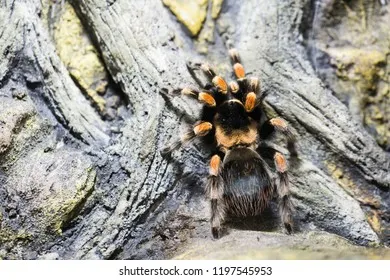
What is the Costa Rican Zebra Tarantula
The Costa Rican Zebra Tarantula (Aphonopelma seemanni) is a captivating terrestrial tarantula species, celebrated for its striking appearance and relatively docile temperament. Native to the dry forests of Costa Rica and other parts of Central America, this spider has become a popular choice among both novice and experienced tarantula keepers. Its name comes from the black and white stripes on its legs, resembling a zebra’s pattern. This species is known for its calm demeanor, making it a good option for those new to keeping tarantulas. This guide will delve into everything you need to know about the Costa Rican Zebra Tarantula, including its price, care requirements, and what to expect as a potential owner.
Habitat and Appearance of the Costa Rican Zebra Tarantula
Understanding the natural habitat and appearance of the Costa Rican Zebra Tarantula provides valuable insights into its care. These tarantulas originate from dry, tropical regions, which means they thrive in environments with specific temperature and humidity levels. They are typically found in burrows or under rocks and logs, offering them protection from predators and the elements. The adult Costa Rican Zebra Tarantula typically reaches a leg span of 4 to 6 inches, with females generally being larger than males. Their bodies are covered in dark hairs, and their legs showcase the distinctive zebra-like stripes that give them their name. This striking coloration makes them a visually appealing addition to any collection, and the information provided here can help you understand the best way to mimic this environment in captivity.
Costa Rican Zebra Tarantula Price Factors

The price of a Costa Rican Zebra Tarantula can vary considerably based on several factors. These factors include the size and age of the tarantula, the presence of any unique color morphs, and the seller’s reputation. Generally, younger tarantulas are more affordable, while mature adults can command a higher price. Additionally, the cost can vary depending on where you purchase the tarantula, with online retailers and specialty breeders often having different pricing structures compared to local pet stores. Understanding these influencing factors is crucial to making an informed purchase and budgeting for your new pet. Another factor can be the time of year, with some prices going up or down based on the season.
Size and Age of the Tarantula
The age and size of a Costa Rican Zebra Tarantula significantly impact its price. Spiderlings, or young tarantulas, are typically less expensive than adults because they are smaller, require less care, and have a longer lifespan ahead of them. As the tarantula grows, its price usually increases. Adult tarantulas, especially mature females, are often more expensive due to their breeding potential and the extended time and care required to reach maturity. However, they also offer the advantage of being more established, making them a better choice for those who want to enjoy the full beauty of their tarantula sooner. Consider your preferences and budget when deciding on the right age and size for your new pet.
Morph and Color Variations
While Costa Rican Zebra Tarantulas are known for their standard zebra-striped appearance, variations in color and pattern can sometimes occur. These variations, known as morphs, can be the result of genetic mutations or selective breeding. Morphs can significantly influence the price, with rarer or more visually striking variations often costing more than the standard coloration. If you are looking for a unique tarantula, you may need to pay a premium for a specific morph. However, the added cost might be worth it for enthusiasts seeking a distinctive pet. Research the specific morphs available and their associated prices before making your decision.
Where to Buy a Costa Rican Zebra Tarantula

Finding a reputable source is crucial for buying a healthy Costa Rican Zebra Tarantula. The quality of care provided by the seller and the spider’s overall health are essential to consider. You have several options, including online retailers and local pet stores. Each option has its advantages and disadvantages. Taking the time to research different sellers and understand the factors to consider will help you make the best choice for your needs.
Online Retailers and Breeders
Online retailers and specialized breeders offer a convenient way to purchase Costa Rican Zebra Tarantulas. These sellers often have a wider selection of tarantulas, including different sizes, ages, and morphs. Many online vendors provide detailed information about each tarantula, including its origin, age, and any special characteristics. However, buying online requires careful consideration. Be sure to check the seller’s reputation through reviews and testimonials. Inquire about their shipping practices and whether they offer a guarantee on the health of the tarantula. Shipping costs can also add to the overall price, so factor those into your budget.
Local Pet Stores and Exotic Animal Shops
Local pet stores and exotic animal shops offer an alternative to online purchasing. You can see the tarantula in person and assess its health and temperament before buying. This can be particularly beneficial for novice keepers who want to get a feel for the spider before making a commitment. However, local pet stores may have a more limited selection and potentially higher prices than online retailers. Check the shop’s reputation and cleanliness. Make sure they have experience caring for tarantulas and are knowledgeable about the species. Additionally, ask about their return policies and what support they offer after the sale.
Cost Considerations Beyond the Price Tag

Owning a Costa Rican Zebra Tarantula involves costs beyond the initial purchase price. Ongoing expenses include the enclosure, substrate, food, and other supplies. It is important to factor these costs into your budget before you bring a tarantula home. These costs can add up quickly, so being prepared financially will help ensure you can provide proper care for your pet. Let’s look at these additional cost factors.
Enclosure and Setup Costs
Setting up a suitable enclosure for your Costa Rican Zebra Tarantula is a one-time expense that is essential for the spider’s well-being. The enclosure should be appropriately sized for the tarantula’s current size and anticipated growth. The enclosure should provide ample space for the tarantula to move, hide, and burrow, with a secure lid to prevent escape. The cost of the enclosure will vary based on size and materials. Besides the enclosure itself, you will also need to invest in substrate, such as coco coir or peat moss, which is necessary to maintain the correct humidity levels. Other setup costs include water dishes, hides (such as cork bark or artificial plants), and possibly a heat lamp. These costs should be included in your initial budget.
Food and Feeding Costs
Feeding is another recurring expense associated with owning a Costa Rican Zebra Tarantula. These tarantulas are insectivores, and their diet typically consists of crickets, mealworms, and other insects. The cost of food will depend on the size and age of your tarantula, as well as the availability of food sources in your area. You may also need to factor in the cost of supplements, such as calcium powder, to ensure your tarantula receives all the necessary nutrients. Consider purchasing insects in bulk to save money. Monitor the tarantula’s eating habits and adjust feeding frequency as needed.
Long-Term Care and Maintenance

Long-term care costs include regular maintenance and the replacement of supplies. This includes replacing the substrate every few months, cleaning the enclosure, and providing fresh water. In addition, you may need to factor in the cost of occasional veterinary care if your tarantula becomes ill or injured. These costs are typically low but should still be included in your long-term budget. Also, consider the time commitment involved in tarantula care. Providing the right environment is key to keeping your Costa Rican Zebra Tarantula healthy.
Comparing Costa Rican Zebra Tarantula Prices
To illustrate how prices vary, let’s consider a comparison of what you might expect to pay for different Costa Rican Zebra Tarantulas. A spiderling could cost from $15 to $30, while a juvenile could cost from $30 to $60. Finally, a mature adult female could cost $60 to $100 or more, depending on the seller and any unique traits. Remember that these are just estimates, and prices can fluctuate depending on market conditions. This comparison highlights the importance of understanding how factors like age and size affect pricing.
Benefits of Owning a Costa Rican Zebra Tarantula
Owning a Costa Rican Zebra Tarantula offers several benefits. These spiders are relatively low-maintenance pets, requiring less daily care than many other pets. They are also fascinating creatures to observe, and their unique appearance can make them a conversation piece. Tarantulas do not need to be walked or played with, making them a good fit for people with busy lifestyles. They also do not produce allergens, a big plus for people allergic to cats or dogs. Moreover, tarantula keeping can be a rewarding hobby that provides a connection to nature and an appreciation for the diversity of the animal kingdom.
Risks and Considerations

While Costa Rican Zebra Tarantulas are generally docile, there are risks and considerations to be aware of. Tarantulas can bite, although it’s not common, and their bites can be painful. Also, they have urticating hairs that they can flick off to irritate their predators. Although the venom is not deadly to humans, it can still cause discomfort. Consider allergies and sensitivities. Those with arachnophobia or a strong aversion to insects and spiders should not consider owning one. Researching tarantula care thoroughly and understanding the potential risks before purchasing one is essential.
Conclusion
Purchasing a Costa Rican Zebra Tarantula is a rewarding experience for many pet owners. By understanding the price factors, where to buy, and the ongoing costs, you can prepare yourself for responsible tarantula ownership. Remember to research reputable sellers, create a suitable environment, and provide appropriate care for your tarantula’s needs. This will enable you to enjoy the fascinating world of tarantulas for many years. Enjoy your new pet and the unique experience of owning a Costa Rican Zebra Tarantula.