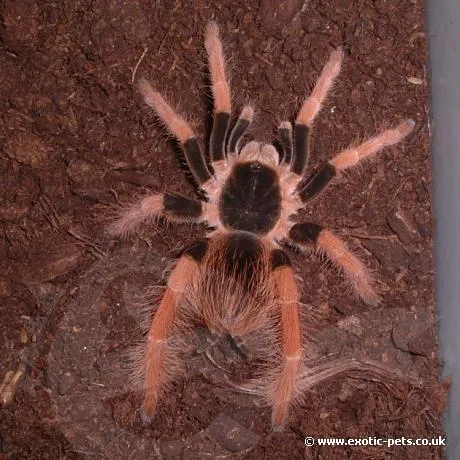
What is the Columbian Giant Tarantula (Megaphobema robustum)
The Columbian Giant Tarantula, scientifically known as Megaphobema robustum, is a captivating species within the tarantula family. Known for its impressive size and striking appearance, this spider originates from the rainforests of South America. It’s a popular choice among tarantula enthusiasts due to its relatively docile temperament and the visual appeal of its coloration and patterns. This article delves into five fascinating facts about this remarkable arachnid, providing insights into its characteristics, habitat, diet, behavior, and life cycle. Understanding these aspects can help you appreciate the beauty and complexity of the Columbian Giant Tarantula, whether you’re a seasoned arachnid keeper or simply curious about the world of exotic pets. The Columbian Giant Tarantula provides a great insight into the world of these amazing creatures.
Appearance and Characteristics
The Columbian Giant Tarantula is aptly named, showcasing a robust and imposing presence. These tarantulas can reach a leg span of up to 8 inches, making them one of the larger tarantula species. Their bodies are covered in dense hairs, which serve sensory and defensive functions. The hairs can detect air movements and vibrations, assisting in prey detection and predator avoidance. The Columbian Giant Tarantula presents a fascinating display of natural design, perfectly suited for survival in its native environment. The appearance of these tarantulas is truly awe inspiring.
Size and Dimensions

As mentioned, the Columbian Giant Tarantula is indeed giant, with a leg span that often exceeds 7 inches. This substantial size is one of the reasons they are so sought after by hobbyists and enthusiasts. The body length can reach up to 3 inches, contributing to their overall impressive stature. The size, combined with their thick legs and hairy bodies, gives them a commanding appearance. The significant size of these tarantulas requires consideration in terms of housing and care, as they need adequate space to thrive. Maintaining their size will ensure they live a healthy life.
Coloration and Markings
The coloration of the Columbian Giant Tarantula is typically a mix of brown, reddish-brown, and black, providing effective camouflage in their natural habitat. Their bodies are covered in a dense layer of hairs, which can range in color from light tan to dark brown. These hairs also serve as a protective layer, offering insulation and sensory input. They often have distinctive markings, such as bands or patterns on their legs and carapace, adding to their unique visual appeal. The coloration of the Columbian Giant Tarantula provides a beautiful and unique look for these fascinating arachnids. The markings add to the beauty of the Columbian Giant Tarantula.
Habitat and Native Region
The Columbian Giant Tarantula is native to the rainforests of South America, specifically found in Colombia and other neighboring countries. They thrive in humid environments, often seeking shelter under logs, rocks, and in burrows. Understanding their natural habitat is crucial for providing appropriate care in captivity. Replicating these conditions helps to ensure the tarantula’s well-being and longevity. The natural habitat of the Columbian Giant Tarantula helps them survive in the wild. These environments are perfect for their survival.
Natural Habitat

In their natural habitat, Columbian Giant Tarantulas typically reside in humid, tropical environments. They are terrestrial spiders, meaning they spend most of their time on the ground. They create burrows under rocks, logs, or within the soil to seek shelter from predators and extreme weather conditions. These burrows help to maintain a stable temperature and humidity level, essential for the tarantula’s survival. The dense vegetation and forest floor provide ample cover, allowing them to ambush prey effectively. Their natural habitat creates a safe place for them to live and hunt.
Geographic Distribution
The Columbian Giant Tarantula’s geographic distribution is primarily within the tropical rainforests of South America. They are most commonly found in Colombia, as their name suggests, but they also inhabit neighboring countries with similar climates and environments. Their range is limited to areas with high humidity and consistent temperatures, conditions that are crucial for their survival. Deforestation and habitat destruction pose a threat to their natural populations, highlighting the importance of conservation efforts. Their geographic distribution is limited by the humidity and heat.
Diet and Feeding Habits
As opportunistic predators, Columbian Giant Tarantulas have a varied diet in the wild, mainly consisting of insects, other arthropods, and occasionally small vertebrates. They are ambush predators, waiting patiently for prey to come within striking distance. Their venom helps to immobilize and begin the digestion process. In captivity, their diet typically includes crickets, roaches, and mealworms, readily available and nutritious food sources. Providing a balanced diet is vital for their health and growth. The Columbian Giant Tarantula has specific feeding habits that keep them healthy and help them to grow.
What do they eat

The Columbian Giant Tarantula’s diet in the wild mainly consists of insects, such as crickets, grasshoppers, and beetles. They also consume other arthropods, including spiders and small centipedes, taking advantage of any available prey. Larger individuals may occasionally prey on small vertebrates, such as small lizards or mice. In captivity, a balanced diet of crickets, roaches, and mealworms provides essential nutrients for their growth and well-being. It’s crucial to offer a variety of food to ensure they receive all the necessary vitamins and minerals. The Columbian Giant Tarantula eats a variety of foods that are available in their habitat.
Feeding Frequency
The feeding frequency of a Columbian Giant Tarantula depends on its age and size. Spiderlings and juveniles typically need to be fed more frequently, around two to three times a week, to support their rapid growth. As they mature, the feeding frequency can be reduced to once or twice a week. Overfeeding can lead to health problems, so it’s important to monitor their appetite and adjust feeding accordingly. Always remove any uneaten prey to prevent stress and maintain a clean enclosure. The feeding frequency is dependent on the age and size of the Columbian Giant Tarantula.
Behavior and Temperament
The Columbian Giant Tarantula is known for its generally docile temperament, making it a suitable choice for tarantula keepers. However, like any wild animal, they can exhibit defensive behaviors when threatened. They are typically not aggressive, preferring to retreat or display warning postures. Understanding their behavior is crucial for safe handling and interaction. They may flick urticating hairs from their abdomen as a defense mechanism. The Columbian Giant Tarantula has a great temperament that makes them a great pet.
Handling and Interaction

While the Columbian Giant Tarantula is generally docile, handling should be approached with caution and respect. It’s advisable to handle them only when necessary, such as for enclosure maintenance or health checks. Always approach them calmly and gently, avoiding sudden movements that may startle them. It’s best to let the tarantula walk onto your hand rather than trying to pick it up. Avoid holding them for extended periods. Frequent handling can be stressful for the spider. The Columbian Giant Tarantula requires calm and safe interactions.
Defensive Mechanisms
The Columbian Giant Tarantula employs several defensive mechanisms to protect itself from potential threats. One of their primary defenses is the ability to flick urticating hairs from their abdomen. These hairs are irritating and can cause discomfort or allergic reactions in humans and other animals. They may also raise their front legs and display their fangs as a warning. In some cases, they might bite, although this is rare and usually only occurs if they feel severely threatened. Understanding these defensive behaviors is important for safe and responsible tarantula ownership. The Columbian Giant Tarantula has defensive mechanisms in place that help them to survive.
Lifespan and Life Cycle
The Columbian Giant Tarantula has a relatively long lifespan, especially for females. The average lifespan for females can be up to 15-20 years, while males typically have a shorter lifespan, often living for around 5-7 years. Their life cycle includes growth through molting, a process where they shed their exoskeleton to grow larger. Providing proper care and a suitable environment can contribute to their longevity and overall well-being. The lifespan of the Columbian Giant Tarantula is long compared to other tarantulas.
Average Lifespan

The average lifespan of a Columbian Giant Tarantula varies depending on the sex. Female Columbian Giant Tarantulas can live for an impressive 15 to 20 years, making them a long-term commitment for pet owners. Males, on the other hand, have a shorter lifespan, usually living for about 5 to 7 years. Several factors can influence their lifespan, including proper care, diet, and environmental conditions. Proper care can help increase their lifespan. The average lifespan of the Columbian Giant Tarantula is a long one.
Molting and Growth
Molting is a crucial part of the Columbian Giant Tarantula’s life cycle, allowing them to grow and develop. During molting, they shed their exoskeleton, revealing a new, larger one underneath. The frequency of molting decreases as they mature. Young tarantulas molt more often than adults. Molting can be a vulnerable time for the tarantula, as they are soft-bodied and defenseless during this process. Providing a stable environment and avoiding disturbances is essential to ensure a successful molt. Molting is a necessary process for the growth of the Columbian Giant Tarantula.
In conclusion, the Columbian Giant Tarantula is a captivating species, appreciated for its impressive size, relatively docile nature, and striking appearance. Understanding these five key facts – its characteristics, habitat, diet, behavior, and life cycle – can help enthusiasts and potential owners provide the best care possible. By providing a suitable environment, a balanced diet, and careful handling, you can ensure that your Columbian Giant Tarantula thrives and provides years of fascination and enjoyment. The Columbian Giant Tarantula is an amazing species.