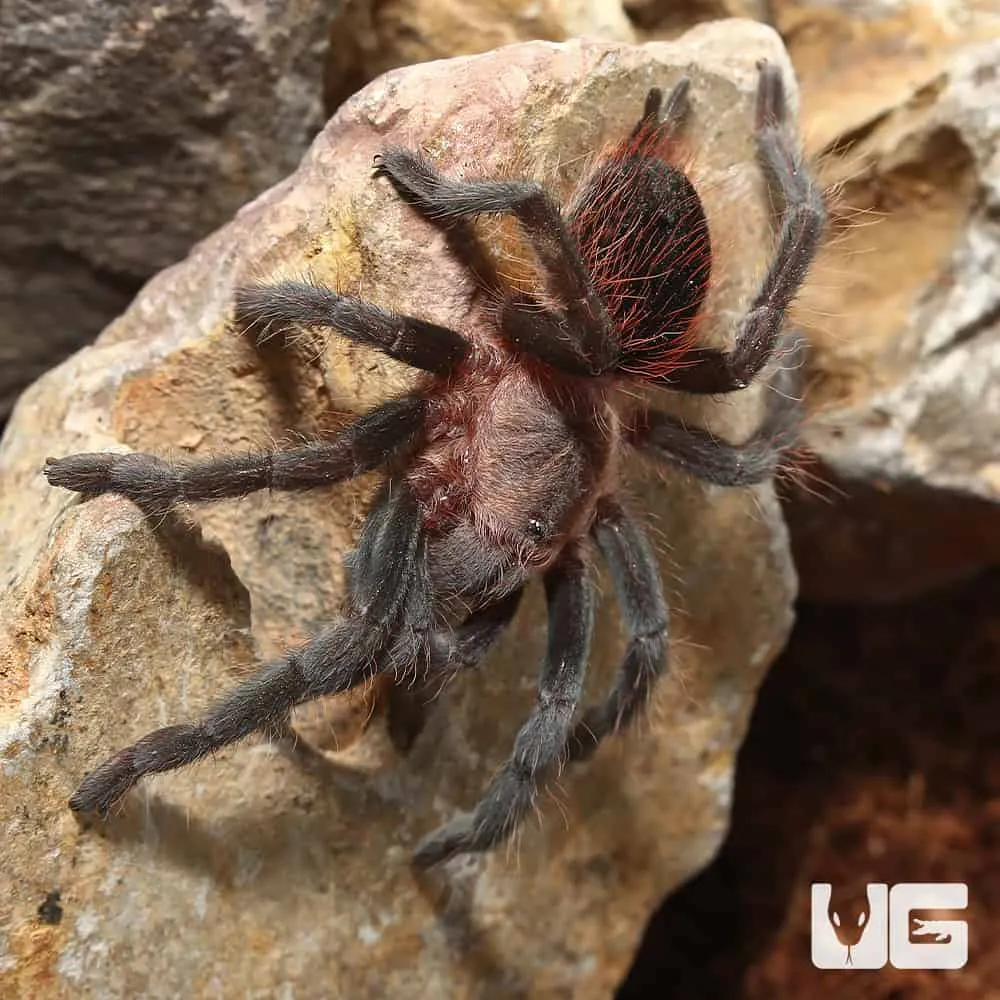
Understanding the Colombian Dwarf Tiger Tarantula (CDTT)
The Colombian Dwarf Tiger Tarantula (Cyriocosmus elegans), often abbreviated as CDTT, is a captivating and increasingly popular pet tarantula. Its striking appearance and relatively small size make it an attractive option for both novice and experienced arachnid enthusiasts. This comprehensive care guide will provide you with all the necessary information to ensure your CDTT thrives in a healthy and stimulating environment. From understanding their unique characteristics to mastering their specific care requirements, you’ll learn how to provide the best possible life for your fascinating eight-legged friend. Proper care not only guarantees the well-being of your tarantula, but also allows you to observe its intriguing behaviors and appreciate its beauty.
CDTT Overview and Characteristics
CDTTs are known for their vibrant coloration and compact size, typically reaching a leg span of only 1.5 to 2 inches. They exhibit a tiger-striped pattern on their carapace and legs, with a dark brown or black base color accented by contrasting yellow or orange markings. These tarantulas are native to the tropical forests of Colombia, hence their name. They are a burrowing species, spending a significant amount of time underground. Their small size makes them relatively easy to house, but also means they require careful handling and a secure enclosure. The CDTT’s lifespan can range from 5 to 10 years, making them a long-term commitment for any pet owner. Their fascinating behaviors, such as their burrowing habits and ambush hunting style, add to their appeal.
CDTT Temperament and Handling
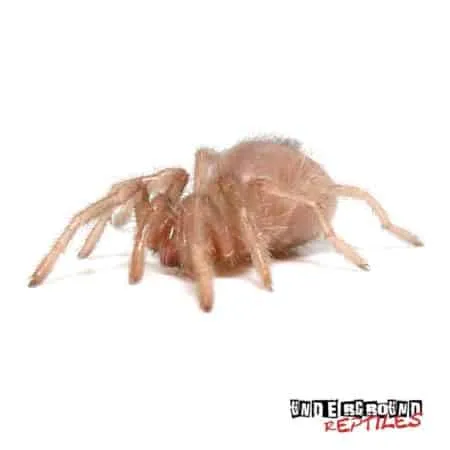
CDTTs are generally considered to be a docile species, but it’s crucial to approach them with respect and caution. While they are not known to be overly defensive, all tarantulas possess the ability to bite, and their venom can cause localized pain and discomfort. It is highly recommended to avoid handling your CDTT unless absolutely necessary, such as for enclosure maintenance or health checks. If handling is unavoidable, use a soft brush to gently encourage the tarantula to move. Never grab or startle them. Remember that each tarantula has its own unique personality. Some CDTTs may be more skittish than others. If your tarantula seems stressed, allow it to retreat to its burrow and refrain from further interaction. Observe from a distance and respect their space, as they are more comfortable in a safe environment.
Creating the Perfect CDTT Habitat
A well-designed habitat is essential for the health and well-being of your CDTT. This section will cover the key elements of creating an optimal living space. The goal is to replicate their natural environment as closely as possible, providing them with security, comfort, and the means to thrive. Proper enclosure design allows you to observe your tarantula’s natural behaviors, enriching your experience as a pet owner. A well-maintained habitat also minimizes stress and reduces the risk of health problems. Let’s dive into the specifics of enclosure, substrate, and environmental controls to provide your CDTT with the best possible home.
Choosing the Right Enclosure for Your CDTT
Due to their small size, CDTTs do not require a large enclosure. A 5 to 10-gallon terrarium or a similarly sized plastic container is generally sufficient. The enclosure should be at least twice as wide as the tarantula’s leg span. Ensure the enclosure has a secure lid to prevent escape, as CDTTs are surprisingly adept at climbing. Ventilation is crucial, so the enclosure should have several small, screened vents to allow for airflow while maintaining humidity. The enclosure’s material should be transparent to allow for easy viewing of your tarantula, allowing you to monitor their activities and overall health. Make sure the enclosure is placed in a location away from direct sunlight and excessive drafts. Keep it away from excessive vibration, which can stress the spider.
Substrate Selection for Your CDTT

The substrate, or bedding, is a critical component of the CDTT’s habitat. It serves multiple purposes, including providing a medium for burrowing, maintaining humidity, and absorbing waste. A good substrate should be able to hold some moisture, but it should not become waterlogged. A mixture of coco fiber, peat moss, and a small amount of vermiculite is ideal. Coco fiber is readily available and offers excellent moisture retention and burrowing capabilities. The substrate layer should be at least 4-6 inches deep to allow the CDTT to create a secure burrow. Avoid using substrates like sand or gravel, as these do not hold moisture effectively and can be difficult for the tarantula to burrow in. Regularly check the substrate for cleanliness and signs of mold, replacing it as needed to maintain a healthy environment.
Maintaining Optimal Humidity and Temperature
CDTTs thrive in a humid environment. The ideal humidity range is between 70% and 80%. You can achieve this by misting the enclosure with dechlorinated water a few times a week, or as needed to maintain the proper humidity levels. Use a hygrometer to monitor the humidity accurately. Ensure the enclosure has proper ventilation to prevent mold growth. The temperature should be maintained between 75°F and 80°F (24°C and 27°C). A small heat mat placed on the side of the enclosure can provide gentle heating. Avoid placing the heat mat directly under the enclosure, as this can cause the substrate to dry out. Never use direct heat sources like heat lamps, as these can easily overheat the enclosure. Monitor the temperature with a thermometer.
Feeding Your Colombian Dwarf Tiger Tarantula
Providing a proper diet is crucial for the health and longevity of your CDTT. They are opportunistic predators and will readily consume a variety of insects. This section will discuss the best food options, feeding frequency, and portion control to ensure your tarantula receives the proper nutrition. Understanding their dietary needs is fundamental to their overall well-being. A well-fed tarantula will grow and molt properly, exhibiting vibrant colors and engaging behaviors. Remember that tarantulas have a slow metabolism, so it’s important not to overfeed them. Always remove any uneaten prey items within 24 hours to prevent potential hazards.
Best Food Options for a Healthy CDTT

The primary food source for CDTTs should consist of appropriately sized insects. Crickets, small cockroaches (like Dubia roaches), and mealworms are excellent choices. The size of the prey should be no larger than the tarantula’s body. It is generally recommended to feed them live insects, as this stimulates their natural hunting instincts. Always ensure that the insects you feed your CDTT are gut-loaded before offering them. This means feeding the insects nutritious food (such as commercial cricket food or fresh vegetables) for 24-48 hours before feeding them to your tarantula. Gut-loading ensures that your tarantula receives a more complete diet, benefiting their overall health. Avoid feeding wild-caught insects, as they may carry parasites or pesticides.
Feeding Frequency and Portion Control
Younger CDTTs (spiderlings and juveniles) should be fed more frequently than adults. Spiderlings can be fed 2-3 times per week. Juveniles can be fed once a week. Adult CDTTs typically need to be fed every 1-2 weeks. The best indicator of whether your tarantula needs to eat is its abdomen size. If the abdomen is plump and round, it is likely well-fed. If the abdomen appears shrunken, the tarantula may need to eat. Observe your tarantula’s behavior and adjust the feeding schedule accordingly. Overfeeding can lead to health problems, while underfeeding can stunt growth. Remove any uneaten prey items within 24 hours to prevent stress and potential injury to your tarantula. Provide a shallow water dish with fresh water at all times.
CDTT Health and Common Issues
Like all living creatures, CDTTs are susceptible to certain health issues. Being aware of common problems and preventative measures is crucial for responsible tarantula ownership. This section will cover common health problems, their identification, and preventative care strategies. Early detection and prompt action can often improve the chances of successful treatment. Regular observation and proper maintenance will keep your tarantula healthy and thriving. Remember, if you suspect your CDTT is ill, consult a veterinarian with experience in exotic animals. A veterinarian can provide a proper diagnosis and treatment.
Identifying Common CDTT Health Problems
Common health problems in CDTTs include dehydration, parasites, and molting issues. Dehydration can result from low humidity, leading to lethargy and difficulty molting. Signs of dehydration include a shrunken abdomen, wrinkled appearance, and inactivity. Parasites, while rare, can infest your tarantula if it is exposed to contaminated prey. Molting issues, such as incomplete molting, can occur if the humidity is too low or if the enclosure is too cramped. Look out for behaviors like loss of appetite, lethargy, and unusual posture. Also, inspect the tarantula’s body for any unusual spots, growths, or discoloration. Regular inspections can help you catch health problems early and treat them.
Preventative Care and Veterinary Advice
Preventative care is vital for maintaining your CDTT’s health. Providing the correct humidity and temperature levels is essential. Always make sure your tarantula has access to fresh, clean water. Feed a varied diet of gut-loaded insects to boost nutritional value and prevent parasites. Quarantine any new tarantulas before introducing them to your established collection to prevent the spread of diseases. Keep the enclosure clean by removing uneaten food, molts, and waste. Regular health checks are important to catch problems early on. If you notice any unusual symptoms, it is important to consult with a veterinarian with experience treating exotic animals. A vet can provide expert advice on diagnosis and treatment. Prevention is always the best medicine.
Breeding Colombian Dwarf Tiger Tarantulas
Breeding CDTTs is an interesting endeavor for experienced tarantula keepers. This section will cover the basics of setting up a breeding environment and the steps involved in the breeding process. However, it’s crucial to remember that breeding tarantulas requires specialized knowledge and a significant commitment. Before attempting to breed your CDTTs, make sure you understand the potential risks, including the possibility of the female eating the male. Breeding tarantulas requires a good understanding of their natural behavior and a suitable environment. Success depends on carefully controlling the conditions and monitoring the spiders closely. It’s essential to research and prepare thoroughly to optimize the chances of success.
Setting Up a Breeding Environment

The breeding environment should simulate the natural habitat of the CDTT. This includes a well-maintained enclosure with appropriate temperature and humidity levels. The enclosure should be set up for the female, with plenty of substrate for burrowing. Introduce the male tarantula into the female’s enclosure after they are both mature. Ensure that both tarantulas are healthy and well-fed before introducing them. The breeding environment needs to be well-ventilated and kept clean. You might want to have a separate enclosure ready to house the female if the breeding process is successful. Provide a variety of hiding places and ensure that the environment remains stress-free.
CDTT Breeding Process and Considerations
The actual breeding process involves carefully introducing the male to the female’s enclosure. The male will typically drum on the substrate to signal his presence. The female will decide whether to accept or reject the male. If she accepts, the male will approach her and attempt to mate. It is essential to monitor the pair closely during the mating process. After mating, the male should be removed from the enclosure to prevent the female from potentially eating him. The female will then lay an egg sac, which she will guard. The eggs will hatch into spiderlings within a few weeks. Raising spiderlings requires significant space, food, and dedicated care. Be prepared for the commitment before attempting to breed your CDTTs. Always prioritize the health and well-being of the tarantulas, and seek expert advice when necessary.
Conclusion
Caring for a Colombian Dwarf Tiger Tarantula can be a rewarding experience. By understanding their specific needs and providing a suitable environment, you can enjoy the beauty and fascinating behaviors of this unique species. Remember that proper care, including a suitable habitat, appropriate feeding, and regular health checks, is essential. With the right knowledge and dedication, you can ensure your CDTT lives a long, healthy, and fulfilling life. Enjoy the unique experience of being a tarantula keeper, and never stop learning about these fascinating creatures. With your effort, your CDTT will thrive and provide you with years of enjoyment.