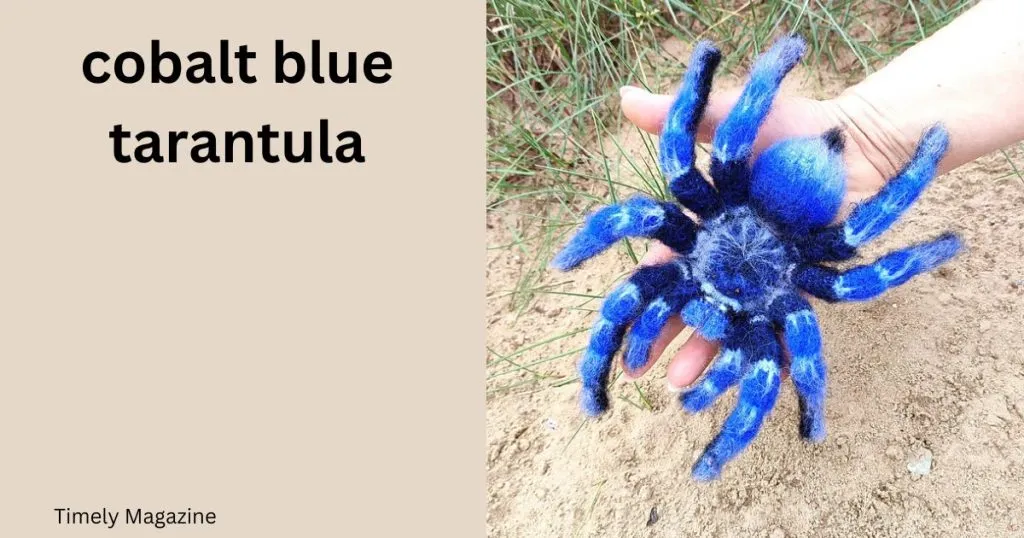
Understanding Cobalt Blue Tarantula Humidity Needs
Caring for a Cobalt Blue Tarantula, like any exotic pet, involves understanding its specific environmental needs. Humidity is one of the most crucial aspects of providing a thriving habitat. Native to the tropical forests of Myanmar and Thailand, these vibrant arachnids require a specific humidity level to ensure their health, well-being, and longevity. This guide will delve into the essentials of Cobalt Blue Tarantula humidity, providing you with the knowledge needed to create the perfect environment for your fascinating pet. Proper humidity management is not just about spraying water; it’s a comprehensive approach that involves enclosure setup, substrate selection, monitoring, and seasonal adjustments. Neglecting these factors can lead to serious health issues, so let’s explore how to get it right.
Ideal Humidity Levels
The ideal humidity range for a Cobalt Blue Tarantula generally falls between 70% and 80%. Maintaining this level is critical for successful molting, proper hydration, and overall health. The tarantula absorbs moisture through its exoskeleton, and insufficient humidity can lead to dehydration and molting problems. Too much humidity, on the other hand, can foster the growth of mold and fungus, which are detrimental to the tarantula’s health. Therefore, a careful balance is essential. Keep in mind that these are guidelines, and slight variations can occur depending on the individual tarantula and its specific environment. Regular monitoring using a reliable hygrometer is crucial to ensuring that these levels are consistently maintained.
Why Humidity Matters

Humidity plays a vital role in the life cycle of a Cobalt Blue Tarantula. Primarily, it facilitates successful molting. Molting is the process by which a tarantula sheds its exoskeleton to grow. During this vulnerable period, the tarantula needs adequate humidity to ensure that the new exoskeleton forms correctly. Insufficient humidity can cause the exoskeleton to harden prematurely, leading to molting difficulties, which can be fatal. Additionally, humidity contributes to the tarantula’s hydration. They absorb moisture through their exoskeleton, and a humid environment helps prevent dehydration. Finally, the right humidity level supports their overall health and well-being, allowing them to thrive in a captive environment. A healthy, well-hydrated tarantula is more active, eats better, and is less susceptible to illness.
Symptoms of Incorrect Humidity
Recognizing the signs of incorrect humidity is essential for prompt intervention. Inadequate humidity can lead to several noticeable symptoms. One of the most common is difficulty molting, where the tarantula struggles to shed its old exoskeleton. This can result in incomplete molts, limb loss, or even death. Dehydration is another key indicator, often characterized by a shriveled abdomen. Other signs include lethargy, lack of appetite, and a reluctance to move. Conversely, excessive humidity can also pose problems. This can manifest as mold growth within the enclosure, which can be identified by visible discoloration or a musty smell. Overly humid conditions may also result in fungal infections on the tarantula’s body. Regularly observe your Cobalt Blue Tarantula and its enclosure for any of these warning signs.
Choosing the Right Enclosure
The right enclosure is the foundation for maintaining the correct humidity levels. The enclosure should be made of a material that retains moisture well, such as glass or acrylic. Ensure the enclosure has a secure lid to prevent escapes and to help retain humidity. The size of the enclosure should be appropriate for the size of your tarantula, with enough space for it to move around and burrow if it chooses. A good rule of thumb is to provide a space that is at least twice the tarantula’s leg span in width and length. Ventilation is a critical consideration and must be balanced with the need for humidity. Too much ventilation can dry out the enclosure, while too little can lead to excessive humidity and mold growth. The enclosure setup directly impacts humidity management.
Ventilation and Humidity Balance

Finding the right balance between ventilation and humidity is crucial. Proper ventilation prevents the buildup of excessive moisture and the growth of mold. However, too much ventilation can lead to a dry environment. The ideal enclosure design incorporates ventilation that allows for air circulation without significantly reducing humidity. This often involves strategically placed vent holes, usually along the sides or top of the enclosure. Monitor the humidity levels closely and adjust ventilation as needed. If the humidity is consistently too low, reduce the ventilation by partially covering the vent holes. If the humidity is too high, increase ventilation by opening more vent holes. The goal is to create a stable, well-ventilated environment that supports the ideal humidity range for your Cobalt Blue Tarantula. The balance is key to a healthy environment.
Substrate Selection for Humidity
The substrate you choose plays a significant role in maintaining the desired humidity. The ideal substrate should be able to retain moisture without becoming waterlogged. Excellent choices include a mix of coco fiber, peat moss, and sphagnum moss. These substrates are known for their excellent moisture-retaining properties and are readily available at most pet stores. Avoid substrates like sand or gravel, which do not hold moisture well and can contribute to a dry environment. The depth of the substrate should be sufficient for the tarantula to burrow if it chooses, which also aids in humidity regulation. A depth of 4-6 inches is usually adequate for a Cobalt Blue Tarantula. Regularly check the substrate for mold growth and replace it when necessary to maintain a healthy environment. Your tarantula will thank you.
Watering Techniques
Proper watering techniques are essential for maintaining optimal humidity and hydration. There are two primary methods for watering a Cobalt Blue Tarantula: misting and providing a water dish. Misting is a direct way to increase humidity, while a water dish provides a constant source of hydration. It’s important to strike a balance between these methods to avoid over- or under-hydration. Monitoring the humidity levels in the enclosure and adjusting your watering schedule accordingly is essential. Using purified water is also critical to prevent the introduction of harmful chemicals or minerals that can affect your tarantula’s health. Consistent monitoring and adjustment are key to successful hydration.
Misting Strategies

Misting is a crucial part of maintaining proper humidity levels. Use a fine mist spray bottle to gently mist the enclosure, focusing on the substrate and the sides of the enclosure. Avoid spraying the tarantula directly, as this can cause stress. The frequency of misting depends on the ambient humidity and the enclosure setup. Generally, misting once or twice a week is sufficient, but this can vary. Monitor the humidity levels with a hygrometer and adjust the misting schedule accordingly. If the humidity is too low, mist more frequently. If it is too high, reduce the frequency. Be sure to allow the enclosure to dry slightly between misting sessions to prevent mold and fungus. Watch your tarantula for signs of dehydration and adjust the misting schedule as needed. Consider misting more frequently during molting periods to aid the process.
Water Dish Considerations
A shallow water dish is a vital component of the Cobalt Blue Tarantula’s habitat. It provides a constant source of hydration and helps to maintain humidity. The water dish should be shallow enough to prevent the tarantula from drowning, especially for smaller specimens. Use a dish that is stable and won’t easily tip over. Clean the water dish regularly, ideally once or twice a week, to prevent bacterial growth. Fresh, purified water should always be available. The size of the water dish should be appropriate for the tarantula’s size. Some tarantulas may also drink from the condensation on the sides of the enclosure, so ensuring a proper misting schedule helps with hydration. A water dish is a simple but essential element in your tarantula’s care.
Monitoring Humidity Levels
Regular monitoring of humidity levels is crucial to ensure the well-being of your Cobalt Blue Tarantula. This involves using a reliable hygrometer and adjusting the environment based on the readings. Without consistent monitoring, it’s difficult to know if the humidity is within the optimal range, and you may not notice problems until they become serious. Knowing how to use the equipment correctly is key, and you should understand how to interpret the readings to keep your tarantula healthy. It is one of the most important things you can do as a pet owner.
Using a Hygrometer
A hygrometer is an essential tool for monitoring humidity levels. Choose a digital hygrometer that is accurate and easy to read. Place the hygrometer inside the enclosure, ideally in a location away from direct misting to get a more accurate reading. Calibrate the hygrometer periodically to ensure accuracy. Many hygrometers can also measure temperature, providing a comprehensive overview of the enclosure’s environment. Regularly check the hygrometer readings and record them to track any fluctuations in humidity. Consider using multiple hygrometers to get readings from different parts of the enclosure. Knowing how to correctly use and interpret a hygrometer is essential for maintaining a healthy habitat for your Cobalt Blue Tarantula. Make sure the hygrometer is placed correctly, and you understand its readings.
Adjusting Humidity Based on Readings
Once you have a hygrometer, the key is to adjust your methods to maintain the perfect environment. If the humidity readings are consistently below the ideal range of 70-80%, you may need to increase the frequency of misting, add more moisture-retaining substrate, or reduce ventilation. Conversely, if the humidity is consistently too high, reduce the frequency of misting, increase ventilation, or add a dehumidifying agent. The specific adjustments will depend on your enclosure setup and the environmental conditions. Keep a log of your humidity readings and the adjustments you make. This will help you understand what works best for your tarantula and its environment. Pay attention to the tarantula’s behavior and appearance. Any changes in your methods should be made gradually to avoid sudden shifts in humidity. Proper monitoring and adjustment are essential.
Maintaining a Healthy Habitat
Maintaining a healthy habitat involves more than just controlling humidity. It encompasses a range of practices that work together to ensure your Cobalt Blue Tarantula thrives. These practices include regular enclosure maintenance, appropriate temperature management, and a balanced feeding schedule. Keeping the enclosure clean, providing proper ventilation, and preventing the buildup of waste are all critical. Proper care is also important to maintaining a healthy and stress-free pet. It is a commitment that involves daily, weekly, and monthly care.
Preventing Mold and Fungus

Mold and fungus can be detrimental to a Cobalt Blue Tarantula’s health. Preventative measures are crucial. Proper ventilation is essential to prevent the buildup of excess moisture, which fosters mold growth. Avoid over-misting and allow the substrate to dry slightly between misting sessions. Regularly inspect the enclosure for any signs of mold or fungus. If you find any, remove the affected substrate and replace it with fresh, clean substrate. Improve ventilation if necessary. Ensure that you do not use any food items that could become moldy. Maintaining a clean environment is crucial to preventing these health hazards. If mold or fungus is detected, take immediate action to eradicate it. A clean enclosure contributes significantly to the overall well-being of your pet.
Seasonal Adjustments
Seasonal changes can affect the humidity levels within your tarantula’s enclosure. During colder months, the ambient humidity may be lower, requiring more frequent misting or the use of a humidifier to maintain the correct humidity. Conversely, during warmer, more humid months, you may need to reduce misting and increase ventilation. Monitoring the environment and adjusting your care routine seasonally is essential. Keep a record of the seasonal changes and how your tarantula responds. This information will help you to refine your care practices and ensure that your pet is always in a comfortable and healthy environment. Adaptation is key.
In conclusion, maintaining the correct humidity for your Cobalt Blue Tarantula is a fundamental aspect of responsible pet ownership. By understanding the ideal humidity levels, implementing proper enclosure setup, using appropriate watering techniques, and regularly monitoring the environment, you can create a thriving habitat for your fascinating arachnid. Remember that consistency and attention to detail are essential for ensuring the health, well-being, and longevity of your Cobalt Blue Tarantula. This commitment will allow you to enjoy the beauty and unique characteristics of this captivating species for years to come.