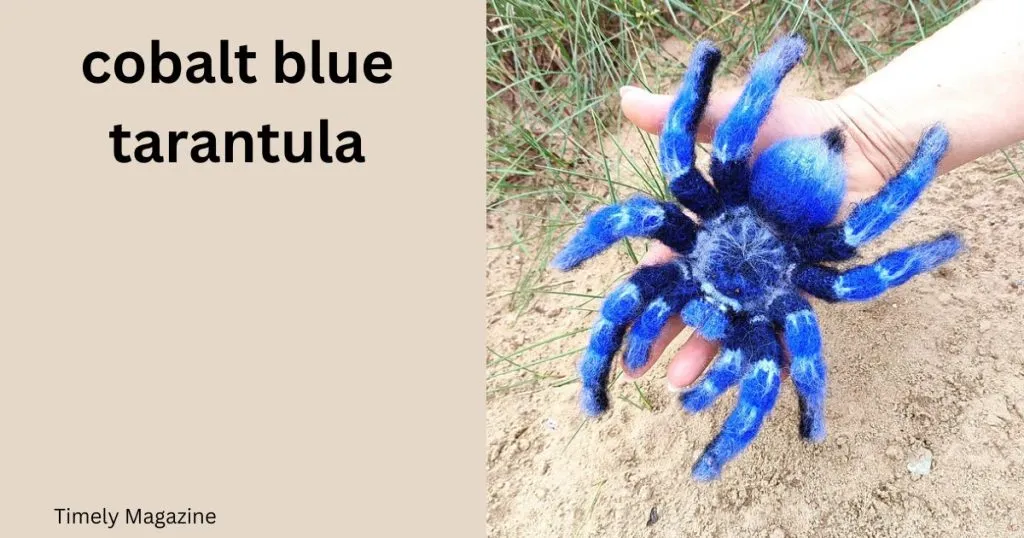
What is a Cobalt Blue Tarantula?
The Cobalt Blue Tarantula (Cyriopagopus lividus) is a stunning and sought-after species in the tarantula world. Its captivating appearance, with metallic blue legs and a contrasting dark body, makes it a favorite among arachnid enthusiasts. Hailing from the tropical rainforests of Southeast Asia, this species has become a popular, albeit challenging, pet. Understanding their needs, from habitat to handling, is crucial for providing proper care and ensuring a healthy life for this impressive creature. Their beauty and unique characteristics also mean a heightened responsibility for those who choose to keep them.
Origin and Habitat of Cobalt Blue Tarantulas
Native to the tropical regions of Myanmar and Thailand, Cobalt Blue Tarantulas thrive in warm, humid environments. Their natural habitat consists of rainforests, where they typically create burrows or find shelter in crevices on the forest floor. The specific conditions of their native environment are vital for their well-being. Replicating these conditions is crucial for successful captive care, and understanding their origin helps us meet those needs. Conservation of their natural habitat is also important, as their population is affected by deforestation and the pet trade.
Appearance and Characteristics of Cobalt Blue Tarantulas

Cobalt Blue Tarantulas are renowned for their striking appearance and unique characteristics. Their vibrant blue legs are the most distinctive feature, contrasting beautifully with their dark bodies. Understanding their physical traits, coloration, and behaviors is important for both appreciation and responsible care. From their physical attributes to their behavior, every aspect contributes to their appeal and overall mystique.
Physical Features
The most recognizable feature of the Cobalt Blue Tarantula is, of course, its vibrant blue legs. These legs are a striking metallic blue, contrasted by a dark gray or black carapace and abdomen. They are a medium-sized tarantula, with adults typically reaching a leg span of 5 to 6 inches. They possess strong chelicerae (mouthparts) that are capable of delivering a bite and pedipalps, which aid in sensory perception and handling prey. These physical attributes, combined with their unique coloration, make them a distinctive and visually appealing species.
Coloration and Distinctive Traits
The iridescent blue coloration on the legs and sometimes the carapace is the most distinctive trait of the Cobalt Blue Tarantula. The intensity of the blue can vary, with factors such as age, health, and even mood affecting the vibrancy. They also exhibit a relatively fast growth rate for a tarantula and are known for their defensive behavior. Understanding these traits and tendencies helps in providing proper care and appreciating the nuances of this species.
Are Cobalt Blue Tarantulas Giftig?

The term ‘giftig’ in German means poisonous or venomous. All tarantulas are venomous, including the Cobalt Blue Tarantula, but their venom is not generally considered lethal to humans. Their bite can be painful, comparable to a bee sting, and cause localized symptoms. It is important to approach tarantulas with caution and respect to avoid being bitten, and to be aware of the potential for allergic reactions. Always prioritize safety when handling them.
Toxicity and Venom Potency
Cobalt Blue Tarantula venom is considered moderately potent. While not life-threatening to humans, it can induce localized pain, muscle cramps, and swelling at the bite site. The venom primarily affects the nervous system, resulting in temporary symptoms. The potency can slightly vary depending on the individual tarantula, age, and other factors. The severity of the reaction can also depend on the individual’s sensitivity and any existing allergies.
Symptoms of a Bite
If bitten by a Cobalt Blue Tarantula, the immediate symptoms include pain, redness, and swelling at the bite site. Other common symptoms may include muscle cramps, itching, and localized numbness. In rare cases, systemic effects such as nausea, headache, or fever may occur. Symptoms usually subside within a few hours to a few days. If experiencing severe symptoms, such as difficulty breathing or extensive swelling, seek immediate medical attention as this could indicate an allergic reaction or a severe response.
Cobalt Blue Tarantula Care and Handling

Providing appropriate care for a Cobalt Blue Tarantula involves creating a suitable habitat and practicing safe handling techniques. Their well-being depends on fulfilling specific environmental requirements and respecting their natural behaviors. Being prepared and informed will help in building a responsible and satisfying tarantula-keeping experience.
Ideal Enclosure Setup
The enclosure should be secure, well-ventilated, and designed for a terrestrial species. A horizontally oriented terrarium is best, providing ample floor space for movement. The substrate should consist of a mixture of peat moss, coconut fiber, and vermiculite to maintain proper humidity. A water dish must always be available and kept clean, and the temperature should be between 75-85°F (24-29°C). Providing hiding places like cork bark or artificial plants creates a secure environment. Ensuring the enclosure is escape-proof is crucial.
Feeding and Diet
Cobalt Blue Tarantulas are carnivores, thriving on a diet of insects. A varied diet of crickets, roaches, and mealworms is suitable. The prey’s size should match the tarantula’s size; young tarantulas need smaller prey. Juveniles can be fed every few days, while adults can be fed once or twice a week. Removing uneaten food is essential for a clean enclosure. Providing a diverse diet ensures optimal nutrition.
Temperament and Handling Tips

Cobalt Blue Tarantulas are known to be defensive and should be handled as little as possible. If handling is necessary, move slowly and avoid sudden movements. It is always best to handle them close to the ground or over a soft surface to minimize potential injury if they drop. Always wash hands before and after handling and be attentive to the tarantula’s body language. Respecting their space minimizes stress and ensures a safe experience.
Cobalt Blue Tarantula as Pets
Cobalt Blue Tarantulas can make captivating pets for experienced tarantula keepers. Their beauty and unique characteristics draw attention, but their specific needs call for responsible ownership. Prospective owners should fully understand the commitment and knowledge necessary before acquiring one. Careful consideration is vital.
Pros and Cons of Ownership
Owning a Cobalt Blue Tarantula presents both benefits and challenges. The advantages include their stunning appearance, relatively low-maintenance care, and the intriguing experience of observing their behavior. The disadvantages include specialized enclosure needs, the potential for bites, their defensive tendencies, and the responsibility that comes with exotic pet ownership. Assessing these pros and cons is crucial for making an informed decision.
Where to Acquire a Cobalt Blue Tarantula

Cobalt Blue Tarantulas are available from reputable breeders, specialty pet stores, and online marketplaces. When purchasing, verify the seller’s expertise and the origin and health of the tarantula. Avoid purchasing from unverified sources and research the seller’s reputation. Always prioritize the animal’s welfare and ethical sourcing when acquiring a Cobalt Blue Tarantula, ensuring a positive experience for both the keeper and the tarantula.