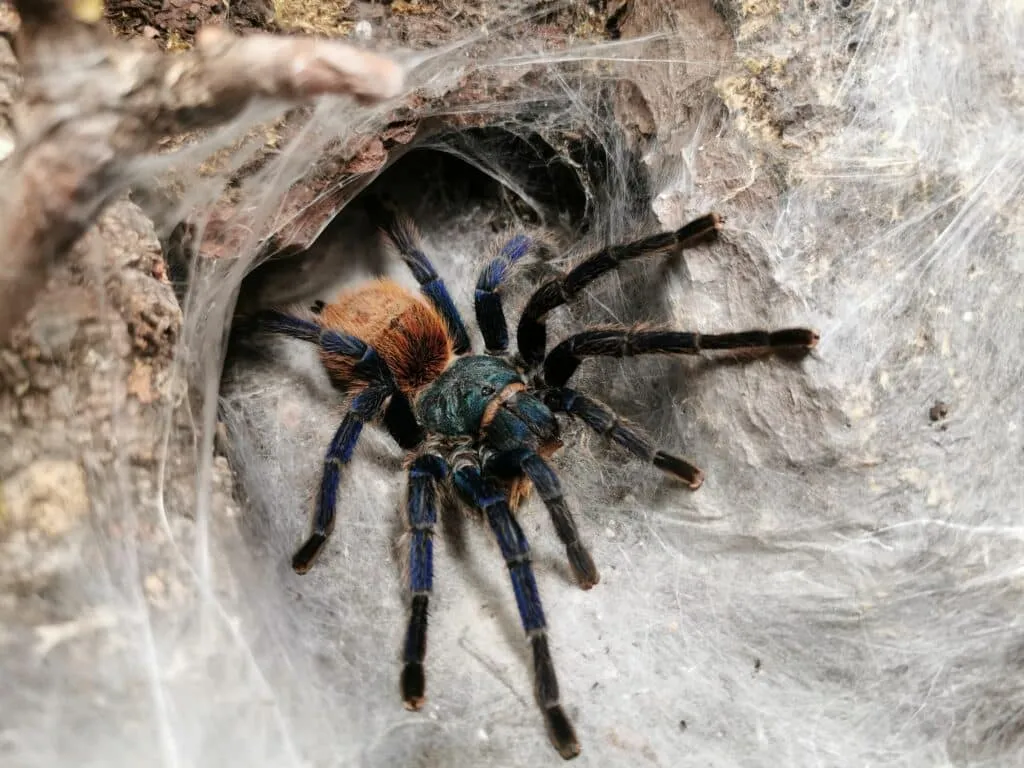
Choosing Your Chroma Tarantula
Bringing a Chroma Tarantula into your home can be an incredibly rewarding experience, offering a unique glimpse into the fascinating world of arachnids. However, responsible ownership starts long before you welcome your eight-legged friend. This guide provides essential care tips to ensure your tarantula thrives. The initial stages of owning a chroma tarantula involve careful consideration and preparation. You’ll want to start with research, understanding the specific needs of the species you’re interested in, as different tarantulas have distinct requirements regarding habitat, diet, and temperament. This understanding is crucial for creating an environment where your tarantula can live a long, healthy life. Furthermore, securing a reliable source for your tarantula is paramount. Choose reputable breeders or pet stores that prioritize the health and well-being of their animals.
Selecting a Healthy Tarantula
The selection process demands diligence. A healthy tarantula is the cornerstone of successful ownership. Prior to acquisition, closely observe the tarantula’s behavior and physical condition. A healthy tarantula should be alert, responsive, and exhibit a normal posture. Avoid tarantulas that appear lethargic, uncoordinated, or show signs of distress. Furthermore, assess the tarantula’s physical attributes. Look for a plump abdomen, indicating adequate feeding, and ensure the tarantula’s legs are intact and functional. The presence of missing limbs or other physical abnormalities can indicate underlying health issues or previous trauma. Pay close attention to the overall cleanliness of the enclosure and the tarantula itself, as a dirty environment can lead to health complications. A keen eye during the selection process is essential.
Identifying a Healthy Tarantula

Several tell-tale signs indicate a healthy chroma tarantula. These creatures should be active during the evenings, when they are most active, and should display a robust appetite. A healthy tarantula will readily consume prey items offered, indicating a strong interest in feeding. The abdomen should be round and full, rather than shriveled, as this is an indicator of dehydration or underfeeding. Look for a clean, unblemished appearance, free from parasites or injuries. The fangs should be intact and sharp, while the pedipalps (small leg-like appendages near the mouth) should move freely. Ensure that there are no signs of mites, which can appear as tiny, moving specks. Observe the tarantula’s walking and climbing ability; they should move with purpose and coordination within its enclosure.
Avoiding Common Pitfalls
Certain factors can negatively affect a chroma tarantula’s well-being, and avoiding these pitfalls is critical. One common mistake is providing an enclosure that is too small or poorly ventilated, which can lead to stress and health problems. Another common issue is failing to maintain the correct temperature and humidity levels, which are essential for molting and overall health. Overfeeding is also a concern; excessive amounts of food can lead to obesity, which can be harmful. Improper substrate selection can cause issues. Avoid sharp or abrasive materials, which can damage the tarantula’s exoskeleton. Finally, be wary of handling your tarantula frequently, as excessive handling can cause stress and injury. Prioritizing these factors is important for the well-being of your tarantula.
Setting Up the Perfect Habitat
Creating an appropriate habitat is a cornerstone of chroma tarantula care. The enclosure should mimic the tarantula’s natural environment, providing essential elements for its survival and well-being. The size and design of the enclosure should be tailored to the tarantula’s species and size. The right habitat setup is crucial. It should allow the tarantula to move around freely, hunt, and burrow if the species is a burrowing type. A well-designed habitat minimizes stress and enhances the quality of life for your pet. This setup includes aspects like the size of the enclosure, the substrate, and the temperature and humidity.
Enclosure Size and Type

Choosing the right enclosure depends on the tarantula species and its adult size. A good rule of thumb is to provide a space that is at least twice the tarantula’s leg span in width and length. For arboreal species, height is also important, allowing for climbing and web-building. Consider both the dimensions and the material of the enclosure. Glass or clear plastic enclosures are ideal, allowing for easy observation and ventilation. Ensure the enclosure has a secure lid to prevent escapes, which tarantulas are surprisingly adept at. The enclosure should have sufficient ventilation holes to ensure fresh air circulation but not so large that they compromise the security of the enclosure or allow for excessive humidity loss. The environment should be enriching, stimulating the spider to explore its surroundings and exhibit natural behaviors.
Substrate Selection and Depth
The substrate, or bedding, forms the foundation of the tarantula’s habitat and plays a crucial role in maintaining humidity and providing a comfortable environment. The best substrate options include a mix of peat moss, coconut fiber, and vermiculite. These materials are excellent at retaining moisture and allowing the tarantula to burrow. The depth of the substrate depends on the species. Terrestrial species need several inches of substrate to burrow. Arboreal species require less substrate. Regularly check and maintain the substrate to ensure it remains clean. Remove any uneaten food or waste. A clean substrate promotes good health and prevents the build-up of harmful bacteria and mold. Avoid substrates with sharp edges or chemicals that could harm the tarantula.
Temperature and Humidity Control
Temperature and humidity are critical factors in a chroma tarantula’s health. Most tarantulas thrive in temperatures between 75-85°F (24-29°C). A heat mat or ceramic heat emitter can be used to maintain the desired temperature, but always ensure there is no direct contact between the heat source and the enclosure to prevent overheating. The humidity level should be species-specific, but generally ranges between 60-80%. Use a hygrometer to monitor humidity levels. Regular misting or a water dish can help maintain humidity. Too much or too little humidity can cause problems, so closely monitor and adjust as needed. Remember that proper temperature and humidity are crucial for the molting process, during which the tarantula sheds its exoskeleton.
Feeding Your Chroma Tarantula

Proper nutrition is essential for your chroma tarantula’s health and longevity. A well-balanced diet ensures that your tarantula receives all the necessary nutrients to grow and thrive. The diet should closely replicate what they would eat in their natural environment. It should consist of live insects, appropriate for the size of your tarantula. Carefully selecting and managing your tarantula’s diet will help your pet live a long life. Considerations include prey, how much to feed, and how often. The approach should be tailored to the tarantula’s specific needs and life stage.
Appropriate Prey Items
The primary food source for chroma tarantulas should be live insects. Suitable prey items include crickets, mealworms, roaches, and other commercially available insects. The size of the prey should be appropriate for the tarantula’s size. As a general rule, the prey item should be no larger than the tarantula’s abdomen. Avoid feeding wild-caught insects, as they may carry parasites or pesticides. Ensure the insects are gut-loaded before offering them to your tarantula. Gut-loading involves feeding the insects a nutritious diet, which in turn, passes those nutrients to the tarantula. Variety in the diet is beneficial, so rotate between different insect types to ensure a balanced intake of nutrients.
Feeding Frequency and Amounts
The feeding frequency depends on the tarantula’s age, size, and species. Young tarantulas (spiderlings) should be fed more frequently, usually two to three times per week. Adult tarantulas can be fed once a week or every other week. Observe the tarantula’s abdomen to assess its feeding needs. A plump abdomen indicates that it is well-fed. Overfeeding can lead to health problems, so it’s better to err on the side of caution. Remove uneaten prey items after 24 hours to prevent stress and reduce the risk of mold or mites. Be prepared for the tarantula to refuse food, particularly before molting, which is a normal behavior.
Watering and Hydration

Access to clean water is essential for all tarantulas. Provide a shallow water dish filled with fresh, clean water at all times. Ensure the water dish is shallow enough that the tarantula can easily access it without the risk of drowning. For spiderlings, you may need to use a bottle cap filled with water. In addition to a water dish, misting the enclosure lightly every few days can help maintain humidity and provide another source of water. Be careful not to over-mist, as this can lead to mold growth. A well-hydrated tarantula is essential for its overall health, molting process, and longevity.
Handling and Safety
Handling a chroma tarantula should be approached with caution. While tarantulas are not typically aggressive, they can bite if they feel threatened. Furthermore, their urticating hairs (tiny barbed hairs) can cause skin irritation in humans. Always prioritize the tarantula’s safety and your own. If handled incorrectly, both can be harmed. Handling is best avoided unless absolutely necessary, such as when cleaning the enclosure or moving the tarantula to a new habitat.
Safe Handling Practices
If handling is necessary, do so with extreme care. Approach the tarantula slowly and calmly. Avoid sudden movements that could startle the tarantula. Use a soft brush to gently guide the tarantula into a container if necessary. Never force a tarantula to move or handle it in a way that causes stress. Always wash your hands thoroughly before and after handling to reduce the risk of contamination. Be aware of the urticating hairs on the tarantula’s abdomen. These hairs can be released as a defense mechanism and can cause skin irritation. If urticating hairs come into contact with your skin, avoid touching your eyes and wash the affected area with soap and water. Do not handle the tarantula in areas where it could fall and be injured.
Understanding Tarantula Behavior

Understanding tarantula behavior is key to safe handling. Tarantulas exhibit various behaviors, and recognizing these can help prevent potential issues. Some tarantulas are naturally more docile than others, while some are more defensive. Observe the tarantula’s posture and movements. A tarantula that raises its front legs and displays its fangs is signaling a defensive posture. A defensive posture requires that you back off. If your tarantula flicks hairs, this is another sign that it feels threatened. A healthy tarantula will have a good appetite, be active, and move smoothly. A tarantula that is about to molt may become reclusive and stop eating. Become familiar with the specific behaviors of the species you own. Respecting the tarantula’s boundaries is crucial to building a good relationship and keeping both you and your tarantula safe.
Common Health Issues and Prevention
Preventing health issues is a vital part of chroma tarantula care. Regular observation, proper husbandry, and prompt action can minimize the risk of illness and ensure your tarantula’s well-being. Be vigilant in monitoring your tarantula’s behavior, appetite, and physical condition. Early detection of health issues can greatly improve the chances of successful treatment. Proper prevention methods include keeping the enclosure clean, maintaining proper temperature and humidity levels, and providing a balanced diet.
Recognizing Signs of Illness
Be aware of the signs of illness in your tarantula. Some common indicators include lethargy, loss of appetite, unusual posture or movements, and changes in the abdomen’s appearance. If your tarantula stops eating for an extended period, this could be a sign of a problem. Unusual behavior, such as excessive burrowing or hiding, may indicate stress or illness. Inspect the tarantula’s legs and body for any signs of mites or other parasites. Any discoloration or unusual spots on the abdomen, legs, or fangs warrant attention. Watch for a decline in activity or a lack of coordination. If you observe any of these signs, consult with a veterinarian experienced in treating exotic animals.
Preventative Measures and Veterinary Care

Preventative measures are essential for maintaining your tarantula’s health. Keep the enclosure clean and maintain the appropriate humidity levels to prevent the growth of mold or bacteria. Provide a balanced diet to boost the tarantula’s immune system. Regular inspection of the tarantula and its enclosure can help identify potential problems early on. If you suspect that your tarantula is ill, consult a veterinarian experienced in treating exotic animals. While tarantulas do not typically require regular veterinary checkups, a vet can help diagnose and treat any health problems. It’s a good idea to establish a relationship with an exotic animal vet prior to a problem so that you will have someone to contact if needed. Early intervention can greatly improve your tarantula’s chance of recovery.