What is a Chilean Rose Tarantula?
The Chilean Rose Tarantula (Grammostola rosea), also known as the Rose Hair Tarantula, is a popular pet tarantula, especially among beginners. Originating from the deserts of Chile, Argentina, and Bolivia, this species is known for its docile temperament and relatively easy care requirements, making it a fantastic option for those new to the world of tarantula ownership. Their popularity stems from their beautiful coloration, with a base color that varies from a copper-brown to a rose hue, hence the name. These arachnids offer a captivating glimpse into the world of invertebrates, and their low maintenance needs make them a compelling choice for many pet owners. This article will guide you through the costs associated with owning a Chilean Rose Tarantula, helping you budget and prepare for this fascinating pet.
Appearance and Characteristics
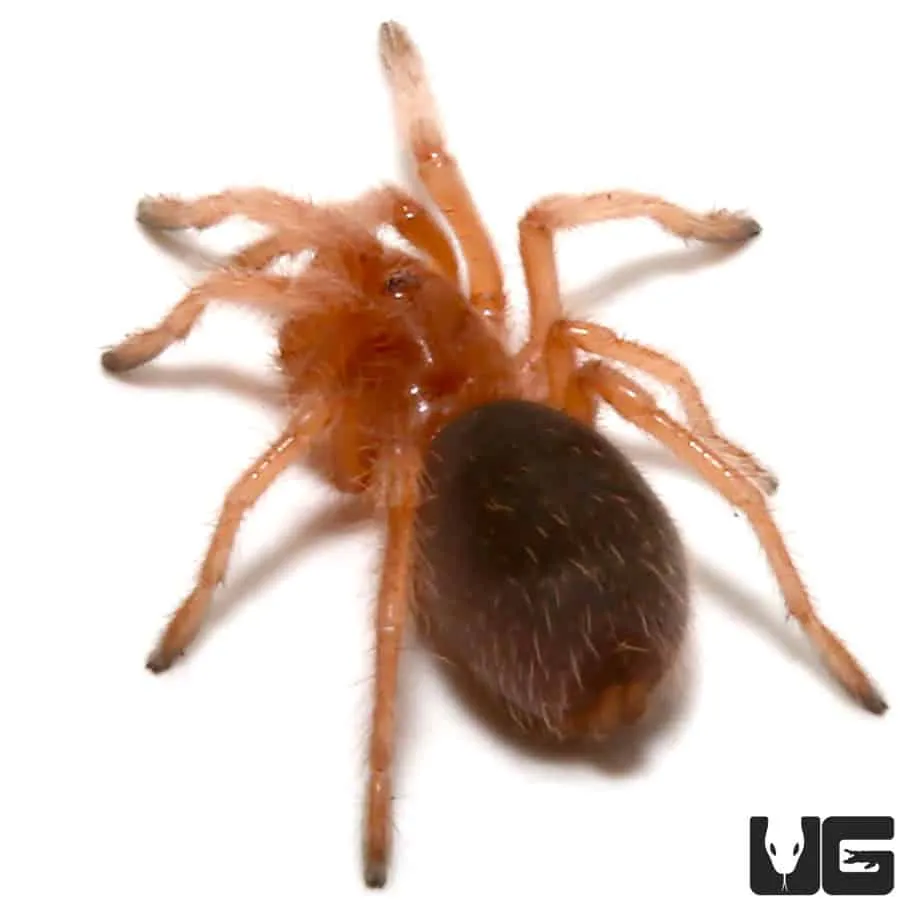
Chilean Rose Tarantulas boast a distinctive appearance that contributes to their appeal. Adult females typically range from 5 to 6 inches in leg span, while males are usually smaller. The body is covered in a coat of fine hairs, with the overall color varying from a rich brown to a softer rose or copper hue. The carapace, the shell-like covering on their back, is often a darker shade, creating a beautiful contrast. They have eight eyes arranged in two rows, which they use to detect movement and light. Their chelicerae (fangs) are used for injecting venom and manipulating food. These tarantulas are generally slow-moving, making them easy to observe and handle (though caution is always advised). Their calm demeanor and attractive appearance make them an excellent choice for pet owners who appreciate a unique and interesting pet.
Lifespan and Temperament

One of the major attractions of the Chilean Rose Tarantula is its long lifespan. Females can live for an impressive 15 to 20 years, while males have a shorter lifespan, typically 5 to 7 years. This longevity is a significant commitment for any pet owner, so it’s important to be prepared for the long-term responsibility. In terms of temperament, these tarantulas are known to be quite docile. They are not aggressive and rarely bite unless provoked or threatened. When they feel threatened, they may flick urticating hairs from their abdomen, which can cause skin irritation. Overall, their calm nature makes them a good choice for those new to tarantula ownership, provided proper care and handling guidelines are followed.
Factors Influencing the Price
Several factors can impact the price of a Chilean Rose Tarantula, influencing the initial cost you’ll incur. These factors can range from the tarantula’s size and age to the breeder’s reputation. Understanding these influences can help you make an informed decision when purchasing your pet.
Size and Age of the Tarantula
The age and size of the Chilean Rose Tarantula significantly affect its price. Younger tarantulas, or spiderlings, are typically less expensive than older, more mature specimens. Spiderlings are smaller and more fragile, requiring more specialized care, which often translates to a lower initial price. As the tarantula grows, its value increases. Adult tarantulas, particularly females, are often more expensive due to their larger size and longer lifespans. Furthermore, the sex of the tarantula can influence the price. As mentioned earlier, females tend to live longer and are usually priced higher than males. This difference in price reflects their longer lifespan and the potential for breeding, which can be a consideration for some owners.
Morphs and Color Variations

While Chilean Rose Tarantulas generally have a standard appearance, there can be slight variations in color and patterns. Although these variations are not as dramatic as in some other tarantula species, some individuals may exhibit unique shades of rose, copper, or brown. These subtle differences might influence the price, with more unique or striking colorations potentially commanding a slightly higher price. The demand for a specific color variation is subjective and can vary among enthusiasts. However, the classic appearance of a healthy, well-cared-for Chilean Rose Tarantula is often the most sought after, and thus, may be priced accordingly. Always research the breeder and ensure the tarantula comes from a reputable source to avoid any health issues associated with specific morphs.
Seller Reputation and Source
The reputation of the seller or breeder is a critical factor in determining the price and quality of the tarantula. Reputable breeders prioritize the health and well-being of their tarantulas, ensuring they are properly cared for and free from diseases or parasites. They often provide valuable information about the tarantula’s origin, age, and care requirements. Purchasing from a reputable source might mean paying a little more, but it offers peace of mind and reduces the risk of acquiring an unhealthy specimen. Avoid sellers who are not transparent about the tarantula’s origins or care practices. Consider reviews, testimonials, and the breeder’s overall reputation within the tarantula community before making a purchase. Your tarantula’s long-term health and happiness heavily depend on the initial selection process.
Where to Buy a Chilean Rose Tarantula?
Finding a Chilean Rose Tarantula involves choosing the right source. There are several avenues to consider, each with its advantages and potential drawbacks. This section will explore the most common options, guiding you in making an informed decision about where to acquire your new pet.
Online Tarantula Retailers

Online retailers offer a convenient way to purchase Chilean Rose Tarantulas. They usually have a wide selection of tarantulas from different breeders. This also includes detailed information about each tarantula. However, it is important to thoroughly research the retailer and read reviews before making a purchase. Ensure that the retailer provides safe and reliable shipping methods to minimize stress on the tarantula. Look for retailers that offer a guarantee of live arrival and have a good reputation for customer service. Purchasing online can be a great option if you are unable to find a local breeder or pet store that sells tarantulas. Carefully evaluating the retailer and the shipping process is vital to the wellbeing of the tarantula.
Local Pet Stores and Breeders
Local pet stores and breeders offer the benefit of seeing the tarantula in person before making a purchase. This allows you to assess its health, temperament, and overall condition. Local breeders, in particular, can offer valuable insights and advice on the care and handling of the tarantula, as they are usually more knowledgeable about the species. They are often passionate about tarantulas and can provide personalized guidance to help you care for your new pet. If you choose this option, it is crucial to visit the store or breeder and observe the environment the tarantulas are kept in. Ensure that the enclosures are clean, well-maintained, and provide the appropriate environmental conditions. This hands-on approach allows for a more informed decision and offers the potential for a long-term relationship with a local expert.
Cost of Supplies and Habitat
Besides the initial cost of the tarantula, you’ll need to invest in supplies and a suitable habitat. These costs can vary depending on the size and complexity of the setup, but they are essential for providing a healthy and comfortable environment for your pet. Properly equipping its habitat is a crucial aspect of tarantula ownership, contributing significantly to its overall wellbeing and longevity.
Enclosure Requirements

A proper enclosure is essential for housing your Chilean Rose Tarantula. The size of the enclosure will depend on the size of the tarantula. For juveniles, a small, escape-proof container can be used. Adults will need a larger enclosure, usually around 10-gallon tank or larger, to allow for movement and a comfortable living space. The enclosure should have a secure lid to prevent escapes, as well as proper ventilation. The habitat should include a substrate such as coconut fiber or peat moss to provide a burrowing medium. Adding a hide, such as a piece of cork bark or a plastic cave, can give the tarantula a place to feel secure. The cost of an enclosure can vary depending on the materials and size, but planning the habitat is a crucial part of tarantula ownership. Be prepared to spend on the enclosure and the associated supplies like substrate and hides.
Feeding and Maintenance Costs
Maintaining a Chilean Rose Tarantula involves ongoing costs for food and regular upkeep. Tarantulas primarily eat insects, such as crickets, mealworms, and roaches. The cost of these insects will depend on the quantity and the source. You can purchase insects at pet stores or online, or you can breed your own to reduce costs. In addition to food, you will need to maintain the enclosure. This includes spot cleaning, which means removing any uneaten food and waste, and replacing the substrate periodically. The frequency of cleaning will depend on the size of the enclosure and the tarantula’s habits. These maintenance tasks require time and effort, and regular upkeep is essential to the wellbeing of the pet. These ongoing costs contribute to the overall expense of owning a Chilean Rose Tarantula.
The Ongoing Cost of Ownership
Owning a Chilean Rose Tarantula involves ongoing expenses that go beyond the initial purchase and setup. These costs are essential for maintaining the health and well-being of your tarantula throughout its lifespan.
Food and Supplements

Feeding your Chilean Rose Tarantula is a continuous expense. The cost of insects will vary depending on your location and the source. While crickets and mealworms are readily available and relatively inexpensive, the quantity needed will depend on the tarantula’s size and feeding habits. As the tarantula grows, its appetite will increase, and you will need to provide more food. Some owners may also choose to supplement their tarantula’s diet with vitamins or calcium, which can add to the overall cost. Proper nutrition is paramount to the tarantula’s health and longevity, and maintaining a balanced diet is essential. Ensuring a consistent supply of high-quality food is key to ensuring the wellbeing of your pet.
Veterinary Care
While Chilean Rose Tarantulas are generally hardy and resistant to diseases, unexpected health issues can arise. While the need for veterinary care is not as frequent as it is for some other pets, it is important to be prepared for potential medical expenses. Unfortunately, specialized care for tarantulas may not be readily available in all areas, and the cost of consultations and treatments can vary. Look for a veterinarian specializing in exotic pets in your area. Having an emergency fund set aside for veterinary care will provide peace of mind and help you ensure the well-being of your tarantula if unexpected health issues arise. Regular observation of your tarantula’s behavior and appearance can help to catch any potential problems early.
In conclusion, the cost of a Chilean Rose Tarantula varies depending on many factors. However, by understanding the initial costs, ongoing expenses, and the factors that influence price, potential owners can make informed decisions. Owning a Chilean Rose Tarantula can be a rewarding experience for those who are prepared to provide proper care and a suitable environment. Careful planning, research, and a commitment to responsible pet ownership are key to enjoying the beauty and fascinating nature of this popular pet.