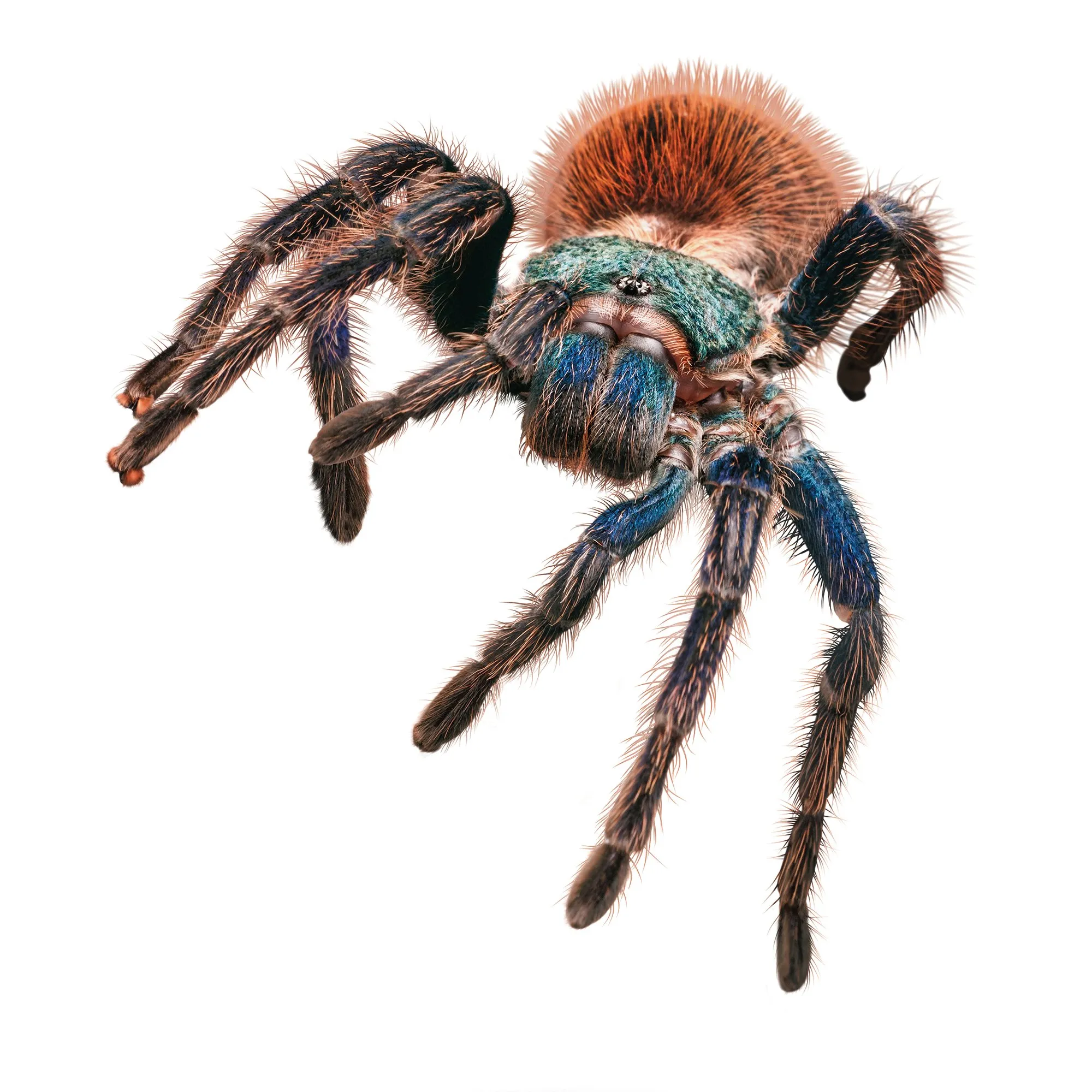
Bringing a tarantula into your home can be an exciting experience. These fascinating creatures offer a unique opportunity for pet ownership. However, the decision to purchase a tarantula should not be taken lightly. This guide is designed to provide you with all the necessary information to make an informed decision, from finding the right tarantula to providing the best possible care for your new pet. This ultimate guide will help you understand everything you need to know to buy tarantulas, ensuring a safe and enjoyable experience for both you and your eight-legged friend.
Where to Buy Tarantulas Online & Locally
The first step in acquiring a tarantula is finding a reputable source. You have two primary options online retailers and local pet stores. Each has its advantages and disadvantages. It is essential to do your research and choose a source that prioritizes the health and well-being of the tarantulas they sell. This section will explore both avenues to help you decide where to buy your new pet.
Online Tarantula Retailers
Online retailers often offer a wider variety of tarantula species and can sometimes provide more competitive pricing. They also make it easy to compare different species and find the specific tarantula you are looking for. However, purchasing a tarantula online requires careful consideration. You will not be able to see the tarantula in person before buying. You must rely on the retailer’s descriptions, photos, and customer reviews. This means you should choose wisely.
Reputable Online Breeders & Shops

When searching for online tarantula retailers, focus on reputable breeders and shops. These vendors often specialize in tarantulas and have a deep understanding of their care. Look for businesses with clear contact information, detailed descriptions of their tarantulas, and guarantees regarding the health of their animals. Breeders who provide detailed lineage information are even better. They typically have a better reputation in the reptile community.
Checking Online Reviews & Ratings
Before purchasing from an online retailer, always check online reviews and ratings. Look for testimonials from other customers to gauge their experiences. Pay attention to the retailer’s shipping practices, customer service, and the health of the tarantulas they sell. Websites like the Better Business Bureau (BBB) and dedicated reptile forums can provide valuable insights. The more reviews you read, the better informed you will be.
Local Pet Stores & Reptile Shops
Local pet stores and reptile shops offer the advantage of allowing you to see the tarantula in person before purchasing. You can assess the animal’s health and ask the staff questions about its care. These stores can provide immediate support if any issues arise. However, the selection of tarantula species may be more limited compared to online retailers. It is important to choose a store that has knowledgeable staff who can answer your questions and provide proper care guidance.
Finding Reputable Local Dealers

When visiting local pet stores, check the overall cleanliness and organization of the shop. Look for signs of proper care for the animals on display. The tanks should be clean, the substrate should be appropriate, and there should be sufficient hiding places and water sources. Observe the tarantulas for signs of health, such as an active demeanor, a good appetite, and no visible injuries or parasites. Talk to the staff to gauge their knowledge and experience with tarantulas.
Evaluating Store Conditions & Tarantula Health
Pay close attention to the conditions in which the tarantulas are kept. Ensure the enclosures are the appropriate size and have proper ventilation and temperature control. Ask about the tarantula’s feeding schedule and what it is being fed. A healthy tarantula will appear active and alert, with a full abdomen (indicating it has been fed regularly). Avoid tarantulas that appear lethargic, have a sunken abdomen, or show any signs of illness, such as mites or other parasites.
Factors to Consider Before Buying
Before you bring a tarantula home, consider various factors to ensure you are prepared for the responsibility. This includes researching different species, understanding their temperament, and assessing your ability to provide proper care. Taking the time to evaluate these factors will set you up for success and a rewarding experience.
Species Research & Suitability

Different tarantula species have different temperaments, care requirements, and sizes. Some species are more docile and beginner-friendly, while others are more defensive or require specialized care. It is crucial to research different species and choose one that matches your experience level and lifestyle. Consider factors such as the tarantula’s size, venom potency, and aggression level. Research their specific needs.
Choosing the Right Tarantula Species for Beginners
Beginners should start with species known for their docile nature and relatively easy care requirements. Popular choices include the Chilean Rose Hair Tarantula (Grammostola rosea), the Curly Hair Tarantula (Tliltocatl albopilosus), and the Pinktoe Tarantula (Avicularia avicularia). These species are generally less defensive, have moderate venom, and are relatively forgiving of occasional mistakes in care. Research the specific needs of the species you are considering.
Understanding Tarantula Temperament & Care Needs
Each tarantula species has unique temperament and care needs. Some tarantulas are more prone to defensive behaviors, such as biting or flicking urticating hairs. Others prefer specific temperature and humidity levels. Research the specific needs of the species you are considering to understand its temperament, preferred environment, and dietary requirements. Knowing this information is critical to providing proper care and ensuring the tarantula’s well-being.
Tarantula Pricing & Costs

The cost of a tarantula can vary greatly depending on the species, size, and rarity. The initial purchase price is just one aspect of the overall cost. You will also need to factor in the ongoing expenses of food, substrate, and other supplies. Planning your budget is an important step.
Average Tarantula Prices
Common tarantula species, such as the Chilean Rose Hair or Curly Hair Tarantula, are generally less expensive, often costing between $20 and $50. More exotic or rare species can cost hundreds or even thousands of dollars. The size of the tarantula also affects the price, with larger specimens often commanding a higher price. Juvenile tarantulas are generally less expensive than adults. This is because the breeders need to sell them quickly.
Ongoing Costs of Tarantula Care
In addition to the initial purchase price, consider the ongoing costs of tarantula care. You will need to purchase food, such as crickets or roaches, which can cost between $10 and $30 per month, depending on the size and appetite of your tarantula. Substrate (such as coconut fiber or peat moss) will also need to be replaced periodically, typically costing $10 to $20 per bag. Other expenses may include the cost of heating and lighting equipment, enclosure maintenance, and any necessary veterinary care.
Tarantula Health & Appearance

Knowing how to identify a healthy tarantula is essential to selecting a good specimen. Familiarize yourself with the signs of good health and be aware of common health issues. This knowledge will help you choose a healthy tarantula. It also will allow you to recognize and address any potential problems early on.
Signs of a Healthy Tarantula
A healthy tarantula typically exhibits specific characteristics. A healthy tarantula is active and alert, responding to stimuli in its environment. It should have a well-proportioned body, with a full abdomen, indicating it is well-fed. The legs should be intact and move freely. The fangs should be visible and in good condition. The abdomen should be free of any visible injuries or parasites. Check the tarantula often.
What to Look for in a Healthy Tarantula
When inspecting a tarantula, pay attention to its overall appearance. Look for clear eyes, a clean and shiny exoskeleton, and no signs of discoloration or unusual growths. A healthy tarantula will typically have a good appetite and readily accept food. Also, observe the tarantula’s behavior. Look for active hunting and feeding behavior, and a willingness to explore its enclosure. A healthy tarantula should display its natural behaviors.
Common Tarantula Health Issues
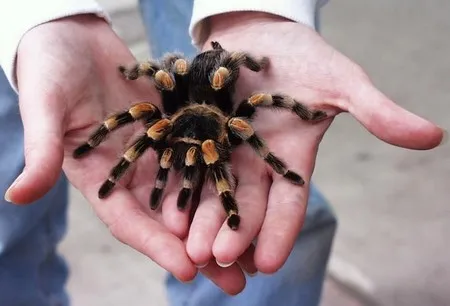
Tarantulas can be susceptible to various health issues, including mites, parasites, and fungal infections. Mites are tiny external parasites that can infest a tarantula, causing irritation and potential health problems. Parasites can also be internal. Fungal infections often result from improper enclosure conditions, such as excessive humidity. Knowing the signs of these health issues is essential for early detection and treatment.
Recognizing and Addressing Potential Problems
If you suspect your tarantula is sick, consult a veterinarian experienced in exotic animals. Early detection and treatment are essential for ensuring your tarantula’s health. Isolate the tarantula from other pets to prevent the spread of any potential illness. Maintain proper enclosure conditions and make any necessary adjustments, such as improving ventilation or reducing humidity. Provide proper care and seek professional help when needed.
Tarantula Care Essentials & Setup
Providing the right habitat is critical to the health and well-being of your tarantula. This includes the right enclosure, proper substrate, and appropriate decorations. Setting up a suitable environment is crucial for the spider’s health.
Housing Requirements for Tarantulas
The enclosure should be appropriately sized, secure, and provide the right environment for your tarantula. The size of the enclosure depends on the size and species of your tarantula. Juvenile tarantulas can be housed in smaller containers, while adults need larger enclosures to accommodate their size and provide space for movement. The enclosure should have a secure lid to prevent escape. It must have proper ventilation.
Choosing the Right Size & Type of Enclosure
Consider the size and species of the tarantula when choosing an enclosure. Glass terrariums or plastic enclosures are commonly used. The enclosure should be at least two to three times the tarantula’s leg span in length. Ensure the enclosure is tall enough to allow for substrate and any necessary climbing structures. Always choose an enclosure with secure ventilation to ensure fresh air circulation while preventing escape.
Substrate, Decorations & Hiding Places
The substrate provides a comfortable and suitable environment for your tarantula. Choose a substrate that matches the species’ needs. Coconut fiber, peat moss, and vermiculite are common choices. Provide decorations, such as cork bark, branches, or artificial plants, to create a more natural and enriching environment. Always include a hiding place, such as a hollow log or a pre-made hide, where the tarantula can retreat to feel secure.
Creating a Suitable Environment for Your Tarantula
Maintain the correct temperature and humidity levels for the tarantula’s species. Use a thermometer and hygrometer to monitor the conditions. Provide a shallow water dish for the tarantula to drink from. Ensure the enclosure is clean and free from debris. Remove any uneaten food promptly to prevent mold or mites. A well-maintained enclosure contributes significantly to your tarantula’s health and longevity.
Tarantula Feeding & Handling
Proper feeding and safe handling techniques are essential aspects of tarantula care. Tarantulas have specific dietary needs and must be handled with caution. Learn the proper feeding schedule and how to handle your tarantula safely.
Proper Tarantula Feeding Schedule
The feeding schedule depends on the age and size of your tarantula. Spiderlings and juveniles typically require more frequent feedings, while adults can be fed less often. As a general guideline, feed spiderlings every other day. Feed juveniles about once or twice a week. Adult tarantulas can be fed once every one or two weeks, or even less frequently. Observe your tarantula’s feeding habits and adjust the schedule as needed.
Feeding Your Tarantula the Right Food
Tarantulas are primarily insectivores. Their diet should consist mainly of insects. Crickets, roaches, mealworms, and super worms are common food choices. Ensure the insects you feed your tarantula are gut-loaded (fed a nutritious diet) to provide the spider with essential nutrients. The size of the prey should be appropriate for the tarantula’s size. Avoid feeding your tarantula insects that have been exposed to pesticides or other harmful substances.
Safe Handling Techniques & Precautions
Tarantulas can be fragile and may bite or flick urticating hairs if they feel threatened. Handling should be kept to a minimum. When handling is necessary, use extreme caution. Always handle the tarantula near a soft surface, such as a bed or a couch. This can prevent injury if the tarantula falls.
How to Handle a Tarantula Safely
If you need to handle your tarantula, do so calmly and gently. Approach the tarantula slowly and allow it to walk onto your hand. Avoid sudden movements. Never force the tarantula to do anything it doesn’t want to do. Wash your hands thoroughly before and after handling a tarantula. Be aware of the species’ temperament and watch for signs of stress, such as the tarantula raising its front legs or flicking its urticating hairs. If the tarantula shows signs of stress, gently place it back in its enclosure.
Bringing a tarantula into your home is a commitment, but it can also be a rewarding experience. By following these guidelines and providing proper care, you can ensure the health and happiness of your tarantula. Enjoy the unique pleasure of owning these fascinating creatures!