Understanding the Chilean Rose Tarantula
The Chilean Rose Tarantula (Grammostola rosea) is a popular choice for beginner tarantula keepers due to its docile temperament, relatively low maintenance requirements, and attractive appearance. Native to the deserts of Chile, Bolivia, and Argentina, these tarantulas are known for their longevity, often living for over 20 years. Before you buy a Chilean Rose Tarantula, understanding its basic needs and characteristics is crucial for providing proper care and ensuring a happy, healthy pet. This comprehensive guide will walk you through everything you need to know, from choosing the right tarantula to setting up its habitat and providing the best possible care.
Appearance and Characteristics
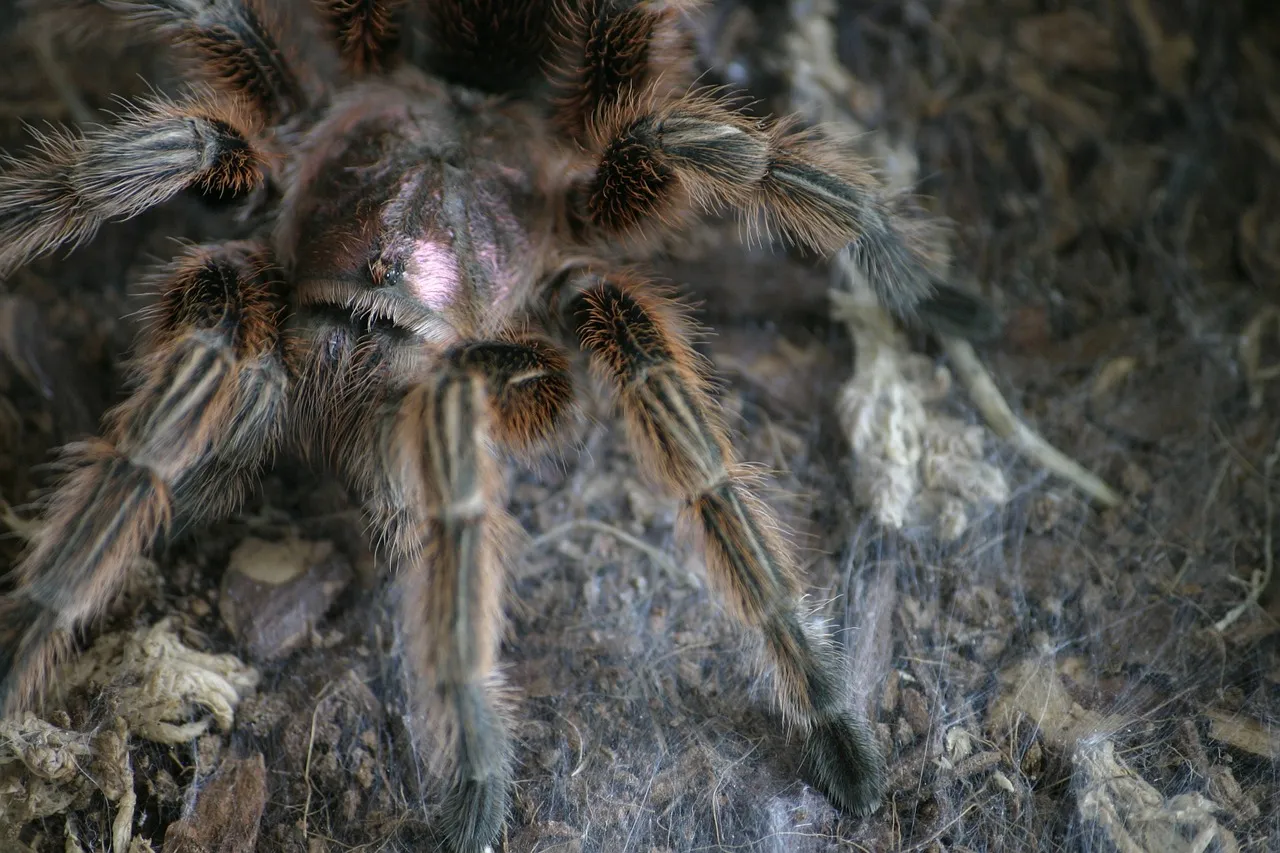
Chilean Rose Tarantulas are known for their striking appearance. They typically have a dark brown or reddish-brown carapace and legs, with a lighter brown abdomen covered in urticating hairs, which they can flick off as a defense mechanism. Adults can reach a leg span of up to 5-6 inches, with females generally being larger than males. Their overall coloration can vary depending on the individual and its environment, but they generally have a robust and hairy appearance. Observe the color variations on their body, that’s why it is named rose.
Temperament and Behavior

One of the primary reasons for their popularity is their relatively docile temperament. They are generally calm and slow-moving, making them less prone to biting than some other tarantula species. However, they can still exhibit defensive behaviors if they feel threatened, such as raising their front legs or flicking urticating hairs. They are primarily nocturnal creatures, meaning they are most active during the evening and night. They spend most of their time hiding in burrows or under cover during the day.
Why Choose a Chilean Rose Tarantula?
Choosing a Chilean Rose Tarantula as a pet can be a rewarding experience. Their relatively low maintenance and calm demeanor make them a great choice for beginner tarantula keepers. But before you buy, weigh the advantages and disadvantages carefully, ensuring you are prepared to meet their specific needs. Owning a tarantula can be a unique and fascinating experience. Here are some of the reasons why these tarantulas are a great choice for both beginner and experienced keepers.
Benefits of Owning One
Besides their gentle nature, Chilean Rose Tarantulas offer several benefits to their owners. They require minimal space and are relatively quiet pets, making them ideal for apartment living. They don’t need daily attention, making them perfect for individuals with busy schedules. The relatively low maintenance makes them great options. They are fascinating creatures to observe, providing a unique learning experience about arachnid behavior and biology. Plus, their longevity means you can enjoy their presence for many years.
Things to Consider Before Buying

Before buying a Chilean Rose Tarantula, there are some things you should consider. They have specific habitat requirements that you must be able to provide. You should also be comfortable feeding them live insects. You should do proper research and learn about their care to ensure you can meet their needs. Owning a tarantula is a long-term commitment, as they can live for many years. Make sure you are prepared to provide consistent care and attention throughout their lifespan. And also, make sure that there are no allergies to insects or spiders.
Where to Buy a Chilean Rose Tarantula
Finding a healthy Chilean Rose Tarantula requires some research. There are various options for acquiring one, each with its own advantages and disadvantages. It is important to choose a reputable source to ensure you are getting a healthy spider. The quality of your tarantula’s life depends on how you buy it, so it is important to carefully choose. The most common places to buy include breeders, local pet stores, and online retailers. Each place offers different benefits.
Reputable Breeders and Dealers
Buying from a reputable breeder or dealer is often the best option. Breeders specialize in tarantulas and can provide valuable information and support. They typically have a good understanding of the spiders’ health and genetics. Look for breeders with positive reviews and a good reputation within the tarantula-keeping community. Dealers can also offer quality spiders, but research their reputation before making a purchase. You can often find breeders and dealers online, through reptile shows, or through local pet clubs.
Online vs Local Pet Stores

Online retailers offer a wide selection of tarantulas, often at competitive prices. However, it’s essential to choose a reputable online seller with a good track record. Ensure the seller ships the tarantula safely and offers a live-arrival guarantee. Local pet stores can be a convenient option, allowing you to see the tarantula before you buy it. However, their selection might be limited, and the staff may not always be knowledgeable about tarantula care. Check the conditions of the enclosure and the overall health of the spider before purchasing.
What to Look for When Buying
When you’re ready to buy a Chilean Rose Tarantula, there are several things to look for to ensure you’re getting a healthy specimen. Observe the tarantula’s behavior, appearance, and overall condition. This can help you avoid purchasing a sick or stressed spider. A healthy tarantula will be active, alert, and have a good appetite. This section will help you examine the tarantula to ensure it is in the best of health. Always ensure you choose a healthy tarantula for the best outcome.
Healthy Tarantula Signs
A healthy Chilean Rose Tarantula will exhibit several positive signs. Look for a plump abdomen, indicating it is well-fed. The legs should be intact and move freely. The tarantula should be alert and responsive to its surroundings, not sluggish or lethargic. Check for any visible signs of parasites or injuries. Healthy tarantulas will also have a clean and well-maintained enclosure. The tarantula’s fangs and mouthparts should be clean and free of debris. If you’re unsure, ask the seller or breeder for advice.
Avoiding Common Pitfalls

Avoid buying a tarantula that appears thin or has a shrunken abdomen, as this could indicate dehydration or lack of food. Steer clear of tarantulas with missing legs or other injuries, as this may be a sign of poor care or improper handling. Be cautious of tarantulas that are kept in overcrowded or unsanitary conditions, as these are breeding grounds for disease. Do not buy a tarantula if you observe any signs of mites or other parasites. Ensure the enclosure is suitable for the tarantula’s size, with adequate space and appropriate hiding places. If anything feels off, it is best to look for another tarantula.
Setting Up Your Tarantula’s Habitat
Creating a suitable habitat is crucial for your Chilean Rose Tarantula’s health and well-being. The enclosure should provide a safe, secure, and comfortable environment, mimicking its natural habitat as closely as possible. Proper setup minimizes stress and promotes healthy behaviors. Before bringing your tarantula home, make sure you have a suitable enclosure and all the necessary supplies ready. With careful planning and attention to detail, you can create the ideal home for your new pet.
Enclosure Requirements
A 5-10 gallon glass terrarium is generally suitable for an adult Chilean Rose Tarantula. The enclosure should be escape-proof, with a secure lid and proper ventilation. Avoid using screen lids, as they can pose a risk of leg entanglement. The enclosure should be large enough for the tarantula to move around comfortably. It should include a substrate, such as a mixture of peat moss, vermiculite, and coconut fiber, that is deep enough for the tarantula to burrow. Ensure the enclosure is placed in a quiet, stable location, away from direct sunlight and drafts.
Substrate and Decor

The substrate should be at least 2-4 inches deep to allow the tarantula to burrow. Coco fiber, peat moss, or a mix of both are good choices, as they retain moisture and allow for burrowing. Provide a hide, such as a piece of cork bark or a half-log, for the tarantula to retreat to. Decorate the enclosure with non-toxic plants, rocks, or other natural elements. Make sure to avoid any sharp objects or potential hazards. Provide a shallow water dish with fresh water. Regularly clean the enclosure and replace the substrate to maintain a healthy environment.
Feeding and Care
Proper feeding and care are essential for keeping your Chilean Rose Tarantula healthy and thriving. They have specific dietary needs and require appropriate living conditions to live their best lives. A well-cared-for tarantula will be more likely to exhibit its natural behaviors and live a long, healthy life. By providing the proper care, you can ensure that your tarantula remains a fascinating and enjoyable pet for many years.
Diet and Feeding Schedule
Chilean Rose Tarantulas are insectivores, and their diet should consist primarily of live insects. Crickets, mealworms, and roaches are common choices. The size of the insects should be appropriate for the size of your tarantula; generally, the insects should be no larger than the tarantula’s body. Feed adult tarantulas 2-3 times per week. Young tarantulas should be fed more frequently, usually every other day. Remove uneaten insects after 24 hours to prevent them from bothering the tarantula. Always ensure that the insects you feed are gut-loaded with nutritious food, such as vegetables and commercial insect food.
Water and Humidity

Provide a shallow water dish with fresh water at all times. The water dish should be small enough to prevent the tarantula from drowning. Mist the enclosure lightly once or twice a week to maintain a humidity level of around 60-70%. Avoid over-misting, which can lead to mold growth. You can use a hygrometer to monitor the humidity levels. Ensure the enclosure has good ventilation to prevent the buildup of excess humidity. Regular monitoring and maintenance will help you maintain the perfect environment for your tarantula.
Handling and Safety
While Chilean Rose Tarantulas are known for their docile nature, it’s important to handle them with care and respect. Never handle your tarantula if you’re unsure of its temperament or if it appears stressed. Handling should be kept to a minimum to reduce stress and avoid potential injury. When you do handle your tarantula, it is important to do it with extreme care. This section provides details on the safest ways of handling these creatures.
Safe Handling Practices
If you choose to handle your Chilean Rose Tarantula, do so with caution. Handle the tarantula over a soft surface, such as a bed or carpet, in case it falls. Avoid sudden movements or loud noises, as these can startle the tarantula. Gently scoop the tarantula onto your hand, allowing it to walk onto your palm. Never grab or squeeze the tarantula, as this can cause it to feel threatened. Always wash your hands thoroughly before and after handling your tarantula. The tarantula might drop its urticating hairs as a defense mechanism.
Recognizing and Avoiding Bites
Chilean Rose Tarantulas rarely bite, but it’s important to know how to avoid being bitten. Avoid handling the tarantula if it’s stressed, agitated, or in a defensive posture. Signs of agitation include raising its front legs or flicking urticating hairs. Never put your hand directly in front of the tarantula’s fangs. If you are bitten, remain calm and seek medical attention if necessary, although bites are usually not life-threatening. If you get in contact with urticating hairs, wash the affected area thoroughly with soap and water. Avoid rubbing your eyes or face after handling the tarantula.
Common Health Issues
Like all pets, Chilean Rose Tarantulas can be susceptible to various health issues. Being aware of the common problems and taking preventive measures can help keep your tarantula healthy and prevent serious illnesses. Regular observation and prompt action are key to addressing any health concerns. Some of the most common health issues include mites, dehydration, and molting problems.
Signs of Illness
Watch out for signs of illness, such as lethargy, loss of appetite, or unusual behavior. Look for signs of parasites, such as mites, which can be seen as small, red or white dots on the tarantula. Check for any injuries or swelling. If the tarantula is having difficulty molting, it may indicate a problem with its environment. A tarantula that is not eating or drinking may be dehydrated. If you notice any of these signs, consult with a veterinarian specializing in exotic pets.
Preventative Care
Preventative care is essential for keeping your Chilean Rose Tarantula healthy. Maintain proper temperature and humidity levels in the enclosure. Provide a varied diet of live insects. Ensure the enclosure is clean and well-ventilated. Regularly inspect your tarantula for any signs of illness or parasites. Quarantine any new tarantulas before introducing them to your existing collection. Provide a suitable hide and ensure the tarantula has plenty of space. By following these preventative measures, you can significantly improve your tarantula’s health and longevity.
Conclusion
Buying a Chilean Rose Tarantula can be a fulfilling experience, offering a unique window into the world of arachnids. By understanding their needs, providing the proper care, and choosing a healthy specimen, you can enjoy the companionship of these fascinating creatures for many years. Remember to always prioritize the tarantula’s well-being and be prepared to provide a safe, comfortable environment. With careful planning and consistent care, your Chilean Rose Tarantula can thrive, bringing you countless hours of enjoyment. Enjoy your new pet!