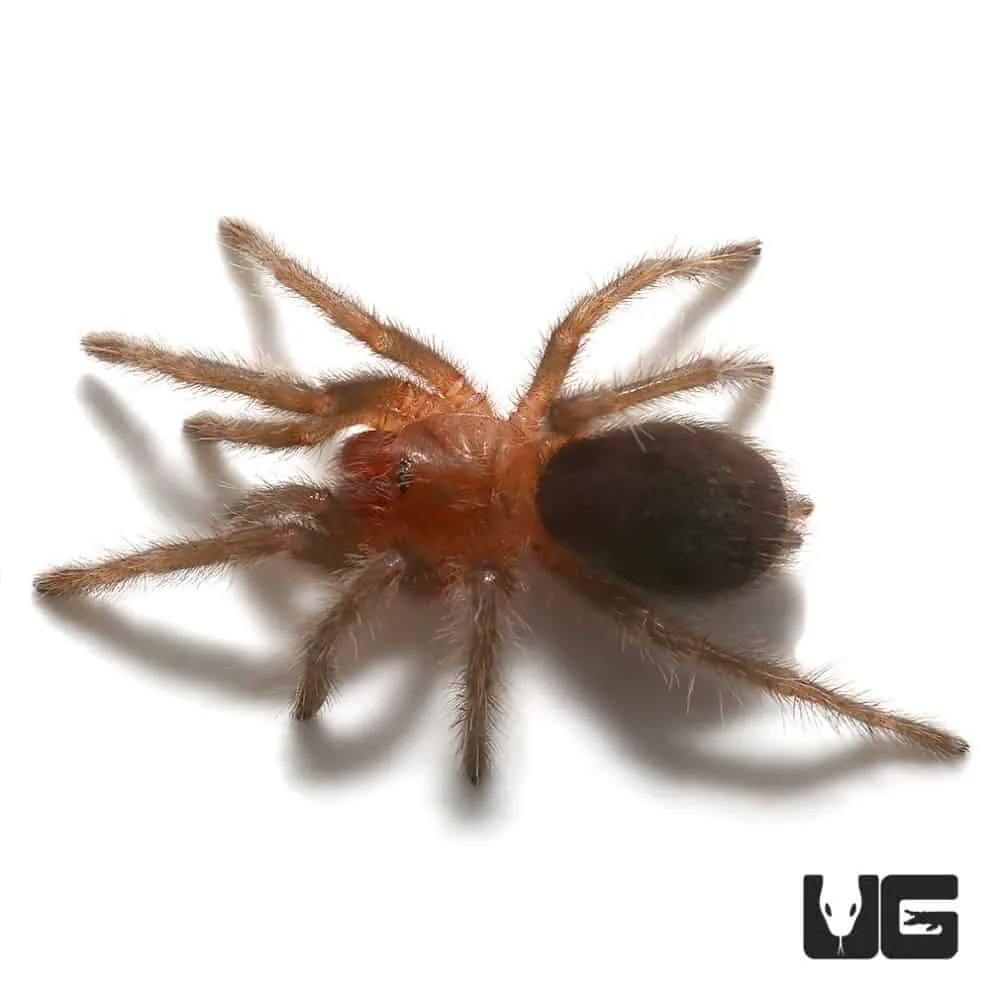
What is a Brazilian Black Tarantula
The Brazilian Black Tarantula, scientifically known as Grammostola pulchra, is a captivating species within the tarantula family. Native to the grasslands of Southern Brazil and Uruguay, these spiders are renowned for their striking appearance and relatively docile temperament, making them a popular choice for both novice and experienced tarantula keepers. Understanding the specifics of this species is essential before delving into the intricacies of its cost. These spiders are a significant investment, so proper research is critical. Their popularity also means a regulated market, influencing the price and availability of these fascinating creatures. This guide will help you navigate through all aspects that influence the Brazilian Black Tarantula cost.
Appearance and Characteristics
As their name suggests, Brazilian Black Tarantulas are predominantly black, a stunning coloration that adds to their allure. Their bodies are covered in fine, velvety hairs, and they possess a robust build. Females are generally larger than males, with mature females reaching a leg span of up to 6-7 inches, while males are slightly smaller. The overall look is imposing, contributing to the tarantula’s appeal. The spider’s long lifespan also is a factor in the cost. Females can live for 15-20 years, and males typically live for around 5-7 years. This longevity means the initial cost is an investment in years of companionship. The physical characteristics directly influence the cost, with larger, healthier specimens often commanding higher prices.
Temperament and Behavior

The Brazilian Black Tarantula is known for its generally docile temperament, which makes it a good choice for beginner tarantula keepers. Compared to some other tarantula species, they are less likely to exhibit defensive behaviors like biting or kicking urticating hairs, though it’s crucial to handle them with care. While these spiders are typically calm, it’s still essential to respect their space and understand that individual personalities can vary. Regular handling, if done carefully, can acclimate the tarantula to human interaction, and their generally gentle nature influences the overall experience of ownership. Such traits make them easier to care for and are reflected in the price, as they are less challenging to handle and manage than more aggressive species.
Factors Influencing the Brazilian Black Tarantula Cost
The cost of a Brazilian Black Tarantula is affected by a combination of factors that can influence the final price. The size, age, and overall health of the tarantula are key determinants. Additionally, the vendor from which you purchase the tarantula and the current market demand also play significant roles. Understanding these factors helps buyers make informed decisions and budget effectively. The price can fluctuate depending on these variables, highlighting the importance of doing research before committing to a purchase. Different vendors also have varied overheads, which affect their pricing models, so it’s crucial to shop around and compare prices from reputable sources to secure the best value.
Size and Age of the Tarantula
The size and age of the Brazilian Black Tarantula are significant factors influencing the cost. Younger tarantulas, often referred to as spiderlings, are typically less expensive than older, more mature specimens. Spiderlings are smaller and require less space and food, making them more affordable for beginners. However, purchasing a spiderling requires more patience and time as they grow. Mature females, especially those nearing breeding age, often command the highest prices due to their potential to produce offspring. Larger sizes mean they are closer to their full life potential, so you are further along in the process, which also increases their value. The price typically goes up as the spider matures.
Breeding and Availability

Breeding and availability of Brazilian Black Tarantulas significantly impact their cost. When breeders successfully produce spiderlings, the supply increases, potentially leading to a decrease in prices. Conversely, limited breeding success or high demand can drive prices up. The availability of this species can fluctuate, particularly depending on the time of year and global market conditions. Breeders play a critical role in determining the cost, with their breeding practices and the health of their stock influencing the value of the spiderlings they sell. Understanding the breeding cycle and the current market availability is beneficial for prospective buyers looking to find the best deals on Brazilian Black Tarantulas.
The Vendor and Source
The vendor or source from which you purchase your Brazilian Black Tarantula heavily influences the cost. Reputable breeders often have higher prices due to the quality of their stock and the care they provide. They also typically offer more support and information to their customers. Online retailers and local pet stores may have different pricing structures, with online retailers sometimes offering lower prices but potentially higher shipping costs. The reputation of the vendor is essential; it ensures the spider’s health and the legitimacy of the sale. Purchasing from a trusted source guarantees better customer service and more reliable information about the tarantula’s origin and care requirements. Consider the vendor’s reviews and guarantees before making a purchase.
Additional Costs of Owning a Brazilian Black Tarantula
Beyond the initial purchase price, owning a Brazilian Black Tarantula entails several ongoing costs that must be considered. These costs include setting up an appropriate enclosure, providing food and water, and covering potential veterinary expenses. Budgeting for these additional costs ensures you can provide your tarantula with a comfortable and healthy environment. The initial investment extends far beyond the purchase, so knowing the additional costs beforehand helps make an informed decision on whether to own this pet. Proper planning of these expenses ensures long-term health and happiness for your pet tarantula. The following are examples of additional costs.
Enclosure and Setup Costs

The enclosure setup is a crucial aspect of tarantula ownership. The cost of a suitable terrarium varies depending on the size, material (glass or acrylic), and any additional features. Brazilian Black Tarantulas require a spacious enclosure to thrive, especially as they mature. Substrate, such as peat moss or coconut fiber, is necessary to maintain humidity and provide a natural environment, adding to the initial setup cost. Decor such as hides (cork bark or artificial hides) and water dishes enhance the enclosure and provide the spider with a comfortable space. Expect to spend a significant amount on these items at the beginning of your tarantula ownership, which is a one-time purchase that needs to be factored into the total cost. See the image below on a well-equipped Brazilian Black Tarantula enclosure.
Food and Feeding Costs
Brazilian Black Tarantulas are carnivorous and require a steady supply of insects to eat. The cost of crickets, mealworms, roaches, or other feeder insects is an ongoing expense. The amount of food needed varies based on the tarantula’s size and age. A juvenile spider will require less food compared to an adult. The cost of purchasing feeder insects can be reduced by buying in bulk or, if feasible, by breeding your own feeders. These additional supplies, such as supplemental vitamins or calcium, also affect the long-term cost. The type of insect and where it is bought also affect the price.
Veterinary Care
While Brazilian Black Tarantulas are generally hardy, they may require veterinary care if they become ill or suffer an injury. Exotic animal veterinarians may charge a consultation fee and any treatment costs, which can add to the overall cost of ownership. It’s important to locate a veterinarian in your area experienced with tarantulas before you get your pet. While preventative care is key, health issues can arise, so it is important to be prepared for potential veterinary expenses. Regular health checkups and consulting with a vet when you notice any unusual behavior are important steps for a tarantula owner.
Long-Term Costs

Besides the immediate expenses, there are long-term costs associated with owning a Brazilian Black Tarantula. These costs include the ongoing purchase of food, substrate replacement, and the potential for unforeseen veterinary bills. Also, as your tarantula grows, you might need to upgrade its enclosure, leading to additional expenses. Factoring in all these long-term costs is essential to ensure you can provide your tarantula with proper care throughout its lifespan. The longer life of female tarantulas also means a longer time investment, resulting in a greater overall cost.
Where to Buy a Brazilian Black Tarantula
Finding the right place to purchase a Brazilian Black Tarantula is crucial. The vendor you choose impacts the cost, health, and well-being of the tarantula. There are several options to consider, each with its advantages and disadvantages. Knowing where to purchase these spiders is important to ensuring you get a healthy specimen. Evaluating the reputation and experience of the vendor is a key step in the purchasing process. Here are some popular options:
Reputable Breeders
Buying directly from reputable breeders is often the best option for obtaining a healthy and well-cared-for Brazilian Black Tarantula. Breeders specialize in tarantulas and are well-versed in their care, genetics, and health. They typically have a strong understanding of the species, providing valuable insights to new owners. Breeders can provide detailed information about the tarantula’s origin, age, and any potential health issues. They often offer a higher level of support after the sale. Though the initial cost may be higher, the assurance of quality and health makes it a worthwhile investment.
Online Retailers

Online retailers offer a convenient option for purchasing Brazilian Black Tarantulas, with a wide variety of options available. Many online retailers specialize in exotic pets and can provide a range of species, including various sizes and ages of Brazilian Black Tarantulas. However, it’s crucial to research any online retailer before making a purchase. Read reviews and ensure they have a good reputation for shipping live animals safely. Check their health guarantee policies and customer service to ensure you will receive the support you need. Carefully assess shipping costs, which can add significantly to the overall price, especially with overnight delivery.
Local Pet Stores
Local pet stores can be a convenient place to purchase a Brazilian Black Tarantula, allowing you to see the spider in person before committing to a purchase. You can assess the spider’s health and condition before bringing it home. The staff can also provide immediate advice and support. However, the selection might be limited compared to online retailers or breeders. The prices may be higher due to overhead costs, and the staff’s expertise may vary depending on the store. Before buying, be sure the staff knows the proper care requirements for the tarantula species you want.
Potential Health Issues and Associated Costs
Understanding the potential health issues and their associated costs is a crucial part of Brazilian Black Tarantula ownership. While these spiders are relatively hardy, they are susceptible to certain conditions that require veterinary care. Planning for possible health problems and knowing the associated costs can help owners provide proper care. Having an understanding of potential health problems will help you recognize issues and take preventative measures.
Common Health Problems

Some common health problems that Brazilian Black Tarantulas can experience include mites, fungal infections, and injuries from falls or during molting. Mites are parasites that can infest the tarantula, causing irritation and potential health issues. Fungal infections can occur if the enclosure is too humid or dirty. Injuries can happen if the tarantula falls from a height. These conditions often require immediate veterinary attention. Quick action can improve the outcome. If you notice any signs of illness, such as lethargy, loss of appetite, or unusual behaviors, it’s essential to consult a veterinarian specializing in exotic animals.
Preventative Measures
Preventative measures play a significant role in reducing the likelihood of health issues and minimizing veterinary costs. Maintaining a clean, appropriately humid, and temperature-controlled enclosure is crucial. Regular cleaning and substrate changes help prevent fungal infections and other health problems. Providing a varied diet and ensuring your tarantula has access to clean water promotes overall health. Handling the tarantula carefully, to avoid injuries, can also help. Regular observation of your tarantula’s behavior and appearance is also important. Early detection of any potential issues allows for prompt intervention and could prevent more severe conditions.
Conclusion
The Brazilian Black Tarantula is a fascinating species with an undeniable appeal. Understanding the Brazilian Black Tarantula cost involves considering several key factors, from the initial purchase price to the ongoing expenses of ownership. By taking the time to research and plan, potential owners can make informed decisions. This knowledge enables them to provide their tarantula with proper care, which in turn results in a rewarding experience. With careful preparation and commitment, the Brazilian Black Tarantula can be a captivating and rewarding pet. Owning one is an investment in a unique pet experience.