Birdeater Tarantula Guide
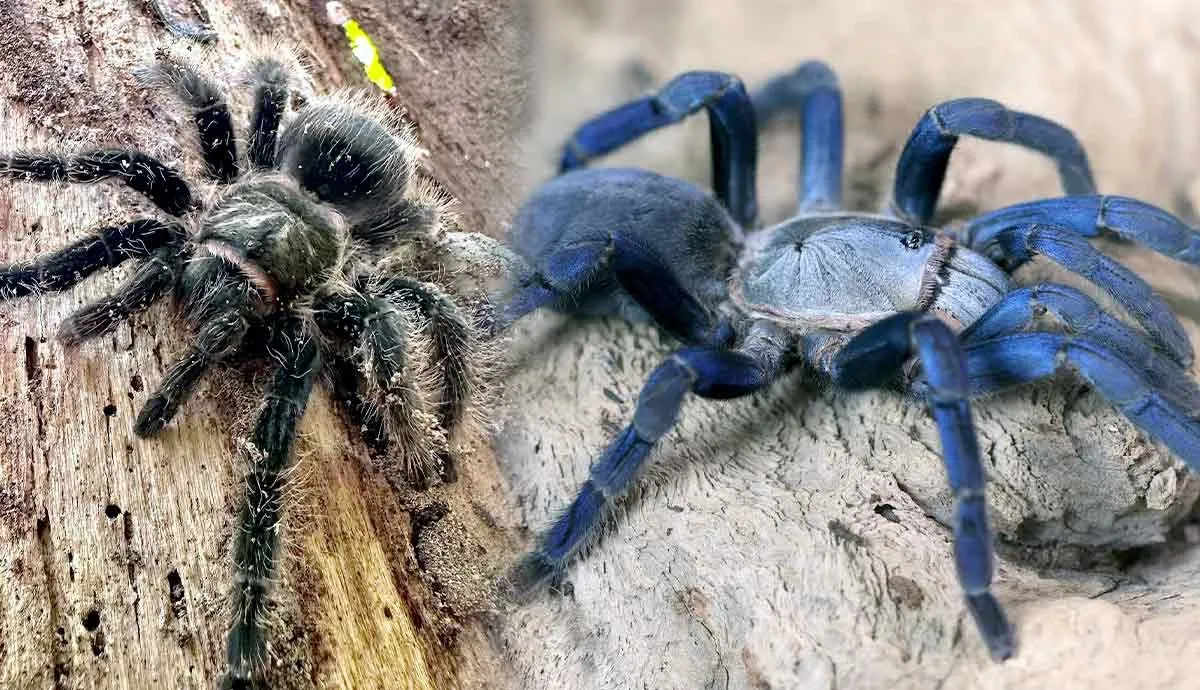
Birdeater tarantulas, despite their name, are fascinating creatures that captivate the attention of many arachnid enthusiasts. These impressive spiders are among the largest in the world, boasting significant size and a range of striking appearances. This guide will delve into the world of birdeater tarantulas, exploring some of the most popular species, their characteristics, and how to care for them. Whether you’re a seasoned spider keeper or simply curious about these amazing animals, this article will provide valuable insights and information.
What is a Birdeater Tarantula?
The term “birdeater” is somewhat misleading. While these tarantulas are capable of consuming birds, their diet typically consists of insects, and occasionally, small vertebrates like lizards or rodents. The name originates from early explorers who observed them feeding on birds in their natural habitats. Birdeater tarantulas belong to the Theraphosidae family and are known for their impressive size, often reaching leg spans of over 10 inches. They are native to tropical regions of South America and other warm, humid environments. Their impressive size and unique characteristics make them a popular choice for experienced tarantula keepers, but require careful handling and understanding.
Birdeater Tarantula Species Overview

Several species of birdeater tarantulas are available to enthusiasts. Each species has its unique characteristics, including size, coloration, temperament, and care requirements. Some are known for their docile nature, while others can be more defensive. It’s important to research the specific needs of any tarantula before acquiring one. Understanding the habitat, diet, and potential risks associated with each species is crucial for responsible ownership. This overview provides a glimpse into some of the most sought-after birdeater tarantula species, highlighting their key features and helping you make informed decisions.
Top 5 Birdeater Tarantula Species
Here’s a look at five of the most popular and captivating birdeater tarantula species, each with distinct features that make them desirable for tarantula enthusiasts.
The Goliath Birdeater (Theraphosa blondi)
The Goliath Birdeater holds the title of the world’s largest tarantula. Its leg span can reach over 12 inches, and it boasts a robust build with reddish-brown coloration. This species is native to the rainforests of northern South America. Handling this species requires caution due to their size and potentially defensive nature. They possess urticating hairs, which can cause skin irritation and should be avoided. However, with proper care and respect, the Goliath Birdeater can be a rewarding species to keep for experienced enthusiasts. This is the most famous species among all.
Appearance and Size

The Goliath Birdeater is a sight to behold, with a leg span that often exceeds a foot. Their bodies are covered in reddish-brown hairs, and they have large fangs. The sheer size of this species is what makes it so impressive and the main reason for its popularity, even though it is a bit harder to care for. This species is a real experience to keep, only recommended for expert keepers.
Habitat and Behavior
In their natural habitat, Goliath Birdeaters are terrestrial spiders that live in burrows. They are ambush predators, waiting for prey to come within striking distance. They are generally nocturnal, preferring to hunt at night. In captivity, they require a large enclosure with deep substrate for burrowing and hiding. Providing a humid environment is essential for their well-being.
Care and Considerations
Due to their size and potential defensiveness, Goliath Birdeaters require experienced keepers. A large enclosure with a secure lid is essential. They need a substrate that allows for burrowing, such as a mix of peat moss, coconut fiber, and vermiculite. Humidity levels should be maintained between 75-85%. Feeding should consist of large insects, and occasionally, small vertebrates. Handling should be minimized.
The Burgundy Birdeater (Grammostola pulchra)

The Burgundy Birdeater is known for its docile temperament and stunning appearance. This species is native to Brazil and is characterized by its dark brown to black coloration, with a velvety texture. They are a medium-sized species, with leg spans reaching up to 7 inches. Their relatively calm nature makes them a popular choice for beginners, and experienced keepers alike. They are also known to be a bit slower growing.
Appearance and Size
Burgundy Birdeaters are a deep, rich brown or black color, which gives them an elegant appearance. They are a more compact species compared to the Goliath, but still possess a substantial size and impressive presence. Their dark coloration is what makes them a very popular species among keepers.
Habitat and Behavior
They are a terrestrial species that enjoys burrowing, so provide a deep substrate. They are generally docile, although they may flick urticating hairs if threatened. They are known to be a bit slower growing than other species, but that’s not really a problem. Their behavior is generally predictable.
Care and Considerations
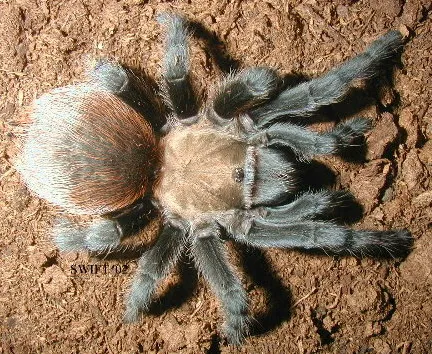
Their care is relatively straightforward. They thrive in a moderately humid environment with temperatures between 75-85°F. A substrate mix suitable for burrowing is recommended. They eat a variety of insects, and handling is often tolerated, although it’s best to avoid it if possible. They are great species to start with, due to their temperament.
The Brazilian Giant Blond (Lasiodora parahybana)
The Brazilian Giant Blond is another large and impressive species. They are fast-growing and can reach leg spans of up to 10 inches. They are native to Brazil and are known for their light brown coloration with blonde hairs. They are a popular choice for experienced keepers, but they can be a bit skittish and may flick urticating hairs when feeling threatened. Their size and active nature make them an interesting species to observe.
Appearance and Size
The Brazilian Giant Blond is characterized by its light brown body and blonde hairs on the legs and carapace. They are large and robust, with a good presence, with a considerable size. The contrast in colors is part of what makes them so interesting.
Habitat and Behavior
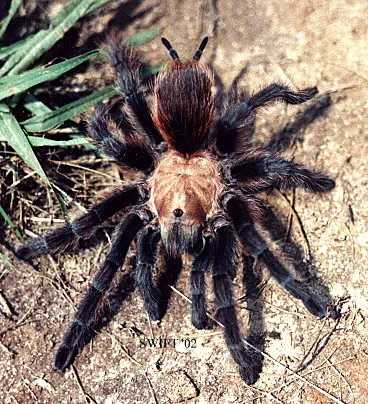
They are terrestrial and tend to be active, often seen moving around their enclosure. They may burrow, but they don’t rely on it as much as some other species. They can be defensive and may flick hairs when threatened, so handle them with caution. This species is very active.
Care and Considerations
They require a large enclosure with a substrate suitable for burrowing. Temperatures should be maintained between 75-85°F, and humidity should be kept at around 60-70%. They are voracious eaters, so feeding should be adjusted according to their growth rate. They are not recommended for beginners because they can be a bit unpredictable.
The Pinkfoot Goliath (Theraphosa apophysis)
The Pinkfoot Goliath is closely related to the Goliath Birdeater. It shares the impressive size and general characteristics but is distinguished by its pinkish feet. Native to parts of South America, this species can reach leg spans of over 10 inches. They share many of the same care requirements as the Goliath Birdeater, but with a slightly different appearance. They require similar conditions, but may have some slight differences in temperament.
Appearance and Size

The Pinkfoot Goliath is easily recognizable by its size and the pink coloration on its feet. Their bodies are typically a dark brown color, with a robust build. This species is as large as the Goliath, so they are impressive specimens. This species is a real showstopper.
Habitat and Behavior
They are terrestrial and burrowing spiders, similar to the Goliath. They are ambush predators and prefer to hide in burrows, waiting for prey. They are generally nocturnal and require a large, secure enclosure.
Care and Considerations
Their care is similar to that of the Goliath Birdeater. They need a large enclosure with a deep substrate for burrowing. Humidity should be kept high, and temperatures should be between 75-85°F. Due to their size, it is essential to ensure the enclosure is secure.
The Greenbottle Blue (Chromatopelma cyaneopubescens)

While not a true birdeater in the traditional sense, the Greenbottle Blue is a popular tarantula species known for its stunning coloration and unique behaviors. Originating from the island of Trinidad, they are characterized by a vibrant combination of colors: metallic blue legs, a green carapace, and a reddish abdomen. They are a medium-sized species with leg spans typically reaching around 6 inches. They are arboreal, meaning they live in trees, and exhibit web-spinning behavior. They are a very beautiful species and very popular.
Appearance and Size
The Greenbottle Blue is visually striking, with a metallic blue on their legs. Their carapace is green, and their abdomen is reddish-orange, making it a beautiful contrast. They are medium-sized, which makes them manageable, and not as intimidating as the other species.
Habitat and Behavior
Unlike the terrestrial birdeaters, Greenbottle Blues are arboreal. They build elaborate webs and prefer to be up high in their enclosures. They are known to be defensive and fast. Their behavior is quite different from the larger terrestrial species. Their webs are very beautiful.
Care and Considerations
They require a vertically oriented enclosure with plenty of room for web-building. Humidity should be maintained at around 60-70%, and temperatures should be kept between 75-85°F. They eat insects, and care should be taken when handling them because of their speed. They are very beautiful spiders.
Birdeater Tarantula Care Tips
Caring for birdeater tarantulas requires understanding their needs. Provide a species-appropriate enclosure, including the right size and proper ventilation. Substrate should be appropriate for the species, often a mix of peat moss, coconut fiber, and vermiculite. Maintain proper temperature and humidity levels, using a thermometer and hygrometer. Offer a varied diet of insects and, if appropriate for the species, small vertebrates. Ensure a clean water source is always available. Avoid handling the tarantula unnecessarily, and always handle with care if needed. Be mindful of their urticating hairs. Regular observation can help identify any potential health issues.
Choosing the Right Birdeater Tarantula
Choosing the right birdeater tarantula depends on your experience level and personal preferences. Beginners might consider species like the Burgundy Birdeater, known for their docile temperament. Experienced keepers can opt for more challenging species, such as the Goliath Birdeater or the Brazilian Giant Blond. Research the specific needs of each species. Consider the adult size, temperament, and care requirements. Evaluate your ability to provide the necessary enclosure size, environmental conditions, and feeding schedule. Ensure you can handle the potential risks. Always prioritize the well-being of the tarantula. Consider the species that fits your lifestyle.
Conclusion
Birdeater tarantulas are captivating creatures, offering a unique glimpse into the world of arachnids. From the impressive size of the Goliath Birdeater to the vibrant colors of the Greenbottle Blue, there is a species to suit different preferences. Responsible ownership involves understanding the specific needs of each species, providing the appropriate environment, and handling them with care. Whether you are a seasoned keeper or a curious observer, birdeater tarantulas can provide a fascinating and rewarding experience. Remember to always prioritize the safety and well-being of both yourself and the tarantula.