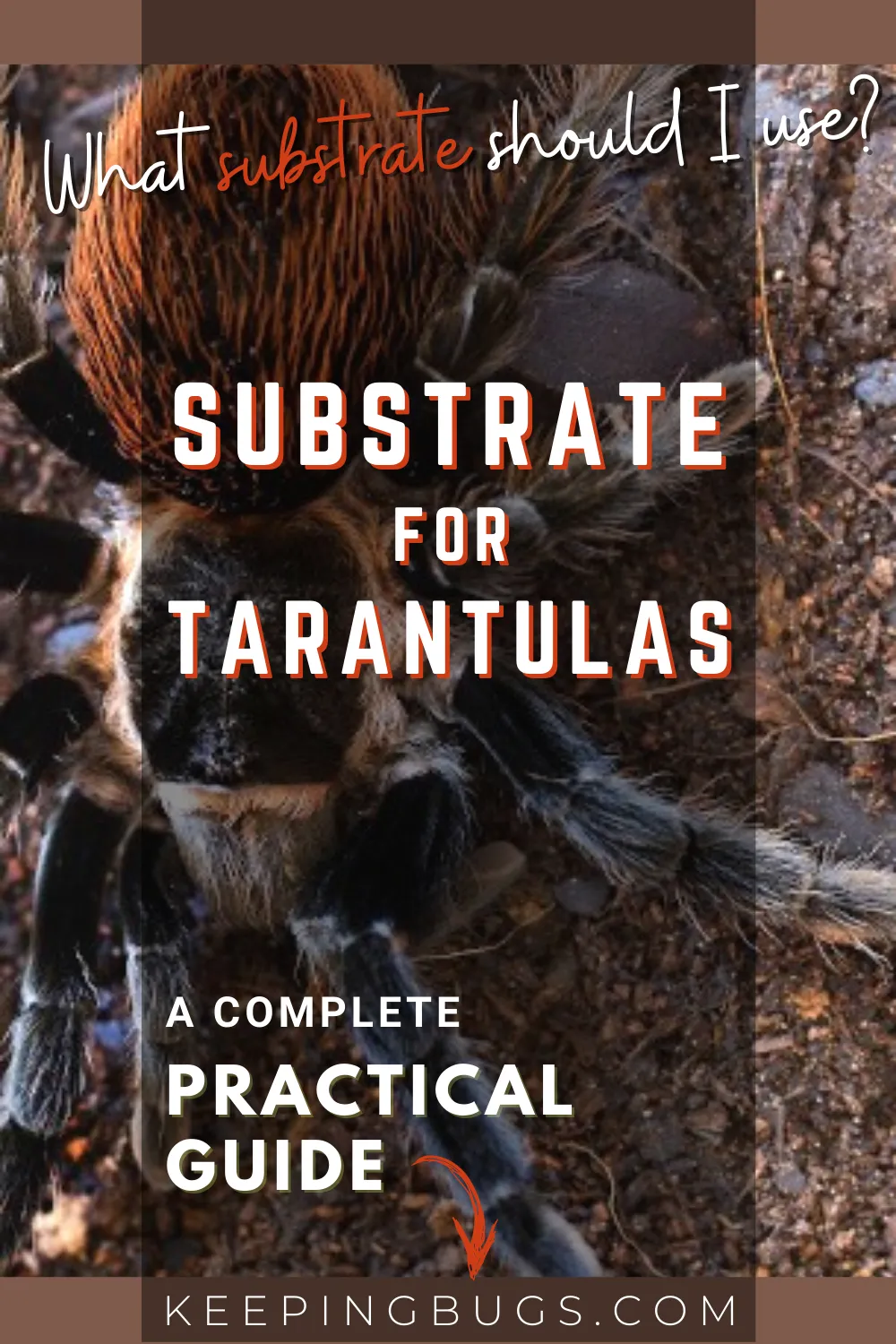
The Best Tarantula Substrate Unveiled
Choosing the right substrate for your tarantula is a critical aspect of providing a healthy and comfortable environment. The substrate serves multiple purposes, from regulating humidity and allowing for natural behaviors like burrowing, to providing a stable surface for the tarantula to move on. In this comprehensive guide, we’ll delve into the best substrate options, the essential factors to consider, and how to maintain the perfect habitat for your eight-legged friend. Understanding the importance of substrate will significantly improve your tarantula’s well-being and overall quality of life. A well-chosen substrate can mimic the tarantula’s natural environment, reduce stress, and support its overall health.
Why Substrate Matters for Tarantulas
Substrate plays a crucial role in a tarantula’s habitat. It directly impacts their health, behavior, and ability to thrive. The substrate isn’t just a flooring material; it actively influences the environmental conditions within the enclosure. It affects humidity levels, crucial for tarantula molting and overall health. It also provides a medium for burrowing, which is a natural behavior for many tarantula species, offering security and a place to retreat. A poor substrate choice can lead to issues such as inadequate humidity, which can lead to molting problems, or even respiratory infections. Therefore, the selection of the right substrate is paramount to responsible tarantula ownership.
Humidity Control

Maintaining the correct humidity level is essential for tarantula health. Substrates absorb and release moisture, directly impacting the humidity within the enclosure. Different substrates have varying water retention capabilities. For example, substrates like coconut fiber and peat moss are excellent at retaining moisture, making them suitable for species that require higher humidity levels. The substrate should be slightly damp, not waterlogged, as excessive moisture can promote mold growth. Monitoring the humidity levels using a hygrometer is important, as this will help you ensure your tarantula is living comfortably. Adjusting ventilation and water availability will help you manage the humidity based on the substrate choice.
Burrowing and Enrichment
Many tarantula species are burrowers, and providing a substrate that allows them to engage in this natural behavior is essential for their well-being. A substrate deep enough to allow burrowing provides them with a sense of security and a place to hide from potential threats. This behavior reduces stress and offers enrichment to the tarantula’s life. A good substrate will hold its structure, allowing the burrows to remain intact. Mixing substrates or adding materials like sphagnum moss can further enhance the burrowing ability. Providing a suitable substrate will create a habitat that fulfills the tarantula’s instinctive needs and promotes a healthy, happy life.
7 Crucial Facts about Tarantula Substrate
Fact 1 Safety First Toxic Substances

Always ensure that the substrate you choose is free from any harmful chemicals, pesticides, or fertilizers. These substances can be highly toxic to tarantulas. Opt for substrates that are specifically designed for reptile or invertebrate use to minimize the risk. Thoroughly research any substrate before introducing it to your tarantula’s enclosure. If you’re collecting materials like soil or leaf litter from outside, make sure to sterilize it to eliminate any potential parasites or contaminants. Prioritizing safety will keep your tarantula protected from any health risks, supporting its healthy living.
Fact 2 Ideal Moisture Levels
Maintaining the correct moisture levels is critical for tarantula health. The ideal moisture level varies depending on the species. Some species prefer arid environments, while others require higher humidity. Overly wet substrates can lead to mold and fungal growth, which can be hazardous. Dry substrates can result in molting problems and dehydration. Monitoring the moisture level by gently squeezing a handful of the substrate and by using a hygrometer is crucial. Adjust the water addition frequency and the amount of substrate to maintain proper humidity and moisture for your tarantula, keeping the species’ needs in mind.
Fact 3 Burrowing Behavior
Burrowing is a natural behavior for many tarantula species. Providing a substrate that facilitates burrowing is essential for their psychological well-being. A deep substrate, often several inches deep, allows them to create secure burrows. This behavior offers them a sense of security and protection. This is particularly important during molting when they are vulnerable. If you have a burrowing species, provide a substrate that can hold its shape and doesn’t easily collapse. Using a mix of substrates or adding clay or other materials will increase the burrowing capability and make a better experience for your tarantula.
Fact 4 Mold and Mildew Prevention
Mold and mildew can be detrimental to a tarantula’s health. Excess moisture and poor ventilation can encourage their growth. Proper ventilation helps prevent mold from forming. Regularly inspect the substrate for any signs of mold. Spot cleaning regularly, removing any uneaten food, and waste, is also essential. Using a bioactive substrate with springtails and isopods can naturally control mold by consuming organic debris. If mold is detected, immediately remove the affected substrate and replace it with fresh, dry material, addressing any underlying humidity or ventilation issues.
Fact 5 Ease of Cleaning and Maintenance
Choosing a substrate that is easy to clean and maintain will simplify the process of caring for your tarantula. Some substrates, like coconut fiber, are easier to spot clean than others. Regular spot cleaning, removing waste and uneaten food, is crucial to maintain a healthy environment. Plan to replace the entire substrate periodically, depending on the substrate type. This is often a full substrate change every 6-12 months, though spot cleaning is generally required more frequently. The ease of cleaning saves time and ensures that the enclosure remains hygienic, safeguarding your tarantula’s well-being.
Fact 6 Substrate for Specific Tarantula Species
Different tarantula species have different needs when it comes to substrate. Some species, like the desert tarantulas, thrive in drier environments. Other species, particularly those from tropical regions, need higher humidity. Research your tarantula’s specific needs to choose the right substrate. This includes the substrate type, the depth, and the moisture level. Provide a substrate that mimics their natural environment to ensure their well-being. Consulting with a tarantula expert or reliable online resources can help you determine the best approach.
Fact 7 Cost and Availability
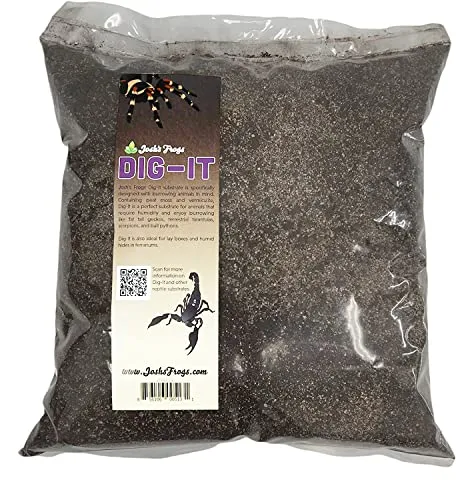
The cost and availability of substrate can vary. Coconut fiber and peat moss are generally affordable and readily available at most pet stores. More specialized substrates, like bioactive mixes, may be more expensive and harder to find. Consider your budget and the accessibility of substrate in your area. Always prioritize quality and safety over cost. Purchasing substrate in bulk might offer a better price. Weigh the benefits of different substrate options against your budget and local availability to make an informed decision that suits your needs.
Alternative Substrate Options
Coconut Fiber
Coconut fiber, also known as coco coir, is a popular substrate choice. It is made from the husks of coconuts and is highly absorbent, making it excellent for humidity control. It holds moisture well and provides a good surface for burrowing. It’s also relatively inexpensive and readily available. Coco fiber is also biodegradable, making it environmentally friendly. Ensure the coconut fiber is rinsed and free of salt and chemicals before use. Coco fiber is ideal for many species that require moderate to high humidity levels, making it a versatile option for different tarantula types.
Peat Moss

Peat moss is a natural substrate that is a great choice for tarantulas. It retains moisture effectively and is slightly acidic. This helps prevent mold and bacterial growth. It is often used in conjunction with other substrates, such as vermiculite or sand, to provide texture and improve drainage. Be sure to buy peat moss that is specifically designed for horticultural or reptile use. Pre-moisten the peat moss before adding it to the enclosure, and monitor its moisture level. Peat moss is an excellent option for species that require higher humidity and is well-suited for tarantulas that burrow.
Topsoil Blends
Topsoil blends, especially those designed for reptile use, can be a good substrate option, particularly for species that like to burrow. These blends often include a mix of topsoil, sand, and sometimes clay. Make sure the topsoil is free of fertilizers, pesticides, and other additives. You can often create your own topsoil blend to suit your species needs. Blends are a good choice for mimicking a more natural environment. Topsoil blends are versatile and can be tailored to the specific needs of your tarantula, making them a good choice for species that benefit from a more naturalistic environment.
How to Maintain Your Tarantula’s Substrate
Monitoring Humidity

Regularly monitor the humidity levels within your tarantula’s enclosure. Use a hygrometer to track the humidity and ensure that it is within the correct range for your species. Adjust the moisture levels as needed by adding water to the substrate or improving ventilation. If the humidity is too low, you can mist the enclosure or add a water dish. If it’s too high, improve ventilation. Consistent monitoring is crucial to maintaining the right environment for your tarantula, aiding in successful molting and preventing health issues. Make sure to understand the specific humidity preferences of your tarantula.
Spot Cleaning
Spot cleaning is an important part of substrate maintenance. Remove any uneaten food, fecal matter, and dead insects from the enclosure regularly, ideally at least once a week, to prevent mold and bacteria growth. Using long tweezers or tongs is recommended to remove any waste without disturbing the tarantula. Inspect the substrate during cleaning. If you notice any mold or excess moisture, address the issue immediately. Cleaning the enclosure supports a healthy habitat and contributes to the overall well-being of your tarantula. Careful and regular cleaning is important for maintaining a healthy environment.
Complete Substrate Changes
Periodically replace the entire substrate in your tarantula’s enclosure. The frequency depends on the substrate type and the size of your enclosure. Generally, complete substrate changes are recommended every 6 to 12 months. Remove the tarantula and place it in a temporary, secure container while you replace the substrate. Thoroughly clean the enclosure with warm water and a mild reptile-safe disinfectant. Allow the enclosure to dry completely before reintroducing the fresh substrate and the tarantula. This maintains a clean environment and prevents the build-up of harmful bacteria, promoting a healthy environment.