Top 5 Best Tarantula Pets
Tarantulas, with their impressive size and fascinating behaviors, have become increasingly popular pets. These arachnids offer a unique opportunity to observe nature’s wonders up close, and with the right knowledge, they can be relatively low-maintenance companions. This guide will introduce you to some of the best tarantula species for beginners and experienced keepers alike, focusing on their characteristics, care requirements, and overall suitability as pets. Choosing the right tarantula is the first step towards a rewarding experience, so let’s delve into the top 5 tarantula pets that will thrive in your care. This selection considers factors like temperament, ease of care, and availability, ensuring that you find a tarantula that fits your lifestyle and experience level.
Why Tarantulas Make Great Pets
Tarantulas present a compelling alternative to traditional pets, offering a unique and rewarding experience for those who appreciate the unusual. One of the primary reasons for their appeal is their relatively low maintenance compared to dogs or cats. They don’t require daily walks, constant grooming, or extensive training. Their diets are simple, primarily consisting of insects, which are readily available. Furthermore, tarantulas are typically quiet and odorless, making them suitable for various living situations. Many tarantula species also boast a long lifespan, with some females living for over 20 years, providing long-term companionship. Observing their behavior, such as hunting and molting, provides a constant source of fascination. While they might not offer the same level of interaction as a mammal, the opportunity to appreciate a different kind of life form is a significant draw for many pet owners. The sheer diversity of species, each with its unique appearance and temperament, offers a wide range of choices for potential owners.
Low Maintenance Tarantulas

Choosing a low-maintenance tarantula is crucial for first-time owners or those with busy lifestyles. These species generally require less frequent feeding, are less prone to health issues, and have more forgiving temperaments. They tend to thrive in a variety of conditions, reducing the need for complex environmental controls. The most low-maintenance tarantulas are known for their hardiness and ability to adapt to minor changes in their environment. While all tarantulas need proper care, these species are particularly forgiving of minor mistakes, making them ideal for beginners. They typically don’t require specialized diets or elaborate enclosures, further simplifying the care routine. Opting for a low-maintenance species allows you to enjoy the fascinating world of tarantulas without the constant worry and effort required by more demanding pets. This approach ensures that your tarantula thrives while fitting seamlessly into your daily routine.
The Mexican Redknee Tarantula
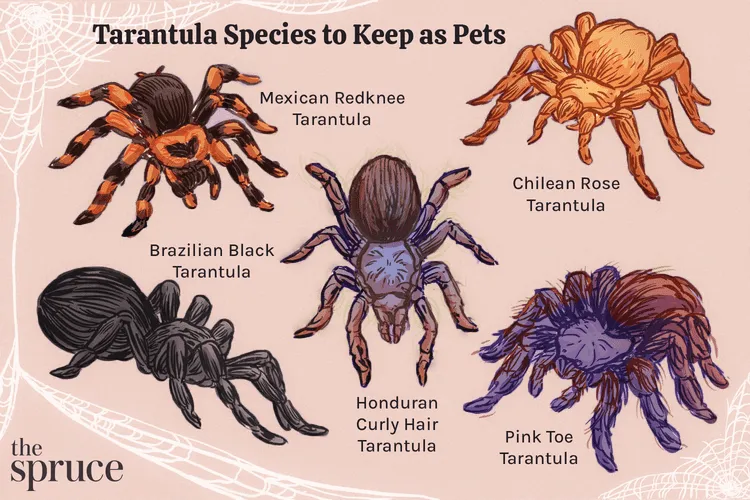
The Mexican Redknee Tarantula (Brachypelma hamorii) is arguably one of the most popular tarantulas in the pet trade. Its striking appearance, with vibrant red-orange markings on its leg joints against a black body, makes it visually appealing. This species is known for its relatively docile temperament, making it a good choice for beginners. They are also fairly hardy, adaptable to various environments, and have a moderate growth rate. The Mexican Redknee is relatively easy to handle, although it’s always wise to exercise caution, as all tarantulas can exhibit defensive behaviors. Their availability and the extensive information available on their care further contribute to their popularity. This species offers a captivating blend of beauty and ease of care, making it an excellent choice for those new to tarantula keeping, provided that they are aware of the responsibilities involved in caring for these fascinating creatures.
Mexican Redknee Tarantula Characteristics
Mexican Redknees are characterized by their distinctive coloration and relatively large size. Adult females can reach a leg span of up to 6 inches, while males are typically smaller. They are long-lived, with females often living for 20-25 years or more, and males generally living for 5-10 years. Their temperament is generally calm, and they are less likely to flick urticating hairs (small, irritating hairs used for defense) compared to some other species. They are terrestrial spiders, meaning they spend most of their time on the ground. Their slow movements and predictable behaviors contribute to their suitability as pets. These attributes, combined with their stunning appearance, make the Mexican Redknee a favorite among tarantula enthusiasts. They are known to be gentle and tend to be less defensive than other species.
Mexican Redknee Tarantula Care Guide

Caring for a Mexican Redknee involves providing a suitable habitat and a proper diet. They require a terrarium with a minimum size of 10 gallons for juveniles and 20 gallons or more for adults. The enclosure should have a substrate of approximately 4-6 inches deep, such as coconut fiber or peat moss, to allow for burrowing. Maintain a temperature between 75-85°F (24-29°C) and a humidity level of 60-70%. Provide a shallow water dish and hide for the tarantula to retreat. Feed them crickets, mealworms, or roaches, adjusting the size of the prey to match the tarantula’s size. Feed juveniles once or twice a week, and adults every 1-2 weeks. Handling should be kept to a minimum, and always be gentle if handling is necessary. Regular maintenance includes removing uneaten food and cleaning the enclosure periodically. These easy care requirements make the Mexican Redknee a prime choice for beginner tarantula keepers.
The Chilean Rose Tarantula
The Chilean Rose Tarantula (Grammostola rosea) is another excellent choice for beginners. Known for its gentle temperament and adaptability, it’s a popular pet across the globe. Their coloration is typically a mix of brown and pinkish hues, and while not as vibrant as some other species, their calm demeanor more than makes up for it. They are very hardy and can tolerate a wider range of environmental conditions. The Chilean Rose is a good eater and doesn’t require special attention, making them a straightforward pet. They are relatively inexpensive and readily available in most pet stores. This species is an ideal starter tarantula due to its forgiving nature, its ease of care, and its relatively low cost. It is also a long-lived species, providing many years of enjoyment for its keeper.
Chilean Rose Tarantula Characteristics
Chilean Rose Tarantulas are known for their docile and calm nature, making them handleable (though handling is always at the owner’s risk). Adult females typically reach a leg span of 5-6 inches, and they can live for up to 20 years or more. Their coloration varies, with shades of brown, pink, and sometimes gold. They are terrestrial spiders and spend most of their time on the ground. They are slow-moving and generally non-aggressive, although they can flick hairs if threatened. Their hardiness and ability to thrive in various conditions are notable characteristics. They are known for being very calm and relaxed tarantulas, and they do not pose a threat to humans. These traits make them a favorite among beginners and experienced keepers alike. Their long lifespan further enhances their appeal as companions.
Chilean Rose Tarantula Care Guide

Caring for a Chilean Rose is simple and straightforward. They require a 5-10 gallon terrarium for juveniles and a 10-20 gallon terrarium for adults. The substrate should consist of about 4-6 inches of coconut fiber or peat moss to facilitate burrowing. Maintain a temperature of 70-80°F (21-27°C) and a humidity level of 60-70%. Provide a shallow water dish and a hide. Feed them crickets, mealworms, or roaches, adjusting the size of the prey to the tarantula’s size. Feed juveniles once or twice a week, and adults every 1-2 weeks. Handling should be kept to a minimum, as it can stress the tarantula. Regular cleaning to remove uneaten food and waste is essential. Their adaptability to moderate temperatures and humidity levels makes the care of a Chilean Rose relatively effortless, appealing to both beginners and busy pet owners.
The Pinktoe Tarantula
The Pinktoe Tarantula (Avicularia avicularia) offers a unique appeal with its arboreal lifestyle and striking appearance. These tarantulas are known for their vibrant colors, with pink or reddish tips on their toes, and their ability to thrive in a vertical habitat. Unlike the terrestrial species, they prefer to climb and spend their time among branches and foliage. They are generally docile and handleable, making them interesting and engaging pets. While they require slightly more specific conditions compared to the terrestrial species, their beauty and unique behaviors make them a rewarding choice for those who are prepared to meet their needs. The Pinktoe is an excellent option for those looking for something different in terms of environment and aesthetics. Their arboreal nature and the vibrant colors provide a visually stunning display.
Pinktoe Tarantula Characteristics
Pinktoe Tarantulas are characterized by their arboreal lifestyle and vibrant coloration. Adults typically have a leg span of 4-5 inches. Their most distinctive feature is the pink or reddish tips of their toes, which are used for gripping and climbing. Their bodies range in color, from shades of green and blue to iridescent hues. They are fast and agile, making them exciting to watch. They are generally docile but can be skittish and may jump or run if startled. They tend to be less defensive compared to terrestrial species, and they are a favorite among those who are looking for something visually appealing. Their arboreal nature and bright colors set them apart from other popular tarantulas. Their care, while slightly different, is also very manageable.
Pinktoe Tarantula Care Guide

Caring for a Pinktoe Tarantula involves providing an arboreal setup, including a vertically oriented enclosure. A 10-gallon terrarium is suitable for juveniles, and a 15-20 gallon tall enclosure is ideal for adults. The enclosure should be well-ventilated and include climbing decor such as branches, cork bark, and artificial plants. Use a substrate of approximately 2-3 inches, such as a mixture of coco fiber and sphagnum moss, to maintain humidity. Maintain a temperature of 75-80°F (24-27°C) and a humidity level of 75-85%. Provide a shallow water dish and mist the enclosure a few times a week to maintain the correct humidity. Feed them crickets, fruit flies, or roaches, adjusting the size of the prey to match the tarantula’s size. Feed juveniles every 2-3 days, and adults 1-2 times a week. Their care requires a bit more attention to humidity, but their beauty and interesting behaviors make them a rewarding pet.
The Curly Hair Tarantula
The Curly Hair Tarantula (Tliltocatl albopilosus) is known for its distinctive appearance, with its body covered in curly hairs, giving it a unique texture. This species is exceptionally docile and easy to care for, making it an excellent choice for beginners. They are relatively hardy and can tolerate a wide range of conditions. Their gentle nature and simple care requirements make them a great pet for those new to the hobby. They are known for their slow movements and calm temperament. Their resilience and ease of maintenance make them a good option for beginners. They are also relatively inexpensive and are widely available. The combination of ease of care and their unique look makes them highly desirable.
Curly Hair Tarantula Characteristics
Curly Hair Tarantulas are distinguished by their abundance of curly, golden-brown hairs covering their bodies. They can reach a leg span of up to 6 inches. Their temperament is extremely docile, and they are unlikely to bite unless severely provoked. They are terrestrial spiders, and they do well with a simple substrate. They are also known to be good eaters and are relatively undemanding when it comes to their environment. Their overall appearance makes them an interesting pet. Their calm nature and slow movements make them a delight to observe. The unique texture of their hairs also adds to their visual appeal, making them a captivating species to keep. They are hardy, long-lived, and simple to maintain.
Curly Hair Tarantula Care Guide

Caring for a Curly Hair Tarantula is incredibly straightforward. They require a terrestrial setup, with a 5-10 gallon terrarium suitable for juveniles and a 10-20 gallon tank for adults. Provide a substrate of 4-6 inches deep, such as coconut fiber or peat moss, to allow for burrowing. Maintain a temperature of 70-80°F (21-27°C) and a humidity level of 60-70%. They do not require high humidity levels, making their care simple. Provide a shallow water dish and a hide. Feed them crickets, mealworms, or roaches, adjusting the prey size to match their size. Feed juveniles every 1-2 days, and adults once a week. Their care is exceptionally simple. This species is very adaptable and can tolerate fluctuations in their environment without any issues. They are also readily available, which makes them a prime choice for beginners. They also have a long lifespan, offering many years of companionship.
The Arizona Blonde Tarantula
The Arizona Blonde Tarantula (Aphonopelma chalcodes) is a beautiful and hardy species native to the southwestern United States. They are known for their docile temperament and striking appearance. Their tan to golden-brown coloration makes them visually appealing, and their calm demeanor makes them excellent pets. Their hardiness and adaptability make them suitable for keepers of all experience levels. Their availability and relatively low cost also add to their appeal. This species is known for its relaxed nature and ability to adapt to varying environmental conditions. They do well in captivity and are known for their manageable care requirements. Their beautiful appearance and gentle temperament make them highly sought-after by tarantula enthusiasts.
Arizona Blonde Tarantula Characteristics
Arizona Blondes are characterized by their tan to golden-brown coloration and relatively large size. Adult females can reach a leg span of 5-6 inches, and they are known for their longevity. Their temperament is generally calm, and they are not prone to aggressive behavior. They are terrestrial spiders and spend most of their time on the ground, often burrowing. They are slow-moving and generally pose little threat. Their calm nature and interesting behaviors make them a pleasure to observe. They also tend to be hardy and can adapt well to changes in their environment. These characteristics contribute to their popularity as pets. Their docile nature and stunning looks make them highly desirable.
Arizona Blonde Tarantula Care Guide

Caring for an Arizona Blonde Tarantula involves providing a suitable terrestrial setup. A 5-10 gallon terrarium is sufficient for juveniles, and a 10-20 gallon enclosure is suitable for adults. Provide a substrate of approximately 4-6 inches deep, such as a mixture of coco fiber and peat moss, to allow for burrowing. Maintain a temperature of 70-80°F (21-27°C) and a humidity level of 50-60%. Provide a shallow water dish and a hide for the tarantula to retreat. Feed them crickets, mealworms, or roaches, adjusting the size of the prey to match their size. Feed juveniles every 1-2 days, and adults once a week. They are known for being quite adaptable and can thrive in various conditions. This simplicity makes them an ideal pet for those looking for a low-maintenance companion. Their availability is also a plus. This is also a good option for beginners. Their care requires minimal attention.
Essential Tarantula Care Tips
Regardless of the species you choose, there are essential care tips that apply to all tarantulas. Providing a suitable habitat is crucial for their well-being. This includes choosing the right-sized enclosure, providing appropriate substrate, maintaining correct temperature and humidity levels, and offering suitable hides. Proper feeding is another essential aspect of tarantula care. Offer a diet of appropriately sized insects, such as crickets, mealworms, or roaches. Always provide a source of fresh water. Handling should be kept to a minimum, as tarantulas are easily stressed. While some species are docile, all tarantulas can bite, and their venom can cause irritation. Be cautious and gentle when handling. Regular cleaning of the enclosure is necessary to maintain a healthy environment. Remove uneaten food and any waste regularly. Observe your tarantula for any signs of illness or stress, and seek advice from experienced keepers or a veterinarian if needed. Taking care of your tarantula is a rewarding experience and these tips make sure that the tarantula is living a healthy and happy life.
Tarantula Habitat Setup
Setting up the right habitat is fundamental to the health and happiness of your tarantula. The enclosure size should correspond to the size and species of your tarantula. A general rule is to provide an enclosure that is at least three times the tarantula’s leg span in width and length. Appropriate substrate is essential, with options like coconut fiber, peat moss, or a mixture of both, providing burrowing opportunities for terrestrial species. The depth of the substrate should be sufficient for the tarantula to dig and burrow comfortably. The temperature and humidity levels vary based on the species, so research the specific requirements of your chosen tarantula. Provide a shallow water dish to ensure your tarantula has access to fresh water. Include hides, such as cork bark or artificial plants, to provide shelter and reduce stress. Proper ventilation is critical to prevent mold and maintain air quality. Regularly clean the enclosure to remove uneaten food and waste, maintaining a healthy and hygienic environment. This will guarantee that your tarantula stays happy.
Feeding Your Tarantula
Feeding your tarantula is one of the most important aspects of their care. The diet should consist primarily of live insects, such as crickets, mealworms, and roaches. The size of the prey should be appropriate for the tarantula’s size, generally no larger than the tarantula’s body length. Feeding frequency varies with age and species. Young tarantulas typically need to be fed more frequently, while adults can be fed less often. Overfeeding should be avoided, as it can cause health problems. Provide a fresh water source in a shallow dish at all times. Remove any uneaten food within 24 hours to prevent mold and bacteria growth. Observe your tarantula’s feeding habits, and adjust your feeding schedule accordingly. If your tarantula refuses to eat, it may be in premolt or experiencing other issues, so monitor their behaviors. A well-fed tarantula is more likely to be healthy and active. A good diet contributes to the overall well-being of the tarantula. Supplementation with vitamins is not always necessary, but can be helpful.
Handling Your Tarantula
Handling tarantulas should always be done with caution and should be kept to a minimum. While some species are more docile than others, all tarantulas can bite, and their bite can be painful. Urticating hairs, which some species flick, can cause irritation. Before handling, ensure the tarantula is calm and not in premolt. Approach the tarantula slowly and gently. Never try to grab or force the tarantula to move. Support the tarantula’s body with a soft surface, such as your hand. Handle the tarantula close to the ground or a soft surface to minimize the risk of injury if it falls. Wash your hands thoroughly after handling, and avoid touching your face. If you are bitten, clean the wound with soap and water and monitor for any signs of infection. It’s important to be aware of the potential risks, and it’s wise to err on the side of caution. Always be aware and do not handle the tarantula unless it is necessary. Handling can be stressful for these animals, which can also lead to harm.
Health and Safety
Maintaining the health and safety of your tarantula requires careful observation and preventative measures. Regularly inspect your tarantula for any signs of illness or injury, such as loss of appetite, lethargy, or unusual behavior. Monitor the enclosure for any signs of mold or pests, and take corrective action promptly. Ensure the enclosure is secure and escape-proof, as tarantulas can easily get out. Wash your hands thoroughly after handling your tarantula or cleaning its enclosure to prevent the spread of any potential pathogens. Handle your tarantula with care, and avoid startling or stressing it. If you notice any health issues, consult a veterinarian or experienced tarantula keeper for advice. Be informed about the risks and take necessary precautions to ensure your safety and the safety of your tarantula. Ensure that you have all the proper safety precautions. A healthy tarantula is a happy tarantula. Preventing health issues ensures the longevity and happiness of the tarantula.
Where to Buy Your Tarantula
Choosing a reputable source is crucial when purchasing a tarantula. Reputable breeders are usually the best option, as they are knowledgeable and can provide healthy specimens. Local pet stores can also be an option, but ensure the staff is knowledgeable about tarantula care. Online retailers offer a wide selection, but research the seller’s reputation and reviews before making a purchase. When choosing a tarantula, look for a healthy specimen that is active and has no visible injuries. Ask the seller about the tarantula’s species, origin, and care requirements. Avoid purchasing tarantulas from unknown sources. When buying online, verify that the seller offers a live arrival guarantee. Ensure that you are purchasing a tarantula from a reputable source. This will protect both you and your tarantula.