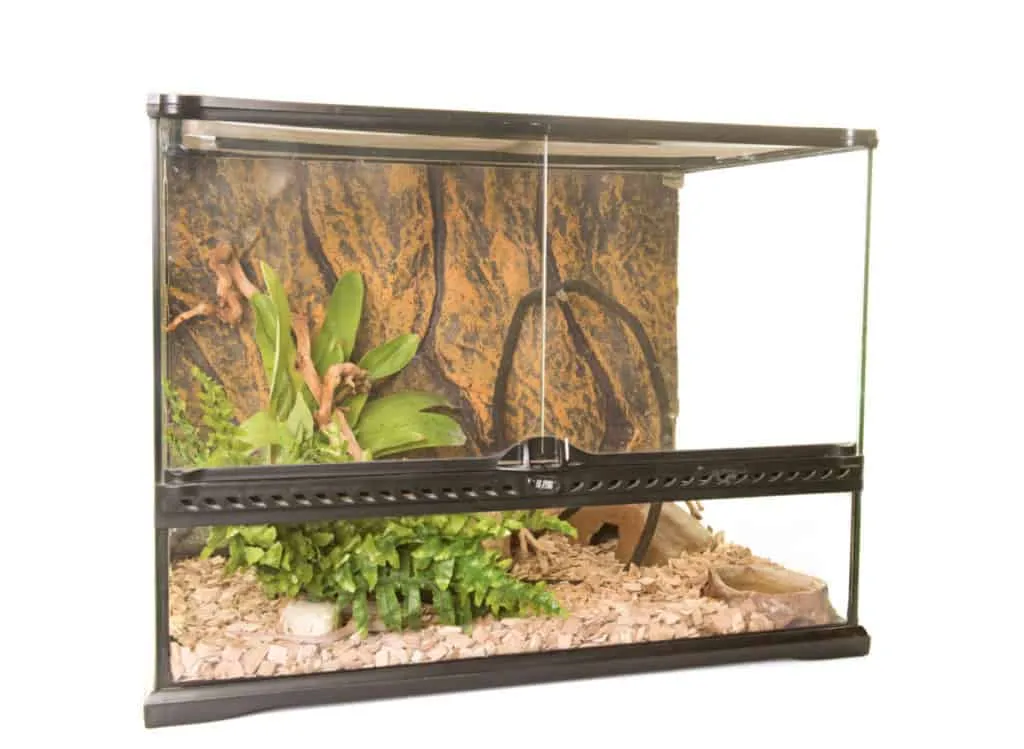
Choosing the Best Tarantula Enclosure
Selecting the right enclosure is crucial for the health and well-being of your tarantula. A well-chosen enclosure provides a safe and comfortable environment, allowing your pet to thrive. This video guide will walk you through the essential factors to consider, ensuring you create a perfect habitat for your eight-legged friend. From material choices to essential features, understanding the nuances of enclosure selection is the first step towards responsible tarantula ownership. We will cover everything from size to ventilation and humidity control, making certain your tarantula lives a long and happy life.
Factors to Consider Before Selecting an Enclosure
Before you even look at enclosures, you must consider several crucial factors. The size and species of your tarantula are paramount. Baby tarantulas need smaller enclosures, while larger, more mature tarantulas will require more space to roam. Consider the tarantula’s natural habitat. Researching their preferred environment will allow you to choose an enclosure that mimics it. Assess the enclosure’s accessibility for feeding, watering, and cleaning. Easy access is essential for your convenience and the tarantula’s well-being. Think about your budget, as enclosure prices vary significantly. Finally, assess ventilation, and the type of material the enclosure is made from. These preliminary assessments are crucial to providing the best possible home for your tarantula.
Tarantula Species and Their Enclosure Needs
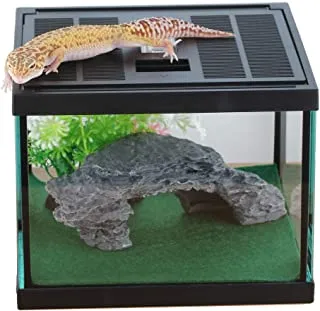
Different tarantula species have unique requirements. Understanding these differences is vital for proper enclosure selection. This section will categorize tarantulas based on their natural behaviors and habitat preferences. We will discuss the needs of terrestrial, arboreal, and semi-arboreal species, as these lifestyles directly impact enclosure design and setup.
Terrestrial Tarantulas Enclosure Requirements
Terrestrial tarantulas, like the common Mexican Red Knee, generally require a wider enclosure than they do tall. The ground space is the primary focus, as these tarantulas spend most of their time on the substrate. These tarantulas also need a good layer of substrate for burrowing. Provide plenty of space for your terrestrial tarantula to explore and establish their burrows. Additionally, ventilation is crucial for the health of the tarantula, and the control of moisture content.
Arboreal Tarantulas Enclosure Requirements
Arboreal tarantulas, such as the pink toe tarantula, prefer a taller enclosure to accommodate their climbing lifestyle. The enclosure should be high enough for them to climb and perch. Decorations like branches and cork bark are essential for providing climbing opportunities. Ventilation is especially important for arboreal species. They require airflow to prevent mold and maintain healthy humidity levels. Humidity and access to water is important.
Semi-Arboreal Tarantulas Enclosure Needs
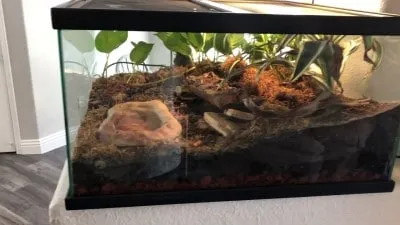
Semi-arboreal tarantulas, such as the Cobalt Blue, are a bit of a hybrid. They will utilize both vertical and horizontal space. These tarantulas need a blend of the terrestrial and arboreal setups. Provide a moderate height with some climbing opportunities and ample floor space for roaming and potentially burrowing. Semi-arboreal species need a balance of both height and ground space, along with good ventilation. It’s important to cater to their versatile habits.
Top Enclosure Materials
The material of your tarantula’s enclosure directly impacts its functionality and your pet’s safety. Choosing the right material is key to maintaining a suitable environment and preventing escape. Here, we will explore the pros and cons of common enclosure materials. The material influences ventilation, humidity retention, and overall ease of maintenance. Understanding the properties of each material will assist you in making the best decision for your tarantula.
Glass Terrariums for Tarantulas
Glass terrariums are a popular choice due to their transparency and aesthetic appeal. They allow for excellent viewing of your tarantula, and are easy to clean. However, glass can be heavy and potentially shatter if dropped. Ventilation can sometimes be a challenge. Make sure there are enough holes. Consider the weight, especially for larger enclosures. Despite these drawbacks, glass remains a practical choice for many tarantula keepers.
Acrylic Enclosures for Tarantulas

Acrylic enclosures are lightweight, durable, and offer excellent clarity. They are less likely to shatter than glass, making them a safer option. Acrylic also provides better insulation, helping to maintain consistent temperatures. The main downside is that acrylic can scratch more easily. Regular cleaning and handling can cause abrasions. However, acrylic enclosures are an excellent option for those who prioritize safety and insulation.
Plastic Containers as Enclosures
Plastic containers, such as those sold at department stores, can serve as budget-friendly options, and can be effective if modified appropriately. They are lightweight and readily available. However, plastic containers may not always provide adequate ventilation or be aesthetically pleasing. Proper ventilation is essential, and modifications may be needed, which involves drilling or cutting holes. Also, ensure that the plastic is durable and non-toxic, and consider the overall appearance for your personal enjoyment.
Essential Enclosure Features
Beyond the material, certain features are essential for a suitable tarantula enclosure. These features ensure the well-being and safety of your tarantula, as well as making maintenance easier for you. Proper ventilation, substrate, and the inclusion of decor can make all the difference to your tarantula’s quality of life. A well-designed enclosure considers both the tarantula’s needs and the keeper’s convenience.
Proper Ventilation for Tarantulas

Adequate ventilation is critical to prevent the buildup of harmful gases, mold, and excessive humidity. Enclosures must have well-placed ventilation holes, providing good airflow. The size and placement of ventilation depend on the species and the local climate. Proper ventilation helps regulate humidity levels and prevents the enclosure from becoming stagnant. Check that the ventilation system is secure enough to prevent escapes, but still allows adequate air circulation.
Substrate and Humidity Control
The substrate serves as the tarantula’s floor, provides a comfortable surface, and helps regulate humidity. The choice of substrate depends on the species. For terrestrial tarantulas, a blend of peat moss, coconut fiber, and a bit of topsoil is ideal. Arboreal species might benefit from a slightly drier substrate with good drainage. Regularly misting the enclosure and providing a water dish helps to maintain appropriate humidity levels, which is essential for the tarantula’s health and proper molting.
Decor and Hiding Places for Tarantulas
Tarantulas are shy creatures. Hiding places, like cork bark, hollow logs, or artificial plants, offer a sense of security. Decorations should be safe and non-toxic, and provide climbing opportunities for arboreal species. Ensure the decor is not sharp or hazardous. Avoid decorations that can trap or injure the tarantula. Decorations also make the enclosure visually appealing, enhancing your enjoyment of your pet.
Lighting and Heating Considerations

Tarantulas don’t require special lighting, but a low-wattage bulb can provide some ambient light for viewing. Avoid direct sunlight, as it can overheat the enclosure. Heating is usually not necessary unless the room temperature consistently falls below 70°F (21°C). If supplemental heating is needed, use a heat mat placed on the side of the enclosure. Always monitor the temperature to ensure it stays within a safe range. Never put the heat mat directly under the enclosure.
Creating the Perfect Tarantula Habitat
Building the perfect habitat is a rewarding experience. It involves setting up the enclosure step-by-step, ensuring all elements are in place, and providing your tarantula with a comfortable and enriching environment. This section provides a guide for setup, adding substrate, and decorating your enclosure.
Setting Up the Enclosure Step-by-Step
Begin by thoroughly cleaning and disinfecting the enclosure. Next, add a layer of substrate, considering the needs of your tarantula. Incorporate decorations and hiding places before adding the tarantula. Always ensure that all elements are safe and secure. Introduce your tarantula slowly to its new home. Observe your tarantula in the first few days, making sure it has everything it needs. The set up should reflect the natural environment of your tarantula species.
Adding Substrate and Decor

The substrate should be the base for the enclosure, followed by the addition of decor. For terrestrial species, the substrate layer should be deep enough to allow for burrowing. Arboreal species should have plenty of climbing opportunities. Arrange decorations in a way that provides security and enrichment. Make sure the layout allows for easy access to the water dish and the tarantula’s food. The decor can reflect your tarantula’s natural environment. The choice of substrate and decor is crucial to the creation of an engaging habitat.
Maintaining the Tarantula Enclosure
Maintaining the enclosure is an ongoing process, including regular cleaning, monitoring humidity and temperature, and ensuring the tarantula receives proper care. Regular maintenance is vital for the tarantula’s health and longevity. Consistent care ensures that the enclosure remains a clean and stable environment. Following this section will help create an environment where your tarantula can thrive.
Regular Cleaning and Maintenance
Remove any uneaten food, shed exoskeletons, and waste regularly. Spot clean the substrate as needed. Conduct a complete enclosure cleaning every few months, replacing the substrate. Always disinfect any items removed from the enclosure before returning them. Regular maintenance reduces the risk of mold, mites, and other problems, which are common in a tarantula’s enclosure.
Monitoring Humidity and Temperature
Use a hygrometer and thermometer to monitor humidity and temperature levels. Adjust the humidity by misting the enclosure, or using a water dish. Ensure that the temperature remains within the ideal range for your tarantula species. Regularly monitor these parameters, as changes in humidity or temperature can affect the tarantula’s health. Make sure to maintain consistent conditions to keep your pet happy.
Feeding and Watering Your Tarantula
Provide your tarantula with a water dish and fresh water at all times. Feed your tarantula appropriately sized insects or other prey items. The feeding frequency depends on the age and species of the tarantula. Remove any uneaten prey within 24 hours. Observe your tarantula’s feeding habits and adjust your care accordingly. It’s important to adjust your care to suit the species and life cycle of your tarantula.
In conclusion, setting up and maintaining the perfect tarantula enclosure is a journey that combines knowledge, care, and dedication. By following the guidelines in this guide, you can create a thriving environment for your tarantula. Remember to research your specific species, and always prioritize the well-being of your pet. With the right enclosure, your tarantula will be able to live a long and healthy life. Enjoy your new pet and the wonderful world of tarantula keeping!