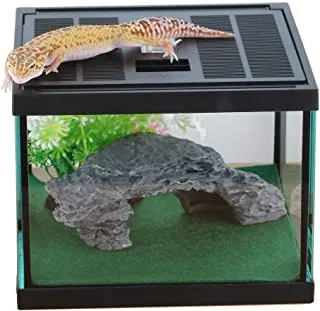
Top 5 Best Tarantula Enclosures
Choosing the best tarantula enclosure is crucial for the health, happiness, and longevity of your eight-legged friend. A well-designed habitat provides not only a safe and secure environment but also caters to the specific needs of your tarantula species. From ensuring proper ventilation and humidity levels to offering ample space for movement and enrichment, the right enclosure is the cornerstone of responsible tarantula ownership. This guide will help you navigate the various options available, focusing on key features and considerations to ensure you select the perfect home for your pet spider. Whether you’re a seasoned tarantula enthusiast or a newcomer to the world of arachnids, understanding the nuances of tarantula enclosures is the first step toward providing a thriving and enriching life for your captivating companion.
Enclosure Size for Your Tarantula (and Why It Matters)
The size of your tarantula enclosure is a critical factor, directly impacting your spider’s well-being and behavior. A habitat that’s too small can restrict movement, lead to stress, and hinder natural behaviors such as burrowing or web-building. Conversely, an enclosure that’s excessively large can make it difficult for your tarantula to find food, regulate its body temperature, and feel secure. The ideal enclosure size depends on the species and size of your tarantula. Generally, a good rule of thumb is to provide an enclosure that is at least two to three times the tarantula’s leg span in width and length. Height requirements vary depending on whether the species is terrestrial, arboreal, or fossorial (burrowing). Always research your specific tarantula species to determine the appropriate dimensions and ensure a comfortable and stimulating environment. Using a too small enclosure can result in the tarantula becoming stressed, and its growth being stunted. Conversely, a too-large enclosure can make it more difficult for the tarantula to find its food.
Choosing the Right Substrate

The substrate, or bedding, in your tarantula enclosure serves multiple purposes, including moisture retention, waste absorption, and providing a natural environment for your spider. The choice of substrate is crucial, as it directly impacts humidity levels, which are essential for your tarantula’s health. Several substrate options are available, each with its own advantages and disadvantages. Commonly used substrates include coconut fiber (eco earth), peat moss, vermiculite, and a mix of these materials. Coconut fiber is a popular choice due to its excellent moisture retention and natural appearance. Peat moss is another good option, offering similar benefits. Vermiculite is useful for maintaining humidity but can be dusty. It’s important to select a substrate that is free from pesticides, chemicals, and other harmful substances. The substrate should be deep enough to allow for burrowing, especially for fossorial species. Consider the specific requirements of your tarantula species when making your selection, as some species thrive in drier environments while others require higher humidity levels.
Humidity Control for Your Tarantula
Maintaining the correct humidity level is essential for the health of your tarantula, as it directly impacts its ability to molt successfully. Insufficient humidity can lead to molting problems, dehydration, and other health issues. The required humidity levels vary depending on the species of tarantula, with some species thriving in humid environments and others preferring drier conditions. To monitor humidity, use a hygrometer placed inside the enclosure. You can increase humidity by misting the enclosure with water, ensuring the substrate remains slightly moist but not waterlogged. Adequate ventilation is also important, as excessive humidity can lead to mold growth. For species requiring high humidity, consider using a water dish and ensuring the substrate is consistently damp. Conversely, for species that prefer drier conditions, ensure good ventilation and avoid excessive misting. Regularly monitor the humidity levels and adjust your care routine as needed to maintain the optimal environment for your tarantula. Always research your specific species humidity requirements.
Ventilation is Key
Proper ventilation is another crucial aspect of tarantula enclosure design. Adequate airflow prevents the buildup of stale air, reduces the risk of mold and mildew growth, and helps regulate humidity levels. Enclosures should have ventilation holes or mesh screens on the sides or top to facilitate air circulation. The amount of ventilation needed depends on the tarantula species and its humidity requirements. For species that prefer drier environments, more ventilation is generally needed. For species that require higher humidity, less ventilation might be necessary, but it is important to still have some airflow. Avoid enclosures with completely sealed lids or sides, as this can lead to a buildup of moisture and stagnant air. Regularly inspect the ventilation holes for any blockages, and ensure that air can circulate freely throughout the enclosure. Poor ventilation can lead to respiratory issues, fungal infections, and other health problems in your tarantula. Good ventilation is vital for the health of your tarantula.
Decorating Your Tarantula’s Habitat
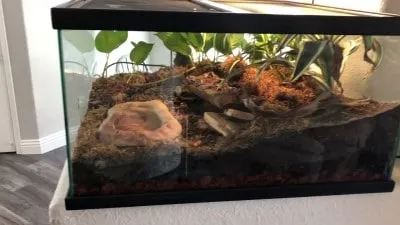
Adding decorations to your tarantula’s enclosure enhances its environment and provides enrichment. Decorations offer hiding places, climbing structures, and opportunities for your tarantula to express its natural behaviors. Naturalistic decorations, such as cork bark, driftwood, and artificial plants, are excellent choices. Cork bark provides excellent hiding spots and can also be used to create climbing structures for arboreal species. Artificial plants add visual appeal and help maintain humidity levels. Avoid using decorations with sharp edges or toxic materials. Ensure that all decorations are securely placed and will not pose a hazard to your tarantula. The type of decorations you choose should be appropriate for your tarantula’s species and its natural habitat. Some species prefer to burrow, so provide a deep substrate and appropriate hiding places. Other species are more arboreal and may benefit from climbing structures. Enriching your tarantula’s enclosure provides a healthier and more stimulating living space.
Hiding Places & Climbing Structures
Hiding places are essential for tarantulas, as they provide security and allow the spiders to retreat from potential stressors. Cork bark, half logs, and artificial hides are all excellent options. The hiding place should be appropriately sized for your tarantula, allowing it to comfortably fit inside. For arboreal species, provide climbing structures such as branches or pieces of cork bark that reach towards the top of the enclosure. These structures allow your tarantula to climb and explore its environment. The arrangement of hiding places and climbing structures should reflect the tarantula’s natural behavior. Make sure the chosen decor is stable and does not present a risk of injury. Ensure there is enough space for the tarantula to move around easily, even with the addition of hiding places and climbing structures. Providing appropriate hides and climbing structures gives the tarantula a sense of security and aids its natural behaviors.
Feeding Dishes and Water Bowls
Providing a feeding dish and a water bowl is an important part of tarantula care. Choose a feeding dish that is appropriate for the size of your tarantula. A shallow dish will help the tarantula to eat without issue. For water, use a shallow water bowl that is easily accessible. Ensure the water bowl is filled with clean water at all times, and replace the water regularly to prevent the growth of bacteria. The size of the water bowl should match the size of the tarantula. Consider the tarantula’s behavior when choosing a feeding dish. Some tarantulas may be messy eaters, so a dish that helps contain their food is a good idea. The water should be readily available at all times for hydration. Having a feeding dish makes it easier to clean up uneaten food and helps reduce the risk of pests. Keeping your tarantula well-fed and hydrated will help it thrive.
Top 5 Best Tarantula Enclosure Choices

Here are some of the best tarantula enclosure choices, considering factors like ease of use, safety, and suitability for various tarantula species. These are suggestions only and you should always research your specific tarantula species’ requirements.
Enclosure Option 1
A well-ventilated glass terrarium with a secure screen top. It offers excellent visibility and is relatively easy to clean and maintain. It is well-suited for terrestrial species like the Chilean Rose Hair tarantula. The secure screen top provides good ventilation while preventing escape.
Key Features and Benefits
- Excellent visibility for viewing your tarantula
- Good ventilation to prevent mold and mildew growth
- Secure screen top to prevent escape
- Easy to clean and maintain
- Available in various sizes
Enclosure Option 2

A plastic enclosure with a sliding front door and a ventilated top. This is another great option, especially for arboreal species. These are also useful for fossorial tarantulas because they allow for a deep substrate layer.
Key Features and Benefits
- Front-opening door for easy access
- Good ventilation to prevent moisture buildup
- Secure and easy to clean
- Ideal for arboreal species or those that like to burrow
- Holds humidity well
Enclosure Option 3
A custom-built enclosure with specific features, such as built-in hides or automated misting systems. For the experienced tarantula keeper, a custom enclosure can be designed to meet the specific needs of a particular species.
Key Features and Benefits
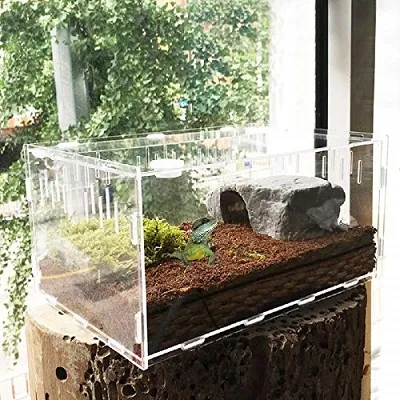
- Can be fully customized to your species
- Allows for integrated features like built-in hides
- Can include automated systems
- Suited for rare or demanding species
- High level of control over the enclosure
Enclosure Option 4
A modified plastic storage container with drilled ventilation holes. This is a budget-friendly option for beginners, but it requires some DIY work.
Key Features and Benefits
- Very affordable
- Customizable to your needs
- Requires some DIY skills
- Can be modified as your tarantula grows
- Easy to find at any store
Enclosure Option 5

A bioactive enclosure setup, which includes live plants, a cleanup crew, and other natural elements to create a self-sustaining ecosystem. These setups require more maintenance but can be very rewarding.
Key Features and Benefits
- Creates a more natural environment
- Reduces the need for manual cleaning
- Requires more expertise
- Provides enrichment for your tarantula
- Aesthetically pleasing
Maintaining Your Tarantula Enclosure
Regular maintenance is essential for keeping your tarantula’s enclosure clean and healthy. This includes spot-cleaning the enclosure to remove any waste, uneaten food, or dead insects. The frequency of spot-cleaning depends on the size of the enclosure and the feeding habits of your tarantula. Every one to two months, you should do a more thorough cleaning, which involves removing the substrate and cleaning the entire enclosure with a mild soap or disinfectant. Be sure to rinse the enclosure thoroughly to remove any soap residue. Replace the substrate with fresh material and redecorate the enclosure as needed. Always wear gloves when handling your tarantula or cleaning its enclosure. Proper maintenance will help prevent the buildup of harmful bacteria and odors, and it will create a more pleasant environment for both you and your pet.
Cleaning and Maintenance Schedule
- Spot-clean the enclosure regularly (e.g., remove uneaten food, waste)
- Replace water in the water bowl every few days
- Replace substrate every 1-2 months or as needed
- Clean the entire enclosure with mild soap or disinfectant during substrate replacement
- Monitor humidity and adjust misting frequency as needed
Monitoring Your Tarantula’s Health
Regularly monitor your tarantula’s health and behavior to identify any potential problems. Look for signs of illness, such as lethargy, loss of appetite, difficulty molting, or unusual behaviors. Inspect your tarantula’s body for any signs of injury or parasites. Monitor the enclosure’s temperature and humidity levels to ensure they are within the appropriate range for your tarantula species. If you notice any changes in your tarantula’s health or behavior, consult with a veterinarian who specializes in exotic animals or an experienced tarantula keeper. Early detection and intervention are crucial for treating any health issues. A healthy tarantula is active, alert, and feeds regularly. Providing a clean, well-maintained enclosure and monitoring your tarantula’s health regularly will increase your tarantula’s life expectancy.