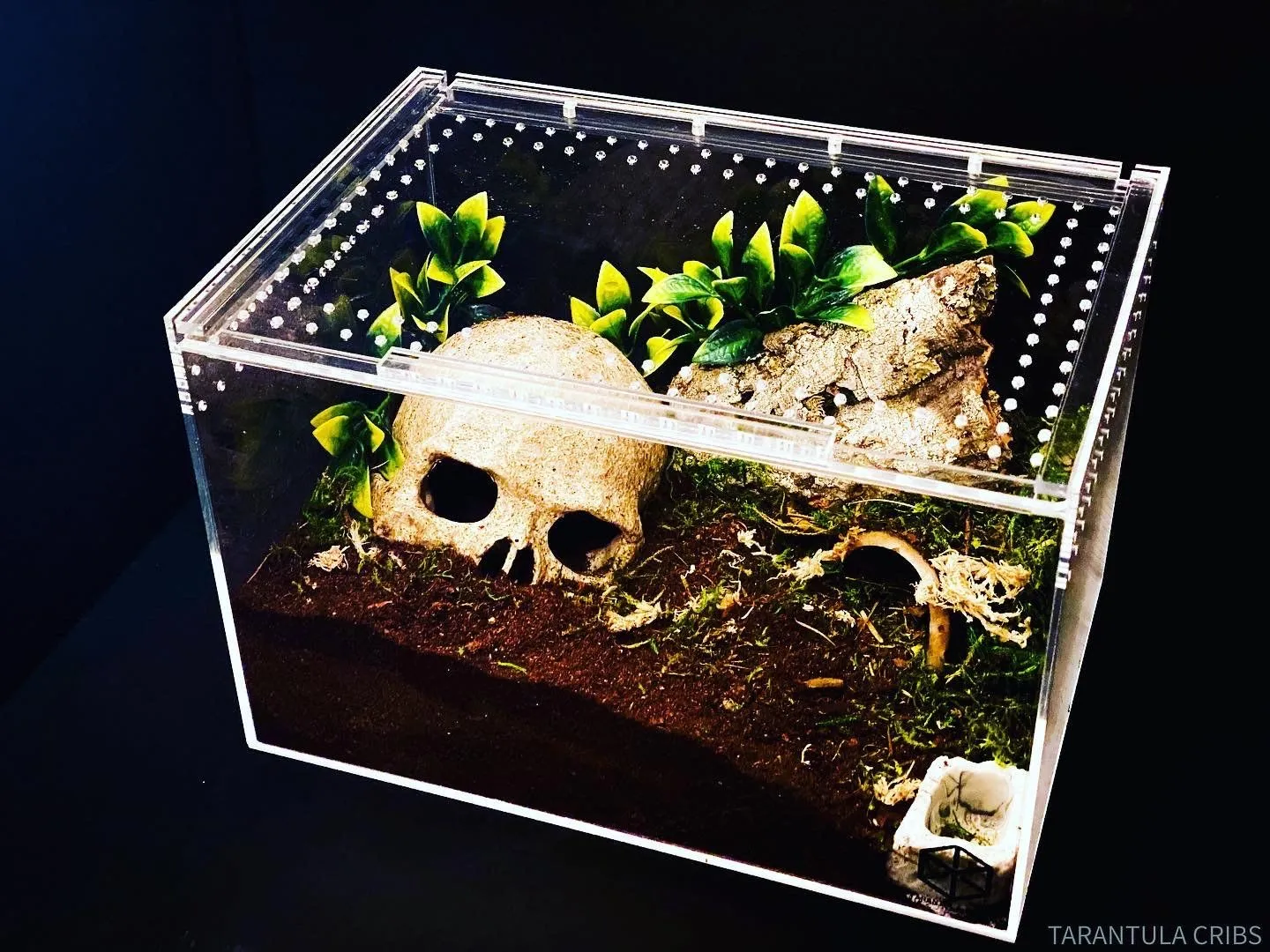
What to Consider Before Buying a Tarantula Enclosure
Choosing the right tarantula enclosure is crucial for your pet’s health and well-being. A well-designed habitat provides a safe and stimulating environment, allowing your tarantula to thrive. Before purchasing an enclosure, it’s essential to consider several key factors. These include the tarantula species, its size (both current and expected adult size), and its specific needs regarding humidity, ventilation, and temperature. Also, you must think about the material of the enclosure, its accessibility for cleaning and maintenance, and your personal preferences regarding aesthetics and ease of use. Taking these factors into account will help you choose an enclosure that meets your tarantula’s needs while also being manageable for you to maintain. This guide will walk you through the most critical considerations.
Size Matters Choosing the Right Enclosure Size
The size of the tarantula enclosure is one of the most important factors to consider. A cramped enclosure can stress your tarantula, while an enclosure that’s too large may make it difficult for the tarantula to find food and feel secure. Generally, the enclosure should be approximately three times the tarantula’s leg span in length and width. The height should also be considered, particularly for arboreal species that climb. Always consider the adult size of your tarantula when selecting an enclosure, not just its current size. This will prevent you from having to upgrade the enclosure frequently. A good rule of thumb is to allow for ample space for the tarantula to move around, molt, and engage in natural behaviors. A larger enclosure offers more opportunity to create a suitable microclimate within the habitat. The size selection will also depend on the species and its lifestyle; arboreal tarantulas need more vertical space than terrestrial ones.
Factors to Consider when Choosing a Size

When deciding on the size, consider your tarantula’s species-specific needs. Terrestrial tarantulas, such as the G. pulchra, typically require more floor space, while arboreal species, like the Avicularia genus, need more vertical space for climbing. The enclosure should also accommodate the tarantula’s burrowing or webbing habits. Ensure enough space for substrate depth if your tarantula is a burrower. Consider the placement of hides, water dishes, and other décor. Ensure that all these elements can fit comfortably without overcrowding the enclosure. An overcrowded enclosure not only makes it difficult for the tarantula to move around but also hinders your ability to maintain the habitat properly, posing health risks. Lastly, make sure the enclosure size doesn’t feel daunting for the tarantula, preventing it from feeling secure.
Ventilation Importance of Proper Airflow
Proper ventilation is critical for maintaining a healthy environment inside your tarantula’s enclosure. Adequate airflow helps to prevent the build-up of stagnant air, which can lead to mold, mildew, and the growth of harmful bacteria. Good ventilation also helps regulate humidity levels, preventing the enclosure from becoming too humid, which can be detrimental to the tarantula’s health. The enclosure should have ventilation holes or a mesh top to allow for proper air circulation. The placement and size of the ventilation are also important, as this impacts the humidity and temperature gradient within the enclosure. Avoid enclosures with poor ventilation, as this may lead to respiratory problems or other health issues for your tarantula. Regular monitoring of the humidity level is crucial, as it must be aligned with the species’ specific needs.
Types of Tarantula Enclosure Materials
Tarantula enclosures are typically made from glass, acrylic, or sometimes mesh. Each material has its advantages and disadvantages, and the best choice depends on your specific needs and preferences.
Glass Enclosures pros and cons

Glass enclosures are a popular choice because they offer excellent visibility. They are also relatively easy to clean and sanitize. However, glass enclosures can be heavy, and they may not provide as much ventilation as other materials. Glass can also retain heat, potentially overheating the enclosure if not properly monitored. The cost of glass enclosures may be higher compared to acrylic. When selecting a glass enclosure, ensure it’s well-constructed and includes secure ventilation. Consider the potential for breakage and handle the enclosure with care to prevent accidents.
Acrylic Enclosures pros and cons
Acrylic enclosures are lightweight, durable, and offer good visibility. They are also often easier to drill holes into for added ventilation. Acrylic is more resistant to breakage than glass, making it a safer option. However, acrylic can scratch easily, which can affect the clarity of the view. Some acrylic enclosures may also be more expensive than glass ones. Ensure that the acrylic is non-toxic and safe for your tarantula. Regular cleaning with appropriate cleaning agents is essential to maintain the enclosure’s aesthetic appeal and hygiene.
Mesh Enclosures pros and cons
Mesh enclosures are typically made of a screen or wire mesh, usually with a frame. They provide excellent ventilation, which is crucial for certain tarantula species that prefer drier environments. However, they may not retain humidity as well as glass or acrylic enclosures, and they can be more difficult to clean. Ensure the mesh is fine enough to prevent your tarantula from escaping, and be aware that the tarantula’s claws can sometimes get caught in the mesh, which might be problematic during molting. Mesh can also be less visually appealing compared to other materials. Mesh enclosures may not be suitable for all environments, and you’ll have to assess the species needs before choosing them.
Best Tarantula Enclosure Types for Different Species

Different tarantula species have different enclosure needs. The ideal enclosure will vary depending on whether the tarantula is terrestrial, arboreal, or semi-arboreal.
Terrestrial Tarantulas
Terrestrial tarantulas, which live on the ground, require enclosures with more floor space than height. The enclosure should be wide enough for the tarantula to move around comfortably and deep enough to allow for a generous substrate layer for burrowing, which is a natural behavior for many terrestrial species. The depth of the substrate also helps maintain humidity levels. A hide, such as a cork bark or a cave, should be provided to offer a sense of security. Examples of terrestrial species include the Chilean Rose Hair and the G. pulchra.
Arboreal Tarantulas
Arboreal tarantulas, which live in trees, need tall enclosures to accommodate their climbing habits. The enclosure height is crucial, and horizontal space is secondary. These species benefit from having branches, cork bark, or other climbing structures to mimic their natural environment. They may also require higher humidity levels than terrestrial species, so ensure the enclosure has appropriate ventilation. Popular arboreal species include the Pinktoe Tarantula and the Greenbottle Blue Tarantula.
Semi-Arboreal Tarantulas

Semi-arboreal tarantulas are intermediate, displaying behaviors of both terrestrial and arboreal species. Their enclosures should provide a balance of floor space and height, often with a mix of substrate and climbing structures. The setup must accommodate their varied needs, allowing them to burrow to a certain extent while also offering climbing opportunities. The design has to offer both ground level and elevated areas to help the tarantula feel secure and enable them to express their natural behaviors.
Setting Up Your Tarantula Enclosure
Setting up your tarantula enclosure correctly is essential for the health and well-being of your pet. This involves selecting the appropriate substrate, providing décor, and ensuring that the enclosure is well-ventilated and secure.
Substrate Selection
The substrate is the bottom layer of the enclosure, and it plays a crucial role in providing a comfortable environment and maintaining humidity levels. The best substrate for your tarantula depends on its species. Common substrate options include coconut fiber, peat moss, vermiculite, and a mix of these. Ensure the substrate is non-toxic and free of any chemicals or pesticides. Terrestrial species typically benefit from deeper substrate for burrowing, while arboreal species may not need as much. Regular monitoring of the substrate and maintaining its moisture levels are crucial for health.
Decorating the Enclosure

Decorating the enclosure provides enrichment for your tarantula and enhances the aesthetic appeal of the habitat. Provide a hide, such as a piece of cork bark, a hollow log, or a commercially available hide, to offer a sense of security. You can also add plants, either live or artificial, to enhance the environment. Make sure any décor is safe, non-toxic, and securely placed to prevent the tarantula from getting trapped or injured. Avoid any sharp objects or materials that could potentially harm the tarantula. The decoration also has to consider the species needs; an arboreal species won’t need an open space on the ground, while a terrestrial one may benefit from it.
Maintaining Your Tarantula Enclosure
Regular maintenance is essential for keeping your tarantula’s enclosure clean and healthy. This involves cleaning the enclosure, controlling humidity and temperature, and providing fresh water.
Cleaning and Maintenance
Spot-clean the enclosure regularly by removing uneaten food, molted exoskeletons, and any waste. Fully clean the enclosure periodically, typically every few months, or sooner if needed. During a full clean, remove the tarantula (in a safe container), remove and discard the old substrate, and thoroughly clean the enclosure with a reptile-safe cleaner. Rinse the enclosure well before adding fresh substrate and reintroducing the tarantula. Regular maintenance prevents the buildup of harmful bacteria and provides the best environment for your tarantula.
Humidity and Temperature Control

Maintaining the correct humidity and temperature levels is crucial for the health of your tarantula. The ideal levels will depend on the species. Use a hygrometer and a thermometer to monitor the enclosure’s conditions. Adjust the humidity levels by misting the enclosure with water, providing a water dish, or adjusting the ventilation. Use a heat source, such as a heat mat or a ceramic heat emitter, to maintain the appropriate temperature, but always ensure the heat source is regulated and does not overheat the enclosure. Avoid placing the enclosure in direct sunlight or near drafts. The goal is to recreate the natural habitat of the species.
Duck-Friendly Enclosure Design
While the term “duck-friendly” in the context of tarantula enclosures may seem unconventional, it’s crucial to ensure the enclosure is safe and secure for your tarantula. There is no specific requirement for this design, the emphasis is on the quality of life.
Essential Features for Duck-Inspired Habitats
Focus on the enclosure’s primary purpose: to create a safe and secure environment for your tarantula. Prioritize features like a secure lid to prevent escapes, appropriate ventilation to maintain air quality, a suitable substrate to regulate humidity and allow for burrowing (if applicable), and carefully chosen décor that provides hiding places and enhances the environment. The design doesn’t necessarily have to be duck-themed, but all the components should be selected carefully to avoid any potential harm to the tarantula. Avoid anything that could be harmful, such as sharp objects or small components that could be ingested. The habitat’s focus should be on the arachnid.
Safety First Preventing Escapes and Injuries
Ensuring your tarantula’s safety should be the top priority. Always use an enclosure with a secure lid to prevent escapes. Tarantulas can be surprisingly fast and agile, so a well-fitting lid is essential. Inspect the enclosure regularly for any signs of damage or weaknesses. Avoid using any sharp objects in the enclosure that could potentially injure the tarantula. When handling the enclosure or performing maintenance, always exercise caution to avoid crushing the tarantula or causing injury. Choose appropriate décor and furnishings that are non-toxic and safe. Regular inspection of the enclosure will keep your tarantula protected and prevent potential hazards.
Top Tarantula Enclosure Recommendations
Based on various factors, including material, size, and design, here are a few of the top recommendations for tarantula enclosures. These suggestions are based on common species needs, usability, and safety. Specific recommendations should consider the species of tarantula.
Where to Buy Tarantula Enclosures
Tarantula enclosures are available at various pet stores, both online and brick-and-mortar. Reputable online retailers often offer a wide selection of enclosures, as well as substrates, décor, and other supplies. Local pet stores can also be a good option, allowing you to see the enclosure in person before purchasing. When buying, ensure that the retailer offers quality products and has a good reputation for customer service. Comparing prices and reading customer reviews can help you make an informed decision. Remember to consider shipping costs and return policies before making your purchase.