Choosing the Right Substrate Why It Matters
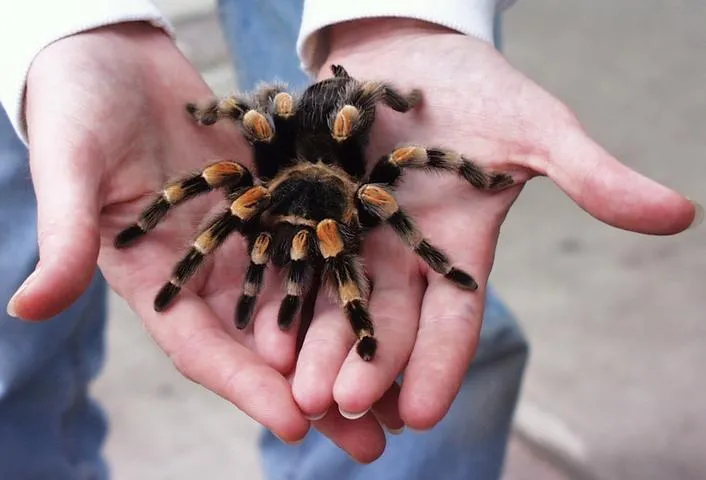
The substrate you choose for your Mexican Red Knee Tarantula is more than just bedding It’s a crucial element of their well-being. A proper substrate provides the necessary environment for your tarantula to thrive, supporting their natural behaviors and maintaining their health. The substrate helps regulate humidity levels, allows for burrowing, and offers a comfortable surface for your pet to move around. Making the right choice ensures your tarantula lives a long, healthy, and stress-free life. Understanding the different substrate options and their respective benefits and drawbacks is essential for responsible tarantula ownership, as it directly impacts the spider’s ability to regulate moisture, feel secure, and engage in natural behaviors.
Understanding Mexican Red Knee Tarantula Needs
To select the ideal substrate, it’s vital to understand the specific needs of the Mexican Red Knee Tarantula (Brachypelma hamorii). These beautiful creatures are native to the arid regions of Mexico, and their natural habitat provides valuable insight into their ideal living conditions. They need a balance of humidity and dryness. Too much moisture can lead to mold and bacterial growth, while insufficient humidity can cause molting problems. The substrate plays a huge role in providing this balance, so it’s not just about picking a substrate but about creating an environment that replicates their natural habitat as closely as possible.
Burrowing Behavior

Mexican Red Knee Tarantulas are known for their burrowing behavior, especially when they are younger. Providing a substrate that allows them to dig and create burrows is essential for their well-being and security. These burrows offer a safe retreat, a place to molt, and a stable microclimate. A substrate that packs well but isn’t too compact is perfect. They will spend a considerable amount of time in these burrows, so the substrate must maintain its structure, not collapse, and must be free from any harmful contaminants. The depth of the substrate should be sufficient to allow for comfortable burrowing, usually several inches deep for adults, giving them plenty of space to create tunnels and chambers.
Humidity Requirements
Mexican Red Knee Tarantulas thrive in moderate humidity levels, typically between 60% and 70%. The substrate plays a crucial role in regulating humidity within the enclosure. It absorbs moisture and slowly releases it, creating a stable environment. Selecting a substrate with good moisture-retaining properties is key, but it’s equally important to ensure the substrate doesn’t become waterlogged. Proper ventilation in the enclosure helps prevent excessive humidity and the growth of mold. Regular monitoring of humidity levels using a hygrometer and adjusting the amount of water added to the substrate is important to maintain the correct conditions.
Substrate Options Top 5 Choices
There are several substrate options available for Mexican Red Knee Tarantulas, each with its own advantages and disadvantages. The best choice depends on factors such as your personal preferences, the needs of your tarantula, and ease of maintenance. Here are the top five substrates commonly used by tarantula keepers. Each offers different properties regarding moisture retention, burrowing ability, and overall suitability for the species. Understanding the characteristics of each substrate will help you select the best option for your tarantula’s enclosure.
Coconut Fiber The Classic Choice

Coconut fiber, also known as coco coir, is a popular substrate among tarantula keepers. It’s a natural product made from the husk of coconuts. It’s readily available in compressed bricks that expand when hydrated. Coconut fiber offers many benefits for both the tarantula and the keeper. It’s readily available, affordable, and easy to use, making it a perfect solution. Its natural properties make it a top choice for many, creating a good foundation for their tarantula’s environment.
Benefits of Coconut Fiber
- Excellent moisture retention, helping to maintain proper humidity levels.
- Allows for burrowing and is easy for tarantulas to manipulate.
- Relatively mold-resistant compared to some other substrates.
- Readily available and affordable.
- Eco-friendly and sustainable.
Drawbacks of Coconut Fiber
- Can become dusty when dry, potentially irritating to the tarantula’s respiratory system.
- May require periodic replacement due to breakdown over time.
- Can sometimes harbor mites if not properly prepared.
Peat Moss A Natural Option

Peat moss is a natural substrate derived from partially decayed plant matter, often sphagnum moss. It provides a naturalistic look to the enclosure and can be an effective substrate, particularly when combined with other materials. It should be used carefully as it can have both advantages and disadvantages to consider. Its properties make it a viable choice for some keepers, with its unique moisture-retaining capabilities.
Benefits of Peat Moss
- Excellent moisture retention, helping to maintain high humidity levels.
- Creates a natural, earthy appearance in the enclosure.
- Can hold burrows well.
- Readily available.
Drawbacks of Peat Moss
- Can be too acidic for some tarantulas; may need to be mixed with other substrates to balance pH.
- May not be ideal for arid species, as it retains a lot of moisture.
- Can compact over time, which may reduce aeration.
Topsoil An Affordable Alternative

Topsoil is a readily available and inexpensive option. It is essential to choose topsoil that is free of fertilizers, pesticides, and other additives that can be harmful to your tarantula. While it can be an effective substrate, careful preparation and maintenance are necessary to ensure the well-being of your pet. It must be prepared correctly to eliminate any risk. A proper topsoil can be a fantastic, natural choice for your tarantula’s habitat.
Benefits of Topsoil
- Affordable and easily accessible.
- Allows for excellent burrowing behavior.
- Provides a naturalistic look.
- Can hold humidity well when mixed with other substrates.
Drawbacks of Topsoil
- Can contain harmful chemicals or fertilizers if not sourced properly.
- May compact over time, reducing aeration.
- Can be messy if not maintained correctly.
Vermiculite A Moisture-Retaining Choice

Vermiculite is a mineral that expands when heated, creating a lightweight, absorbent material. It is commonly used in gardening and can be beneficial as a substrate, especially for maintaining humidity. While it can be a useful component, it’s important to be aware of its limitations. It can be easily mixed with other substrates to create a perfect environment for your tarantula. Vermiculite’s ability to retain moisture makes it a key player in a humid and safe enclosure.
Benefits of Vermiculite
- Excellent moisture retention.
- Can help regulate humidity levels.
- Lightweight and easy to work with.
Drawbacks of Vermiculite
- Can become compacted over time, reducing aeration.
- May not be ideal as a sole substrate, as it can be too wet.
- Can be dusty when dry.
Substrate Mixes Custom Blends

A popular and often recommended method is creating a custom substrate mix. Mixing different substrates can provide the benefits of multiple materials, offering a balanced environment for your tarantula. A combination allows you to balance moisture retention, drainage, and burrowing capabilities. Experimenting with different blends lets you tailor the enclosure to the specific needs of your tarantula. Careful consideration of the materials is necessary to get the correct mixture, providing the perfect habitat.
Creating Your Own Mix
When creating your own substrate mix, consider the properties of each component. A common and effective mix includes coconut fiber, peat moss, and a small amount of topsoil. Coconut fiber provides moisture retention and burrowing capabilities, peat moss adds to the humidity, and topsoil enhances the burrowing structure. Experiment with different ratios to find what suits your tarantula’s needs best. Remember to thoroughly mix the components and ensure they are free from any contaminants. Monitor humidity levels to adjust the mix and ensure your tarantula’s habitat is ideal.
Commercial Substrate Mixes
For those who prefer convenience, commercial substrate mixes offer a ready-to-use option. These mixes often combine various materials, such as coconut fiber, peat moss, and other additives, to create a balanced environment. They are formulated to provide the right combination of moisture retention, drainage, and burrowing ability. When selecting a commercial mix, check the ingredients and ensure they are suitable for your Mexican Red Knee Tarantula. Look for mixes that are free of fertilizers, pesticides, and other harmful chemicals. Research reviews and recommendations from other tarantula keepers to make an informed choice.
Maintaining Your Substrate
Once you’ve selected the perfect substrate, it’s crucial to maintain it properly to ensure the health and well-being of your tarantula. Proper maintenance involves monitoring and adjusting humidity levels, cleaning the substrate, and replacing it as needed. Regular care extends the life of the substrate and prevents problems like mold and bacterial growth. Proper maintenance contributes to a healthy and comfortable environment for your pet. It is a continuous process and the key to maintaining an ideal habitat.
Monitoring Humidity
Regularly monitor the humidity levels in your tarantula’s enclosure using a hygrometer. This device measures the amount of moisture in the air and helps you determine if the humidity is within the ideal range of 60% to 70% for a Mexican Red Knee Tarantula. If the humidity is too low, mist the substrate with dechlorinated water or add a water dish. If the humidity is too high, improve ventilation by adding more air holes or partially covering the enclosure’s lid. Adjusting humidity levels ensures that your tarantula remains healthy, allowing it to live in a comfortable environment.
Cleaning and Replacing Substrate
Cleaning and replacing the substrate are essential aspects of tarantula care. Remove any visible waste, uneaten food, and molted exoskeletons regularly. Spot-clean the substrate as needed, but avoid disturbing the entire enclosure unless necessary. Complete substrate replacement is typically required every 6 to 12 months, or sooner if there’s excessive mold, a foul odor, or infestation. When replacing the substrate, remove the tarantula safely, discard the old substrate, and thoroughly clean and disinfect the enclosure before adding the new substrate. The cleaning process ensures a clean and healthy environment, which contributes to the tarantula’s overall well-being and longevity.
Avoiding Common Substrate Problems
Several common problems can affect your tarantula’s substrate. Mold growth is a significant concern, especially in high-humidity environments. To prevent mold, ensure proper ventilation and avoid overwatering. Mites can also infest the substrate, feeding on decaying matter and potentially harming your tarantula. Regular cleaning and substrate replacement can help prevent mite infestations. Additionally, ensure that your substrate is free of harmful chemicals. By addressing these issues, you can maintain a healthy and safe environment for your Mexican Red Knee Tarantula. Consistent monitoring and proactive measures are vital for a thriving tarantula.