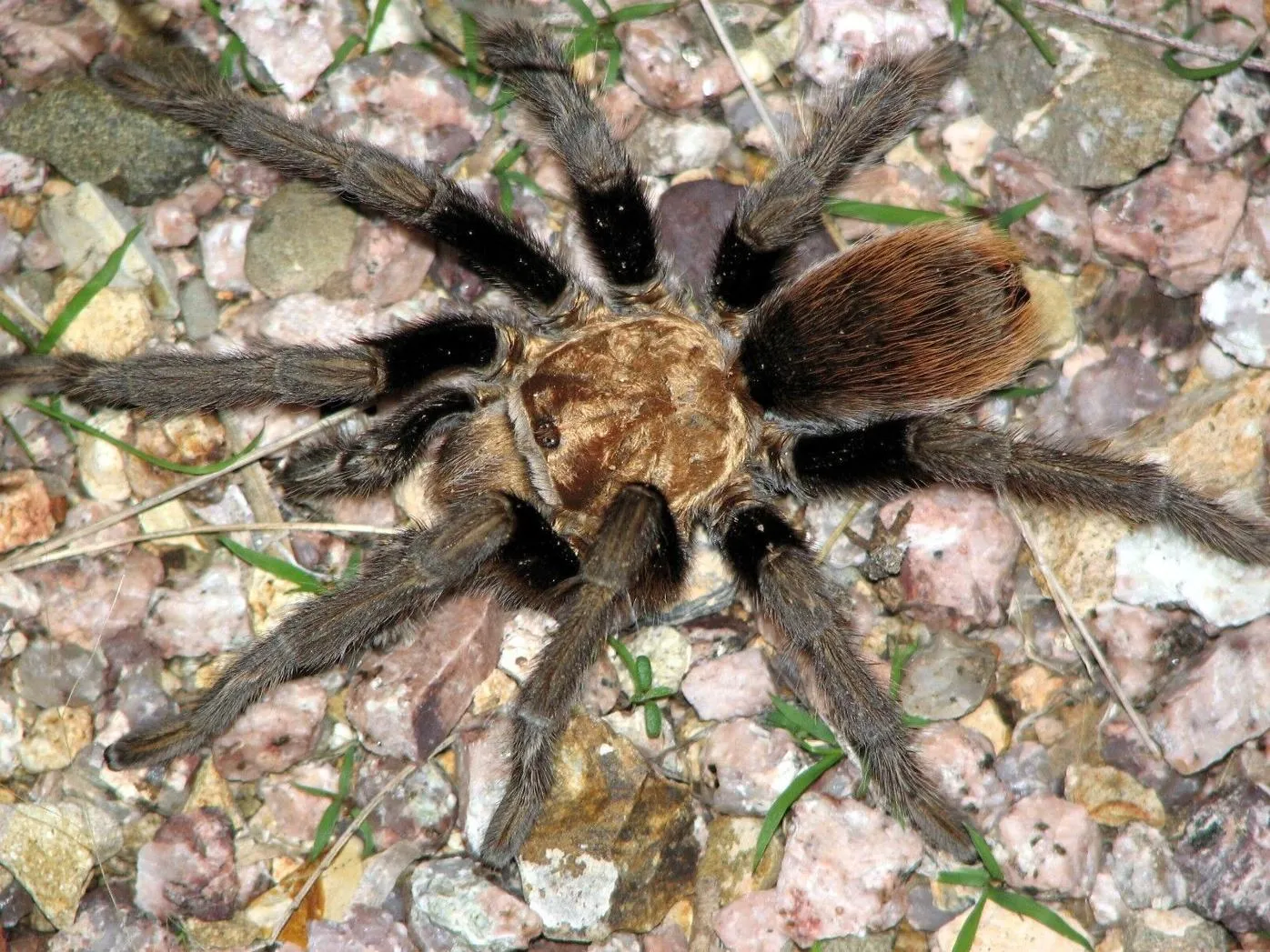
Understanding Arizona Blond Tarantulas
The Arizona Blond Tarantula (Aphonopelma chalcodes) is a fascinating species that captivates arachnid enthusiasts. Native to the southwestern United States, these tarantulas are known for their beautiful coloration and relatively docile temperament, making them popular pets. However, before you bring one home, understanding how to determine its gender is crucial. Sexing a tarantula is important for various reasons, including understanding their potential lifespan, predicting their behavior, and planning for breeding. This guide will explore the key characteristics that differentiate male and female Arizona Blond Tarantulas, providing you with the knowledge to accurately identify their gender.
Introduction to Arizona Blond Tarantulas
Arizona Blond Tarantulas are large, terrestrial spiders, with females often living for over 20 years, while males typically live for 5-10 years. Their coloration is primarily a light brown or tan, hence the name “Blond.” They are generally calm and less prone to biting compared to other tarantula species. Proper identification of their gender is essential for appropriate care, breeding considerations, and understanding their life cycle. This involves careful observation of specific physical features, which become more apparent as the tarantula matures. Learning how to accurately identify their gender is part of responsible tarantula ownership and allows for better care and management.
Why is Sexing Important?

Sexing Arizona Blond Tarantulas is essential for several reasons. The most significant is the lifespan difference. Female tarantulas can live for decades, while males have shorter lifespans, typically only a few years after reaching maturity. Knowing the gender allows owners to prepare for the tarantula’s long-term needs. Additionally, if you plan to breed tarantulas, accurate sexing is a must. You’ll need to identify both a mature male and a female. Furthermore, understanding gender helps anticipate behavioral changes, as males often become more active and restless when seeking a mate. These are all vital reasons to learn how to identify the gender of your Arizona Blond Tarantula.
Top 5 Hints to Determine Gender
Identifying the gender of an Arizona Blond Tarantula requires careful observation. Several physical characteristics can distinguish males from females. The following five hints are the most reliable methods for determining the sex of your tarantula. Remember, the most accurate identification is often achieved by combining multiple methods. When in doubt, consulting with a veterinarian or experienced tarantula keeper can provide additional insights and confirmation. Patience and a keen eye are key to successful sexing.
Hint 1 Examining the Epigastric Furrow
The epigastric furrow, located on the underside of the abdomen, is the first feature to examine. This area can reveal the presence of spermathecae in females. The epigastric furrow is a groove or slit on the underside, between the book lungs. Examining this area under good lighting, preferably with a magnifying glass, will help you identify key differences.
Detailed Explanation of the Epigastric Furrow

The epigastric furrow houses the reproductive organs. In females, it contains the spermathecae, which are storage organs for sperm. These can appear as distinct, darker structures. In males, this area is usually flatter and does not have these prominent features. This area is usually checked by trained professionals using magnifying glasses to observe the details of the area.
How to Observe the Epigastric Furrow
To observe the epigastric furrow, carefully turn the tarantula over, ensuring its safety. Use a flashlight or strong light source to illuminate the underside. With a magnifying glass, look for the presence of spermathecae. Be gentle and avoid stressing the tarantula. If the spider is uncooperative, it is important to exercise patience or consult a specialist for assistance. This method is usually more effective on mature specimens.
Hint 2 Check for Spermathecae
Spermathecae are the most definitive way to determine the sex of a tarantula. These are internal structures found only in females, and they store the sperm received from the male during mating. The presence of spermathecae is a clear indicator of a female. However, this method is not always visible without the aid of a microscope or during a molt examination.
What are Spermathecae?

Spermathecae are specialized structures within the female tarantula’s body. They are responsible for receiving, storing, and using the sperm during reproduction. The shape and appearance of the spermathecae can vary among different tarantula species. They are crucial for the female’s reproductive process, enabling her to fertilize her eggs.
Visualizing Spermathecae
Visualizing spermathecae can be challenging without specialized equipment. During a molt, the shed exoskeleton can reveal these structures. The easiest way to examine the spermathecae is by examining the molt under a bright light with a magnifying glass. This is the most reliable method and offers the best chance of clear identification. Although, some keepers may be able to distinguish spermathecae through the translucent abdomen of a tarantula with a strong light source.
Hint 3 Observing the Pedipalps
Pedipalps are the small appendages located near the mouth of the tarantula. In mature males, the pedipalps have a specialized structure called a bulb, used for mating. The absence of these bulbs typically indicates a female. The bulbs are often visible to the naked eye, especially in mature specimens. The pedipalps themselves are important for sensory functions and the manipulation of food.
The Role of Pedipalps

Pedipalps are the tarantula’s secondary pair of appendages, used for a variety of functions. They are used for feeling, tasting, and manipulating prey. In males, they also have a reproductive role, modified to transfer sperm to the female. The pedipalps are very important to their survival.
Identifying Pedipalp Bulbs
To identify pedipalp bulbs, examine the tips of the pedipalps under magnification. Males have a bulbous structure at the tips, resembling small boxing gloves. These bulbs are absent in females. When the tarantula is mature, these bulbs become more prominent and easier to identify.
Hint 4 Examining the Tibial Hooks
Tibial hooks are another distinctive feature found only in mature male tarantulas. These hooks are located on the first pair of legs and are used to secure the female’s fangs during mating. The presence of tibial hooks is a clear indication of a male. These hooks appear after the final molt.
What are Tibial Hooks?

Tibial hooks are specialized appendages found on the tibia of the male tarantula’s front legs. They are used to hold the female’s fangs during copulation, preventing her from biting him. These hooks are a crucial adaptation for successful mating.
Identifying Tibial Hooks
Tibial hooks are usually quite noticeable on mature males. Examine the first pair of legs for small, hook-like structures. These hooks are absent in females. The hooks typically develop during the final molt to reach sexual maturity.
Hint 5 Molt Examination
Examining the tarantula’s molt is one of the most accurate methods for sex determination. The shed exoskeleton provides a clear view of the reproductive structures. The presence of spermathecae on the molt confirms the tarantula is female. This method is often preferred by experienced keepers.
The Molting Process

Tarantulas molt periodically to shed their exoskeletons and grow. During molting, they shed all external structures, including the lining of their reproductive organs. The molt offers an excellent opportunity to examine the reproductive structures without stressing the spider.
Analyzing the Molt
Carefully examine the inside of the molt. Female tarantulas will show the spermathecae, which appear as distinct structures. Males will lack these structures. Use a magnifying glass and good lighting for accurate assessment. It is best to wait until the molt is completely dry before analyzing it.
Additional Factors and Considerations
While the above hints are the most reliable, there are other factors to consider when sexing your Arizona Blond Tarantula. These include size and appearance, as well as behavioral differences. Combining multiple methods provides the most accurate results. Always handle the tarantula with care and patience. When in doubt, consult with an expert. There may be situations where sexing is difficult or inconclusive.
Size and Appearance

Generally, female Arizona Blond Tarantulas tend to be larger than males. However, size alone is not a reliable indicator. Male tarantulas have a less robust build, but this can be subjective. These differences become more pronounced as they mature. It’s more reliable to look for the specific characteristics mentioned in the previous hints.
Behavioral Differences
As tarantulas mature, males often become more active and may show a tendency to wander in search of a mate. Females are generally more sedentary. However, behavioral differences can be subtle and vary depending on the individual tarantula and its environment. Observing the tarantula’s behavior can offer additional clues, but should not be solely relied upon for sex determination.
Seeking Expert Advice
If you are uncertain about the gender of your Arizona Blond Tarantula, don’t hesitate to seek expert advice. A veterinarian specializing in exotic animals or an experienced tarantula keeper can provide assistance. They can offer a professional assessment and confirm the gender of your tarantula. They may have access to specialized equipment, such as microscopes, to offer accurate sexing.