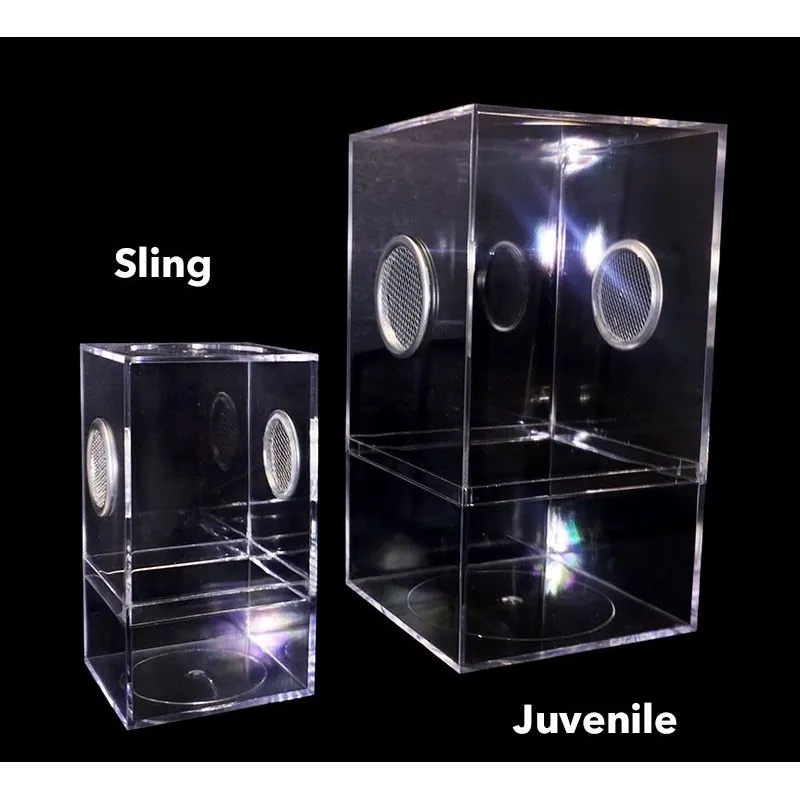
Creating the perfect arboreal tarantula enclosure is crucial for the health and well-being of your eight-legged friend. Unlike terrestrial tarantulas, arboreal species require a vertically oriented habitat that caters to their natural climbing behaviors. This guide provides the top 5 setup tips to ensure your arboreal tarantula thrives in a safe and stimulating environment. From choosing the right enclosure size to understanding the importance of ventilation, this article will provide you with all the necessary information. Proper setup not only supports their physical health but also encourages natural behaviors, leading to a happier and more active tarantula. Let’s delve into the essentials of creating a thriving arboreal tarantula enclosure.
Choosing the Right Arboreal Tarantula Enclosure
Selecting the appropriate enclosure is the first and most critical step in providing a suitable habitat. The enclosure should be tall rather than wide, allowing your tarantula ample vertical space for climbing and exploring. A clear enclosure allows for easy observation, enabling you to monitor your tarantula’s behavior and health. Consider the size of your tarantula when choosing an enclosure; it should be large enough for the tarantula to move around comfortably but not so large that it feels overwhelmed or struggles to find its food. A well-chosen enclosure will not only house your tarantula but also contribute to its overall well-being, making it an essential aspect of responsible tarantula care. Make sure to select a enclosure with a secure lid to prevent escapes and ensure your tarantula’s safety.
Size and Dimensions
The ideal enclosure size depends on the tarantula’s size and species. A good rule of thumb is to provide an enclosure that is at least twice as tall as the tarantula’s leg span. For example, a mature arboreal tarantula with a 6-inch leg span should have an enclosure that is at least 12 inches tall. Width and depth are also important, but height is the priority for arboreal species. As your tarantula grows, you will need to upgrade its enclosure. Always provide enough space for the tarantula to molt comfortably. An enclosure that is too small can impede molting, which is essential for growth and health. Overcrowding can lead to stress and aggression, so choosing the correct size from the beginning is vital.
Ventilation Essentials

Proper ventilation is crucial for maintaining a healthy environment and preventing mold and fungal growth. Arboreal tarantulas thrive in environments with good airflow. Ensure your enclosure has adequate ventilation holes, ideally on the top and sides, to allow for air circulation. Avoid enclosures with only a few small holes, as these may not provide sufficient airflow. Cross-ventilation is ideal, with air entering from one side and exiting from another. Insufficient ventilation can lead to a build-up of humidity and the development of harmful bacteria and fungi. Make sure that the ventilation is secure enough to prevent escape while still allowing for adequate airflow. Regularly inspect ventilation holes for any obstructions and clean them if necessary.
Material Considerations
The material of the enclosure also plays a significant role in its suitability. Glass and acrylic enclosures are popular choices due to their clarity, which allows for easy viewing, and their durability. Acrylic is often preferred over glass because it is lighter and less prone to shattering. Ensure the material is non-toxic and safe for the tarantula. Avoid using enclosures made of materials that can trap heat or are difficult to clean. The lid should be secure and designed to prevent escape. Consider the ease of cleaning when selecting your enclosure material. The ability to quickly and easily clean the enclosure is essential for maintaining a healthy environment for your tarantula, reducing the risk of disease, and making the overall management of your pet easier.
Substrate Selection for Arboreal Tarantulas
The substrate is the bottom layer of your tarantula’s enclosure and serves multiple purposes, including providing a surface to walk on, helping to maintain humidity, and offering a place to burrow. For arboreal tarantulas, the substrate is primarily for humidity regulation and should not be too deep. The best substrate choices are those that retain moisture without becoming waterlogged, which can lead to mold growth and other health issues. Avoid substrates that can be harmful if ingested or that are difficult to clean. Choosing the right substrate will contribute significantly to the overall health and well-being of your arboreal tarantula. The substrate should also be aesthetically pleasing to create a visually appealing habitat.
Substrate Depth and Type

For arboreal tarantulas, a substrate depth of 2–3 inches is usually sufficient. This allows for some moisture retention without creating a humid swamp. Good substrate options include a mix of coconut fiber (coco coir), sphagnum moss, and a bit of peat moss. These materials retain moisture well, are non-toxic, and provide a natural look. Avoid using materials like sand or gravel, which do not retain moisture well and can be difficult to clean. Make sure the substrate is free from pesticides and other chemicals. Ensure the substrate is evenly spread and occasionally misted with water to maintain humidity levels. Regularly check the substrate for any signs of mold or excess moisture and replace it as needed.
Humidity Control Methods
Maintaining the correct humidity levels is critical for the health of your arboreal tarantula, as it impacts their ability to molt properly and prevents dehydration. Humidity levels vary depending on the species, but generally, a humidity range of 60–80% is suitable. You can maintain humidity by misting the enclosure with dechlorinated water, especially the substrate, and ensuring proper ventilation to prevent mold. Use a hygrometer to monitor the humidity levels. In addition to misting, you can also place a water dish in the enclosure. Avoid over-misting, as this can lead to excessive humidity, which is not ideal. Regular monitoring and adjustments are essential to maintain the right humidity levels for your tarantula. Adjust the ventilation and misting frequency as needed to achieve the ideal humidity range.
Decorating Your Arboreal Tarantula Enclosure
Decorating your arboreal tarantula’s enclosure not only enhances its aesthetic appeal but also provides essential enrichment and contributes to the tarantula’s well-being. Arboreal tarantulas thrive in environments that mimic their natural habitats, which include climbing structures and hiding places. The right decorations provide opportunities for the tarantula to engage in natural behaviors, such as climbing, exploring, and hiding, which helps reduce stress and boredom. Proper decorations are also important for the tarantula’s security, providing them with a sense of safety and a place to retreat when feeling threatened. The chosen decorations should be non-toxic, easy to clean, and safe for your tarantula to interact with.
Climbing Structures

Arboreal tarantulas are avid climbers, so providing climbing structures is essential. Use sturdy branches, cork bark, or artificial climbing structures to create a multi-level environment. Arrange the climbing structures to provide various levels and angles for the tarantula to explore. Ensure the structures are stable and will not fall, potentially harming the tarantula. Secure the structures properly to the substrate. Choose branches that are free of pesticides and other harmful chemicals. The climbing structures should also be large enough to support the tarantula’s weight and allow it to move around comfortably. Regularly check for any loose pieces and replace them if needed.
Hiding Places
Hiding places are crucial for a tarantula’s sense of security. Provide a hide, such as a piece of cork bark, a half-log, or a commercially available hide, that is appropriately sized for your tarantula. Place the hide in a secure location within the enclosure. The hide should offer a dark and secluded space where the tarantula can retreat when it feels threatened or wants to molt. Ensure there is enough space around the hide for the tarantula to move around comfortably. The hide should be easy to clean and free of any sharp edges or materials that could harm the tarantula. The hide should be placed strategically to allow the tarantula to easily access it while maintaining a safe and secure environment.
Watering and Feeding
Providing a proper water source and a balanced diet are crucial for your arboreal tarantula’s health and well-being. Water and food are essential for the tarantula’s survival and growth. Proper hydration and nutrition help maintain the tarantula’s overall health, facilitate the molting process, and support its natural behaviors. The type and frequency of feeding depend on the tarantula’s age, size, and species. Regularly provide fresh, clean water and a variety of appropriate foods to ensure your tarantula thrives. The water source should be easily accessible. The food should be free of any harmful chemicals and contaminants.
Water Source and Placement

Always provide a shallow water dish with fresh, clean water. Place the water dish in a secure location where it is accessible but will not be easily knocked over. Ensure the water dish is shallow enough to prevent the tarantula from drowning. Use a non-toxic water dish that is easy to clean and disinfect. Replace the water regularly, at least every other day, to prevent bacteria growth. Some tarantulas prefer to drink from the sides of the enclosure, so misting the enclosure can also be beneficial. The water dish should be appropriately sized for the tarantula and easy for it to access. Regularly check the water dish for any debris or contamination and clean it as needed.
Feeding Strategies
Feed your arboreal tarantula a diet of appropriately sized insects, such as crickets, roaches, or mealworms. The frequency of feeding depends on the tarantula’s size and age, but typically, adult tarantulas are fed once or twice a week, while juveniles may need to be fed more frequently. Offer a variety of insects to ensure a balanced diet. Remove any uneaten insects within 24 hours to prevent them from stressing the tarantula. The insects should be gut-loaded with nutritious foods before being fed to the tarantula. Make sure the insects are free from pesticides and other harmful chemicals. Vary the insects to provide a wider array of nutrients.
Maintenance and Cleaning
Regular maintenance and cleaning are essential for maintaining a healthy environment for your arboreal tarantula and preventing the spread of disease. Regular cleaning reduces the risk of bacteria and mold growth, promotes a healthy environment, and ensures the tarantula’s well-being. Routine cleaning helps in the early detection of any health issues. Establishing a consistent cleaning schedule and following the appropriate procedures will help keep the enclosure clean and safe. Regularly inspect the enclosure for any signs of illness, such as lethargy or loss of appetite. The frequency and method of cleaning depend on the type of enclosure and the species of tarantula. The main steps are spot cleaning and full enclosure cleaning.
Spot Cleaning

Spot cleaning involves removing any uneaten food, shed exoskeletons, and fecal matter. This should be done regularly, ideally every few days, to prevent the build-up of waste and the spread of bacteria. Use a pair of tongs or a long-handled tool to remove the waste. Avoid disturbing the tarantula. Regularly check the enclosure for any signs of mold or mildew. Remove and replace any contaminated substrate immediately. Make sure to wash your hands thoroughly after cleaning the enclosure. Keep the cleaning supplies separate from other household items. Ensure that you are wearing gloves when cleaning the enclosure.
Full Enclosure Cleaning
A full enclosure cleaning should be performed periodically, typically every few months, depending on the size of the enclosure and the amount of waste produced. This involves removing the tarantula (safely placing it in a temporary container), removing all substrate and decorations, and thoroughly cleaning the enclosure with warm water and a mild, non-toxic cleaning solution. Rinse the enclosure thoroughly and allow it to dry completely before replacing the substrate and decorations. Replace the substrate with fresh, clean material. Carefully return the tarantula to its clean habitat. Make sure the temporary container is safe and secure. Ensure that the cleaning solution is safe for your tarantula. Regular maintenance and cleaning are key to creating a healthy habitat for your arboreal tarantula.
In conclusion, setting up the perfect arboreal tarantula enclosure is not just about housing a pet it’s about creating a thriving environment where your tarantula can flourish. By following these 5 setup tips, you can provide your arboreal tarantula with a habitat that mimics its natural environment, supports its well-being, and encourages natural behaviors. Remember to prioritize the enclosure size, ventilation, substrate, and decor to create a stimulating and safe living space for your tarantula. Consistent maintenance, including spot cleaning and full enclosure cleanings, is crucial for maintaining a healthy habitat. With the right care and setup, you can enjoy the fascinating world of arboreal tarantulas for years to come. Happy herping!